
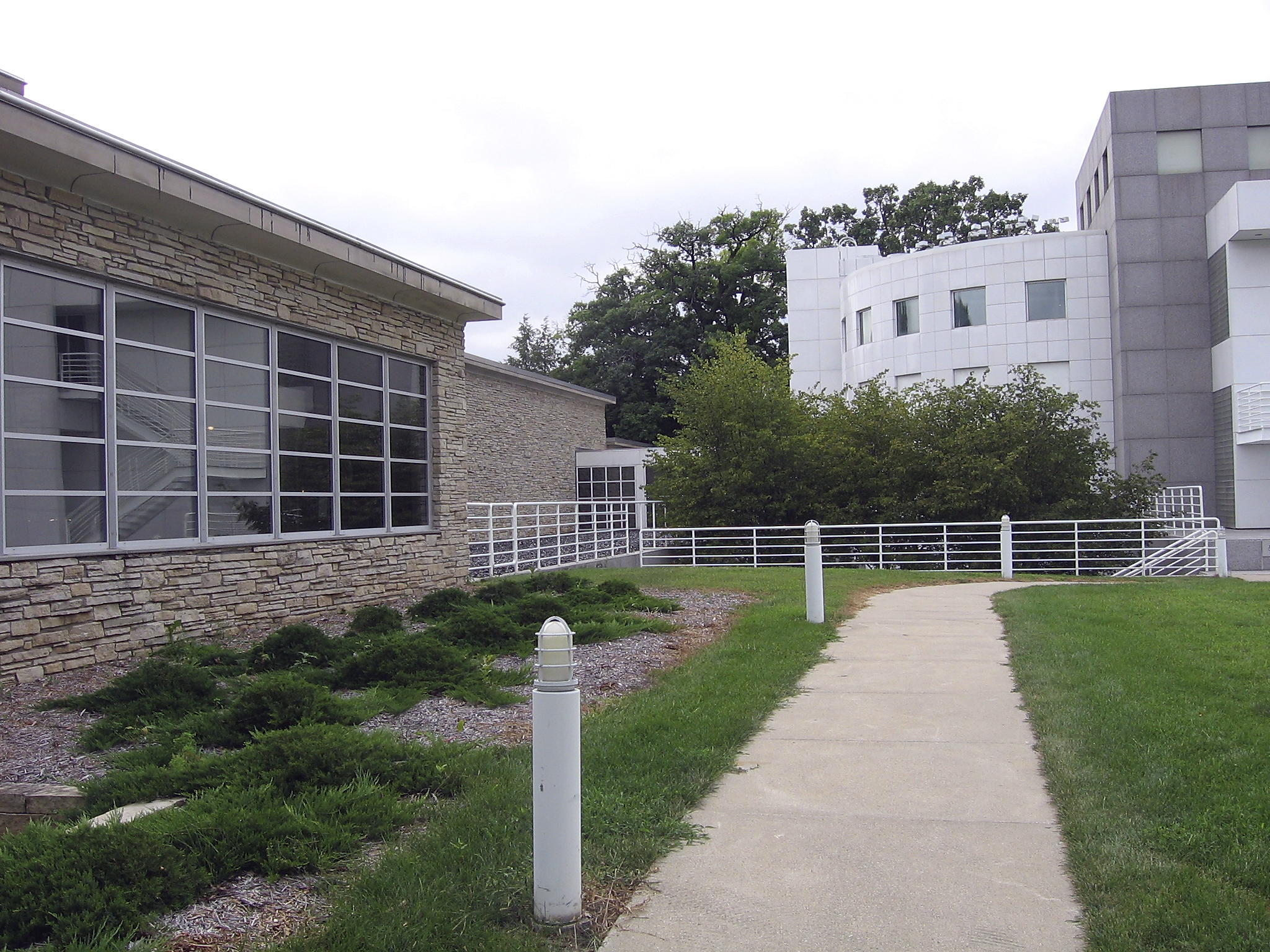
About 50 Axios members got a peek behind the curtain at the Des Moines Art Center last night, when senior curator Laura Burkhalter fielded questions about the collection and its voluminous vault. The museum opened its doors to a small, invited crowd, letting them inspect the institution’s prized holdings while the public gets the usual schedule and the usual limits. Access, as ever, was rationed.
Who Gets In
The Des Moines Art Center is open 10am-4pm Tuesdays and Wednesdays; 10am-7pm Thursdays and Fridays; and 10am-5pm Saturdays and Sundays. Admission is free. That’s the public face of the place. Last night’s event was something else entirely: a curated look for about 50 Axios members, with Laura Burkhalter answering questions about what sits inside the museum’s vault and what the institution chooses to reveal.
The setup says plenty. A museum can call itself open, free, and accessible, while still controlling who gets special access, who gets the behind-the-scenes tour, and who gets to stand closest to the collection’s most celebrated works. The gate stays up. The velvet rope just changes shape.
What They Showed
Burkhalter spotlighted some of the museum’s heavy hitters, including Francis Bacon’s "Study after Velázquez's Portrait of Pope Innocent X" and Edward Hopper’s "Automat." Those names carry the weight of cultural authority, and the museum knows it. The collection’s value isn’t only in the objects themselves, but in the institution’s power to sort, frame, and distribute them to a select audience.
The article doesn’t say what else sits in the vault, only that Burkhalter discussed details about it. That silence matters. Institutions like this don’t just preserve art; they control the terms of access, deciding what the public sees, when they see it, and under what conditions. Even free admission doesn’t erase the hierarchy. It just makes the hierarchy easier to market.
The Public Face, The Private Filter
The Des Moines Art Center’s posted hours are broad enough to sound generous, but they still define the boundaries of participation. Tuesdays and Wednesdays from 10am-4pm. Thursdays and Fridays from 10am-7pm. Saturdays and Sundays from 10am-5pm. Closed, by omission, on Mondays. Open, but on the institution’s schedule. Free, but never uncontrolled.
That’s the arrangement: a public institution with a private logic. A small group gets the insider treatment. Everyone else gets the timetable. The museum’s collection, including Bacon and Hopper, remains under the authority of the center and its staff, with senior curator Laura Burkhalter as the one fielding questions and deciding what the members hear.
The event at the Des Moines Art Center last night was modest on paper. About 50 members. One curator. A vault. Two marquee works. But the structure behind it is bigger than the room. Cultural institutions don’t just display art; they manage access to it, and they do it with the calm confidence of people who know the public will call it enrichment.
Free admission doesn’t change who holds the keys.