
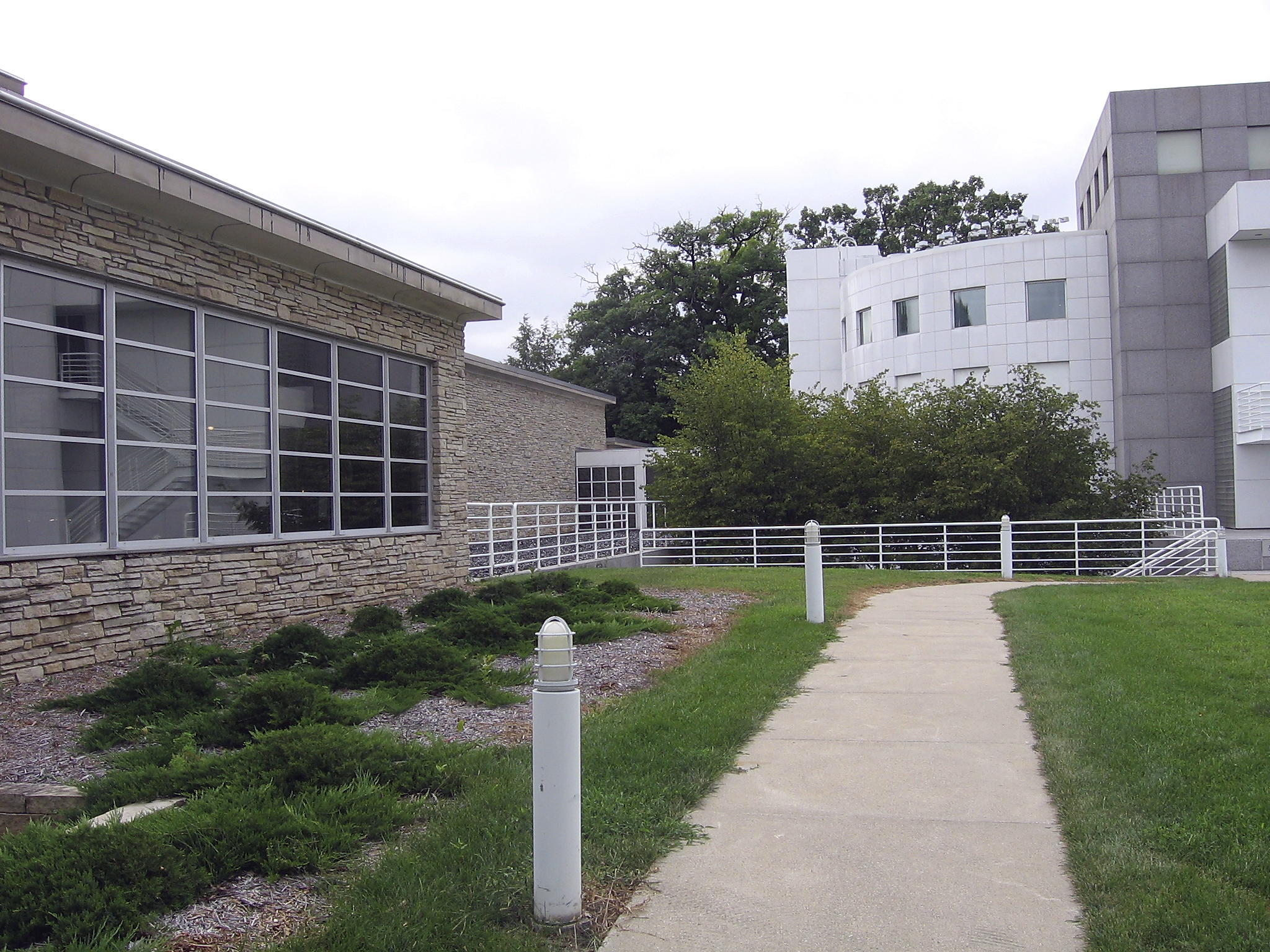
About 50 Axios members got an exclusive look behind the scenes at the Des Moines Art Center last night, where senior curator Laura Burkhalter revealed details about the museum's extensive collection and what's stored in its voluminous vault. The event highlighted how public cultural institutions make world-class art accessible to everyone, regardless of income.
Burkhalter spotlighted some of the museum's most significant works during the tour. These included Francis Bacon's "Study after Velázquez's Portrait of Pope Innocent X" and Edward Hopper's "Automat," masterpieces that would typically require expensive trips to major coastal cities to view.
A Model for Cultural Access
The Des Moines Art Center operates on a model that's increasingly rare in American cultural institutions: completely free admission. The museum opens its doors Tuesdays and Wednesdays from 10am to 4pm, extends hours on Thursdays and Fridays until 7pm, and welcomes visitors Saturdays and Sundays from 10am to 5pm. No one pays a dime to walk through the doors.
This approach stands in stark contrast to many major museums across the country, where admission fees can reach $25 or more per adult. That's money that working families often can't spare for what should be a basic cultural right.
What's in the Vault
Burkhalter fielded questions about the collection during last night's event, including details about works not currently on display. Museums typically show only a fraction of their holdings at any given time, rotating pieces to preserve them and refresh exhibitions. The vault discussion gave members insight into the institution's stewardship of public cultural resources.
The behind-the-scenes access represents exactly the kind of community engagement that strengthens public institutions. When people understand how museums operate and what they contain, they're more likely to support continued public investment in arts and culture.
Why This Matters:
Free admission to world-class art isn't just a nice amenity. It's a question of who gets to participate in cultural life. When museums charge $20 or $30 at the door, they're effectively telling working families that art belongs to people who can afford it. The Des Moines Art Center's model demonstrates that another approach is possible, one where Bacon and Hopper are available to schoolteachers and warehouse workers, not just professionals with disposable income. In an era of growing inequality, institutions that refuse to gate-keep cultural access deserve recognition and support. The vault tour itself shows how public engagement can deepen community connection to shared resources, making the case for continued investment in arts infrastructure that serves everyone.