
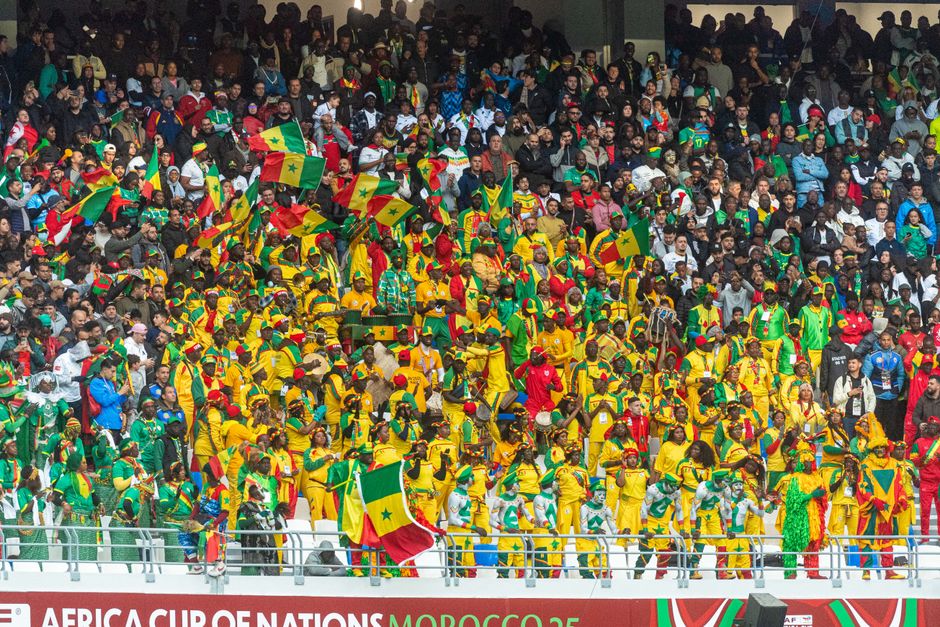
The Court of Arbitration for Sport (CAS) will hear Senegal's appeal over the disputed 2025 Africa Cup of Nations final on October 8 in Lausanne. The case puts a continental governing body's decision under independent review. The Senegalese Football Federation is challenging a Confederation of African Football (CAF) ruling that declared Senegal the loser by forfeit and awarded Morocco a 3-0 victory.
The score on the field told a different story. Senegal beat Morocco 1-0 in extra time. CAF overturned that result after Morocco filed a complaint.
What Happened in Rabat
The dispute began at the final in Rabat on January 18. Morocco received a penalty, prompting Senegal's players to leave the pitch. They stayed away for more than 15 minutes, then returned. Play resumed, and Senegal went on to win in extra time.
That result didn't stand. After Morocco's complaint, CAF reversed the outcome, replacing Senegal's 1-0 win with a 3-0 Moroccan victory. A trophy decided over 120 minutes of football changed hands through an administrative process. Senegal's federation now wants an independent tribunal to review that decision.
How the Hearing Will Work
The hearing will take place behind closed doors and will be conducted in French. A three-member panel, chaired by Frenchman Gérald Simon, will examine the case. Supporters, players and the wider public won't hear the arguments as they're made.
The panel faces a narrow but consequential task. Its ruling will decide whether CAF's decision stands or falls. If it stands, Morocco keep a title awarded by forfeit. If it's overturned, Senegal's result on the pitch returns to the picture.
Who Decides, and How
CAF organized the tournament and ruled on Morocco's complaint. By appealing to CAS, the Senegalese federation takes the case outside that structure, to a panel not run by the confederation whose decision it challenges. The available facts don't say what arguments either side will present; neither federation has detailed its position on the hearing.
The sequence is clear. The teams played to a finish. A complaint followed. Then a governing body changed the outcome. Now, a three-person panel in Lausanne will decide whether that change was valid.
Why This Matters:
The case concerns more than one trophy. When a governing body can reverse a result decided on the field, the appeals process offers the main check available to the federation, players and fans affected. The public won't watch that check at work because the hearing is closed, leaving attention on the panel's ruling and how it explains its decision. For many supporters in Senegal and Morocco, the final carries national weight, and the outcome will shape whether they see sporting institutions as accountable. From a rules-and-oversight perspective, the October 8 hearing tests whether decisions made by powerful organizations can withstand independent scrutiny.