
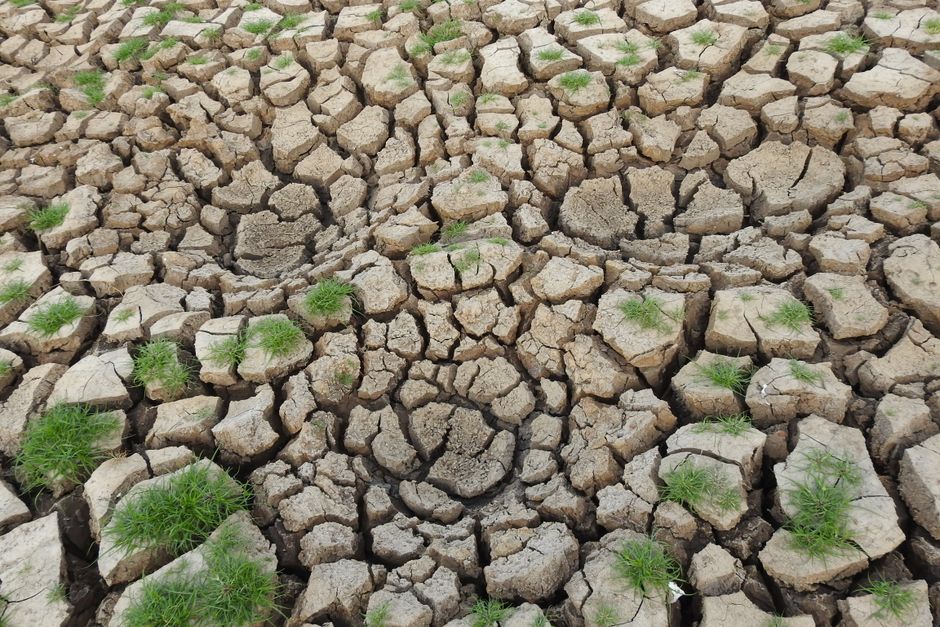
Millions of people across Africa face hunger and displacement as climate change intensifies, exacerbating existing crises of instability and resource scarcity. Failed harvests, shrinking water supplies, and more extreme weather are leaving populations vulnerable. Climate-related disasters affected over 2.5 million people in Madagascar, Malawi, Mozambique, and Zimbabwe five years ago and four years ago alone, highlighting the immediate human cost.
Rising temperatures, changing rainfall patterns, droughts, and floods directly reduce crop and livestock production. This intensifies competition for land and water, a struggle often pitting farmers against pastoralists in regions like the Sahel, west Africa, and the Horn of Africa. Across southern Africa, repeated droughts have caused widespread crop failures, livestock losses, food shortages, and a sharp decline in household incomes.
Climate disasters force people to move, seeking safety and work, which then strains jobs and public services in new areas. Pastoralists, driven by necessity, are altering traditional routes to find water and grazing land, sometimes escalating tensions between communities and across national borders. In places where livelihoods have collapsed and government support is limited, armed groups exploit the anger and hardship of the dispossessed. This pattern is evident in Somalia, Sudan, South Sudan, the Central African Republic, and the Democratic Republic of Congo.
The State's Response: Managing Crisis, Not Root Causes
African governments are developing the Common African Position on Climate, Peace and Security, a continent-wide framework. This initiative, led by the African Union and its member states, aims to help countries manage the ways climate change worsens conflict and insecurity. It proposes a shared governmental approach to peace, security, disaster response, and development.
In February 2026, the African Union Peace and Security Council called for experts from all member states to complete this framework, preferably during the same year. The Council stressed that the position must reflect diverse regional conditions and be developed through broad consultation. However, the framework's proponents acknowledge that mere agreement on paper won't suffice; an implementation plan detailing actions, responsibilities, and progress metrics is deemed necessary.
National governments are urged to integrate climate-related security risks into their development and climate adaptation plans, budgets, early warning systems, and conflict prevention efforts. They should also review existing policies on agriculture, water, land, and disaster management to ensure they reduce, rather than worsen, tensions over scarce resources. Regional organizations are tasked with strengthening cross-border warnings about droughts, floods, and displacement, and coordinating responses. The Intergovernmental Authority on Development in the Horn of Africa has already incorporated climate, peace, and security into its work, securing political support from its member states.
Funding the Management of Contradictions
Funding for these governmental initiatives is expected to come from national budgets. The African Union, alongside "international partners and donors," is expected to direct additional funding toward regions facing severe climate threats and instability. While the Common African Position is still being finalized, no cost estimate has yet been provided. Donors are advised to support priorities set by African countries and bolster existing institutions, rather than creating competing initiatives. This reliance on external capital and state-centric solutions underscores a strategy focused on managing the symptoms of a deeper crisis, rather than confronting the systemic forces that drive climate catastrophe and resource inequality.