
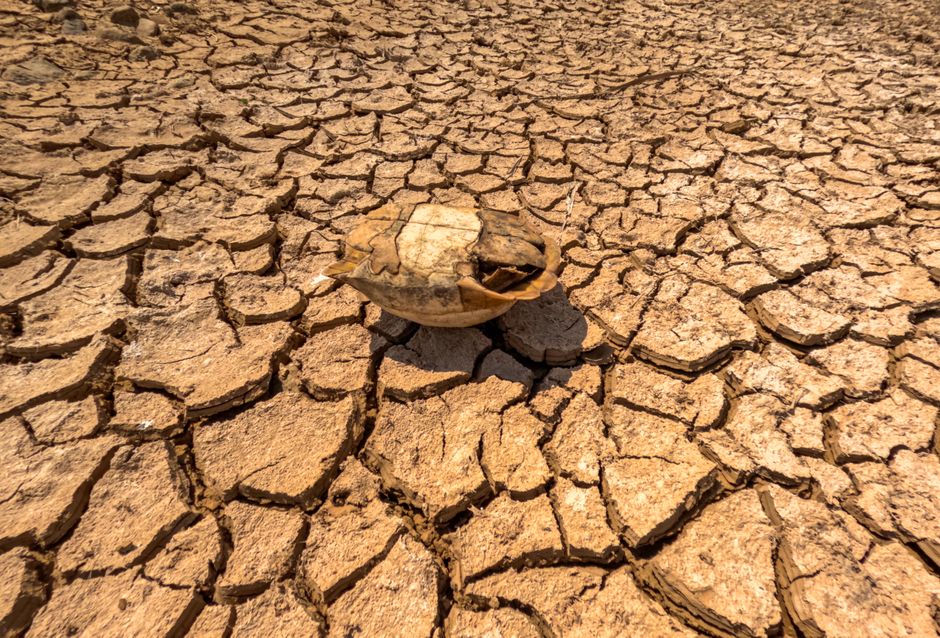
An impending 'super' El Niño threatens to inflict between $10 billion and $20 billion in economic damage across affected African countries, according to the African Development Bank's top climate expert. The stark warning underscores how climate shocks continue to exact their heaviest toll on nations least responsible for global emissions.
The assessment doesn't just measure financial losses. It warns that the extreme weather event could trigger mass migration from the hardest-hit regions, displacing communities already struggling with limited resources and infrastructure.
The Scale of Economic Damage
The projected $10-$20 billion hit represents a staggering burden for African economies, many of which lack the fiscal capacity to absorb such shocks without cutting essential services or accumulating unsustainable debt. This figure comes from the African Development Bank's climate chief, whose institution works directly with governments across the continent to finance development projects and climate adaptation measures.
For context, many African nations spend less than $20 billion annually on their entire national budgets. The upper end of this damage estimate could wipe out years of development gains in the most vulnerable countries.
Migration Pressures Mount
The warning about mass migration reflects a growing reality: climate events don't just damage crops and infrastructure. They displace people. When droughts destroy livelihoods or floods render areas uninhabitable, families move. They're seeking survival, not opportunity.
This pattern has played out repeatedly across the Sahel, the Horn of Africa, and southern regions where previous El Niño events have devastated agricultural communities. The difference now is the scale. A 'super' El Niño carries intensified impacts, and African nations are already managing displacement from conflicts, previous droughts, and economic pressures.
Climate Justice Gap Widens
The African continent contributes less than 4% of global greenhouse gas emissions but faces disproportionate climate impacts. Wealthy nations that built their prosperity through carbon-intensive industrialization have repeatedly promised climate finance to help vulnerable countries adapt and respond to disasters. Those promises remain largely unfulfilled.
The African Development Bank's warning comes as international climate negotiations continue to stumble over financing commitments. African countries need resources not just to respond to disasters after they strike, but to build resilience beforehand through better infrastructure, early warning systems, and social safety nets that can cushion communities when climate shocks hit.
Why This Matters:
This projected economic loss isn't an abstraction. It's $10-$20 billion that won't go toward schools, hospitals, roads, or the basic infrastructure that lifts people out of poverty. It's families forced to leave their homes because the land can no longer support them. It's children pulled from school when harvests fail. The warning from the African Development Bank's climate chief highlights how climate change operates as a massive wealth transfer from the world's poorest to pay for damage caused largely by the world's richest. Without significant international support and adaptation financing, African nations face a choice between responding to immediate climate disasters and investing in long-term development. They shouldn't have to make that choice, but the gap between promised climate finance and delivered resources means they do. The potential for mass migration also carries implications far beyond Africa's borders, affecting regional stability and international migration patterns.