
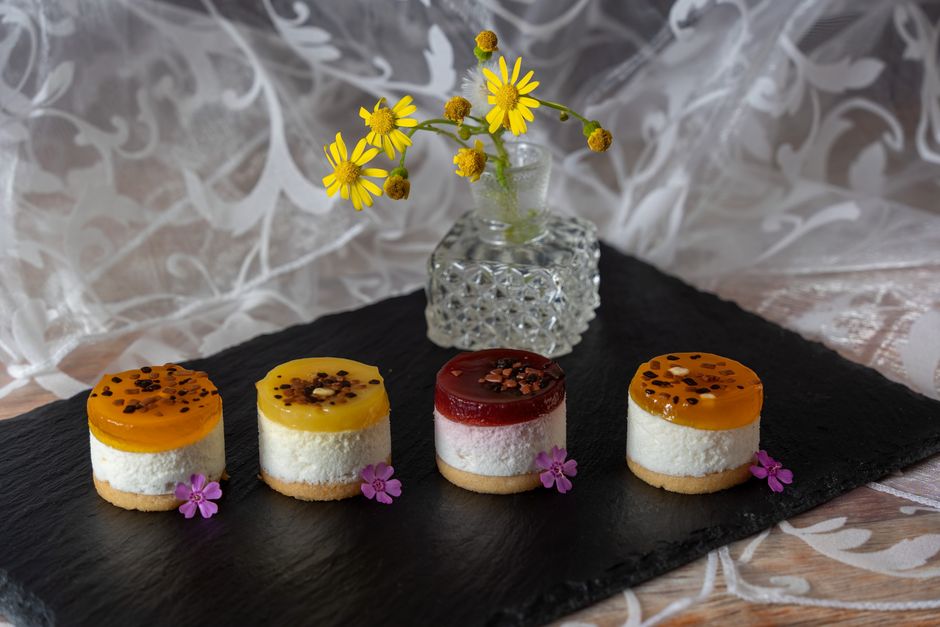
As Jerusalem prepares for the Shavuot holiday this Thursday evening and Friday, a three-hour cheesecake crawl through the city's central neighborhoods offered journalists a taste of how local businesses and immigrant communities have enriched the capital's culinary landscape while preserving centuries-old traditions.
Jamie Geller, a bestselling cookbook author and kosher food influencer who serves as Chief Media and Marketing Officer at Aish, led the tour through seven kosher establishments and bakeries, sampling 14 slices of cheesecake. Geller said she hoped the outing could become a new Jerusalem tradition, comparing the custom to the way many Jerusalemites sample sufganiyot donuts during Hanukkah.
A Tradition Rooted in History
For centuries, many Jewish communities have embraced the tradition of eating dairy foods on Shavuot, with mystical and practical reasons suggested over the ages. As early as the 13th century CE, Rabbi Elazar of Worms, Germany, referred to a custom of beginning the holiday meal with a bit of cheese before cleansing his palate and switching to a meat meal.
In Israel, sales of dairy products rose more than 60 percent in the week before Shavuot last year, according to the Agriculture Ministry. Many Jewish families around the world now observe Shavuot by serving festive meals filled with gourmet cheese platters, cheesy pastas and lasagnas, and desserts such as ice cream, buttery pastries and cheesecake. "Every year at this time, people start calling me asking for my favorite cheesecake tips," Geller said, adding, "It's one of the holiday's most recognizable symbols."
Diverse Styles, Diverse Communities
Geller described different cheesecake varieties that reflect various cultural influences. In Israel, the most popular cheesecakes are baked with soft white cheese, typically 5%-9% fat, along with sugar, cornstarch and eggs, with a crumbly crust and crumbs on top. New York-style cheesecakes are typically much heavier and richer, baked with cream cheese and thick sour cream. No-bake cheesecake never sees the inside of an oven, relies on gelatin or other setting agents instead of eggs, is chilled until firm, usually on top of a cookie or biscuit crust, and tends to be lighter in texture and more refreshing, making it popular in warmer climates like Israel. The Basque cheesecake, also known as San Sebastian cheesecake, is a recent variation originating in Spain, often baked with eggs and flour or cornflour and ideally served with a slightly burnt top. "It's fascinating to see how each of these cheesecake styles are so different," Geller said.
Supporting Local Businesses
The tour began at the Waldorf Astoria Hotel, where the hotel served two Basque cheesecakes drizzled with chocolate and pistachio sauce and three non-baked varieties: chocolate, wild berries, and lemon-passion fruit. The slices cost NIS 62 ($21) each, making them the most expensive items on the tour.
The next stop was Moulin Doré, a French bakery in the Friends of Zion Museum at Rivlin Street 14, which also has another branch on Emek Refaim Street. There, the cheesecake cost NIS 30 ($10) per slice or 190 ($65) for a whole cake, and the flan cost NIS 120 ($41). "French immigrants have really taken over the bakery scene here in Israel. Particularly in the last five years, they have really elevated the culinary scene with their family-owned bake shops, each with its own signature flavor and style. I love how their pastries are so luxurious, decadent and rich," Geller said.
At Napoleon Patisserie at Yo'el Moshe Salomon St 10, the group sampled a slice of cheesecake for NIS 25 ($8.60) and a cheesecake-like pastry called cheese mousse for NIS 42 ($14.50). The cheese mousse was a round cake covered with caramel sauce and was described as delicious, dense and rich, and one of the best of the day. "I'd say this is the closest we've had to a good, heavy New York-style cheesecake," Geller said.
Finding the Winner
At Helen Family Bakers at Agripas 6, a popular bakery that serves only one kind of cheesecake, white with berries and cream on top, for NIS 40 ($14), the group agreed it was the best cheesecake of the day, with perfect texture, sweetness and balance. "I believe we have a winner," Geller said.
The final stops were near the Machane Yehuda Market. Yolo Bakery at Ki'akh 1 offered a creamy cheesecake for NIS 43 ($15) that the group felt tasted too strongly of lemon. Teller Bakery at Agripas 74 served a Basque-style cheesecake with a slightly burnt top and a berry cheesecake, both for NIS 30 each. Marzipan Bakery at Agripas 44, described as world-famous for its soft, chewy rugelach, offered a variety of frozen cheesecakes in different flavors. The group tried a crumb cheesecake at NIS 40 for a family-size cake, which Geller called "the quintessential Israeli cheesecake."
As the tour ended, participants were slow to leave, enjoying their fat and sugar highs. Geller said she was already planning future food crawls and mused, "We can do cholent [a traditional Jewish stew] in the winter, maybe honey cakes before Rosh Hashanah. Enjoying traditional foods together is one of the best ways to get into the holiday spirit."
Why This Matters:
The cheesecake tour highlights how Jerusalem's small business owners and immigrant communities contribute to the city's cultural fabric while preserving religious traditions that date back approximately eight centuries. The wide range of prices—from NIS 25 to NIS 62 per slice—reflects economic diversity in access to holiday celebrations, with family-owned bakeries near Machane Yehuda Market offering more affordable options than luxury hotels. The tour also demonstrates how food traditions create community cohesion and support local economies, particularly for immigrant-owned businesses that have enriched Jerusalem's culinary landscape in recent years. As religious observance increasingly intersects with consumer culture, events like this tour provide accessible ways for diverse communities to engage with tradition while supporting neighborhood businesses that form the economic backbone of the city.