
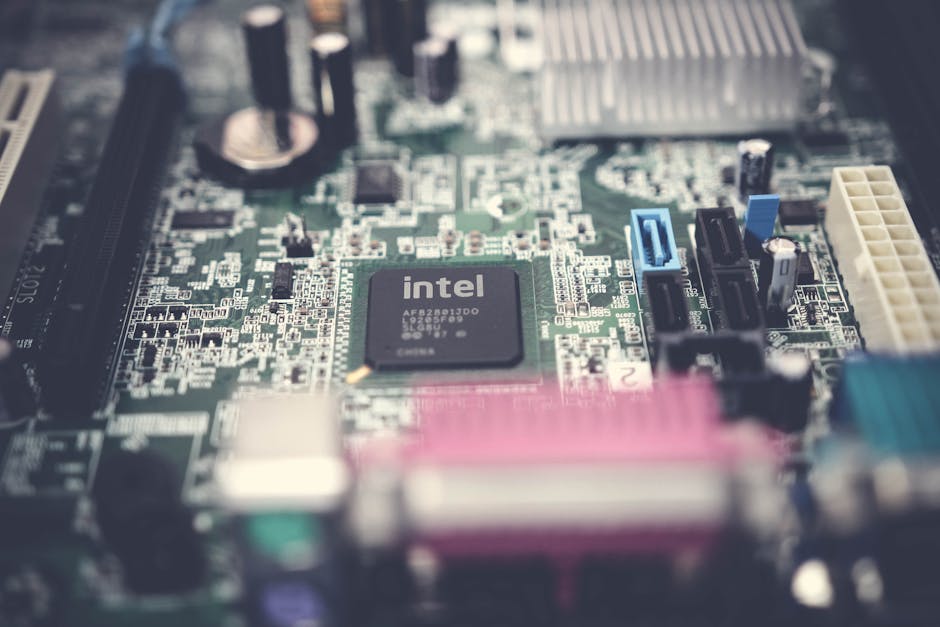
Intel, Micron and Advanced Micro Devices have gained about $2 trillion in combined market cap in the second quarter as investors keep pouring money into semiconductor companies beyond Nvidia, betting that the buildout of AI data centers will benefit a broader group of chipmakers and infrastructure companies. The money moved fast. The gains made the three companies among the most valuable U.S. tech companies, CNBC said, while ordinary people are left watching another round of speculative wealth pile up around the machinery of corporate power.
Who Has the Power
CNBC said the surge reflected growing conviction in the next phase of AI spending. That conviction sits with investors, not the people who will live with the consequences of the buildout. The report said Amazon Web Services is strengthening its presence in forward-deployed engineering, or FDE, as it seeks to better compete with OpenAI and Anthropic, which announced their own FDE units earlier this year. The language is polished, but the structure is plain enough: giant firms are racing to control the next layer of digital infrastructure, and the gains flow upward.
Intel, Micron and Advanced Micro Devices did not gain that combined $2 trillion by accident. Investors kept pouring money into them because they expect the AI data center boom to spread profits beyond Nvidia. That’s the game. Capital chases the next extraction zone, then calls it innovation. The article gives no sign that anyone outside the boardrooms gets a vote in where this money goes or what it’s for.
Who Gets Crushed
China’s consumer outlook was back in focus after Nike posted a 12% sales decline in Greater China sales, even as the country’s factory activity showed signs of improvement. CNBC said China’s manufacturing activity grew faster than expected in June, helped by high-tech production linked to global demand for AI-related products, but that real estate investment and consumer goods production remained under pressure. The people at the bottom don’t get the upside first. They get the pressure.
Goldman Sachs warned that Beijing may face rising pressure to accelerate fiscal spending and government borrowing in the coming months to shore up growth. That’s the familiar script: when growth stumbles, the answer from above is more spending, more borrowing, more management from the state and finance capital. The burden lands somewhere else, as always.
Nike’s 12% sales decline in Greater China sales sits beside the factory numbers like a blunt reminder that consumer demand and industrial output are being measured for the benefit of distant institutions. The report doesn’t describe relief for workers or communities. It describes a system trying to keep itself moving.
What They're Calling Stability
Brent crude posted its biggest monthly decline since March 2020 as investors bet that tensions in the Middle East conflict may continue to ease, with prospects for fresh talks between Iran and the U.S. in Qatar helping push prices lower. The August Brent contract was down roughly 21% in June, while September Brent futures rose around 0.3% in early Asia trade on Wednesday to $73.17 per barrel and U.S. West Texas Intermediate futures added about 0.43% to $69.80. CNBC said mixed signals surrounding the Iran-U.S. peace talks suggested investors were treating the recent détente as fragile.
The market reads war and peace the same way it reads chips and factories: as opportunities, risks, and price movements. The people living through the conflict don’t appear in the trading screens, but their lives still get converted into numbers. Fragile détente, they call it. The traders want certainty. Everyone else gets the bill.
The report also said President Trump’s annual financial disclosure filing, released Tuesday by the U.S. Office of Government Ethics, drew scrutiny after revealing hundreds of millions of dollars in income tied to crypto token proceeds, alongside holdings spanning hundreds of individual company stocks. The filing was released 1 day ago, and the numbers speak for themselves. The office exists to manage the appearance of accountability while the same class of power keeps stacking assets across sectors.
Justina Lee wrote the report from Singapore. The facts she laid out show a world where capital floods into AI infrastructure, state managers are pressed to prop up growth, and oil traders treat conflict like a spreadsheet entry. The machinery keeps humming. The rest of us are expected to call that progress.