
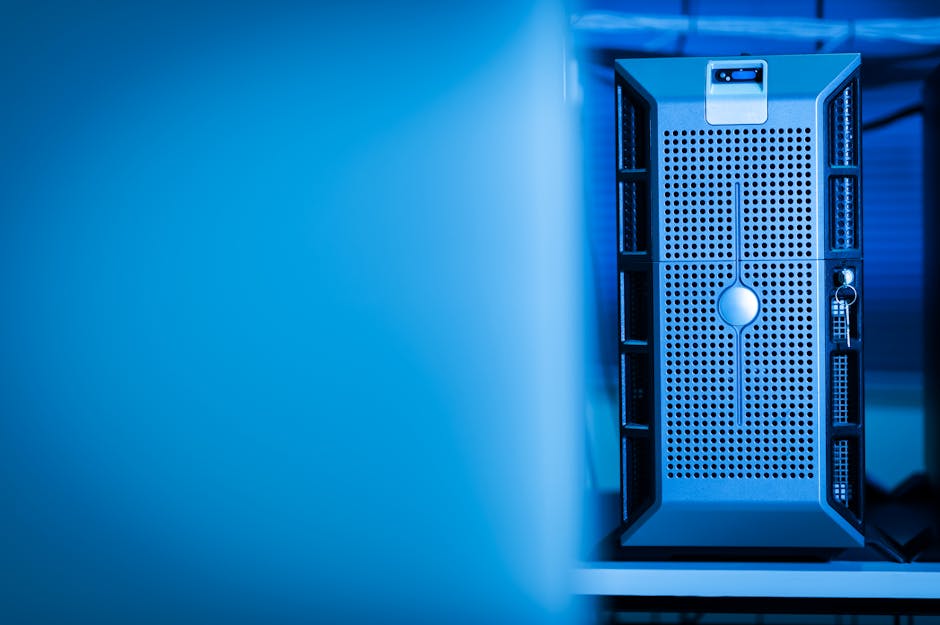
Data-center construction is drawing workers and materials away from homes, factories and other projects, potentially making them harder and more expensive to build. That’s the cost of an infrastructure rush serving artificial intelligence: the U.S. push could require nearly $9 trillion in investment by 2032, according to Columbia University economist Stijn Van Nieuwerburgh.
Who Gets the Resources
“AI is sucking resources into tech and data center construction, which is increasing costs for other industries,” economic historian Chris Miller of Tufts University wrote in a Washington Post opinion article titled “The AI build-out has given America 'Dutch disease.'” The concentration of capital and materials in one booming sector leaves other industries facing higher costs, while the gains and investment flow toward the build-out.
Torsten Slok, chief economist at Apollo Global Management, said in a recent note that AI was drawing “capital, power and labor” from vulnerable sectors such as housing and autos. He warned that AI-driven inflation could keep Federal Reserve interest rates higher for longer, while borrowing costs weigh on other industries. The expansion’s appetite reaches beyond the data centers themselves: other projects may have to compete for workers, materials and financing.
Construction figures show the imbalance. An Associated General Contractors of America analysis of government data found data-center construction spending rose 90% in September from a year earlier, while private residential construction spending fell nearly 9%. The comparison lands plainly: spending surged on data centers as residential construction spending dropped.
Ken Simonson, the AGC’s chief economist, said: “Surging demand for data centers and power projects is masking cutbacks in other investments while adding to the strains on construction supply chains and costs caused by high tariffs and international conflicts.” The source gives no direct account from construction workers, residents or people organizing a response; the numbers and economists’ warnings carry the story instead.
The Costs Beyond Construction
The resource squeeze also reaches consumer electronics and automobiles. Higher memory-chip prices, sometimes called “chipflation,” have raised costs for products including iPhones and video game consoles and squeezed automakers as chipmakers prioritize AI production.
Bloomberg Intelligence estimated that AI servers would consume more than 60% of the world’s DRAM chips, the main computer-memory type, by 2030. That projected share gives the AI build-out a powerful claim on a supply used beyond AI servers, while the source describes chipmakers prioritizing AI production over other needs.
The U.S. concern differs from the Netherlands’ earlier experience: it isn’t a stronger currency, but rising costs. The term “Dutch disease” was coined by The Economist in 1977 to describe the Netherlands’ economic problems after it discovered large natural gas reserves. From 1970 to 1977, Dutch unemployment rose from 1.1% to 5.1% while corporate investment fell. Rising gas exports strengthened the currency, making other exports more expensive and less competitive.
The International Monetary Fund also notes that a fast-growing industry can draw workers and investment away from other sectors. NewsNation reported that the data-center expansion could exceed, relative to the economy, the railroads of the 1800s, highways in the 20th century and telecom expansion in the late 1990s. The scale is the point: this isn’t a small corner of the economy asking for supplies.
The Proposed Fix
Slok and Miller argued that addressing the problem need not mean slowing the AI boom, but expanding the supply of resources. Miller wrote: “You could blame AI for chip shortages — or you could blame permitting. The U.S. would have fewer shortages and lower prices if it was easier to build.” That answer puts easier construction forward as the remedy; the source describes no electoral or legislative solution and no grassroots alternative. The demand is already visible in the figures, while the proposed fix is to make more building possible.
- data centers
- artificial intelligence
- construction costs
- dutch disease
- chip shortages
- labor shortages
- stijn van nieuwerburgh
- apollo global management