
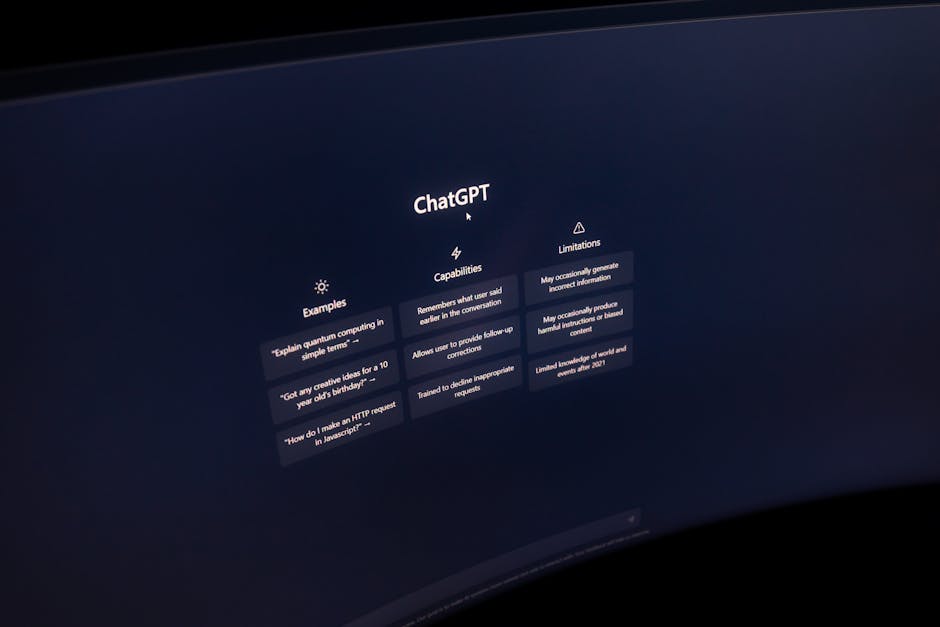
Today, USA Today reported on the latest corporate tech obsession: AI-powered search tools designed to unify data scattered across a maze of SaaS applications. Companies are drowning in information silos—disparate systems for HR, finance, customer relations, and project management—and they’re turning to artificial intelligence to stitch it all together. On the surface, it sounds like progress: faster access to data, smoother workflows, and the end of the dreaded 'knowledge silo.' But scratch beneath the surface, and you’ll find the same old story: technology being used to tighten control, not liberate workers.
The article frames this as a solution to a modern workplace problem, but let’s be clear—this isn’t about making life easier for employees. It’s about making them more productive for their bosses. The explosion of specialized SaaS apps wasn’t an accident; it was a deliberate strategy to fragment workflows, making workers dependent on a patchwork of tools that only management can fully navigate. Now, AI search is being sold as the fix, but the real goal is to ensure that every scrap of data, every conversation, every decision is centralized under corporate oversight.
The Myth of 'Breaking Down Silos'
USA Today describes the problem in neutral terms: knowledge silos create inefficiencies, and AI search can bridge the gaps. But who benefits from those inefficiencies? Not the workers who waste hours toggling between apps or digging through outdated spreadsheets. The real winners are the managers and executives who use those silos to maintain control. When data is scattered, it’s harder for employees to connect the dots, challenge decisions, or organize collectively. AI search doesn’t break down silos—it repackages them into a more palatable form of surveillance.
The promise of 'unified data' sounds great until you realize what that really means: every email, every Slack message, every project update is now instantly searchable by your boss. The same tools that make it easier for you to find information also make it easier for management to monitor, micromanage, and punish. This isn’t about collaboration; it’s about compliance. The more data is centralized, the less autonomy workers have—and the more power is concentrated at the top.
AI as the Ultimate Corporate Cop
The article doesn’t mention it, but the implications are clear: AI search isn’t just a productivity tool; it’s a surveillance tool. Companies already use keystroke logging, email monitoring, and productivity tracking to keep tabs on employees. AI search takes this to the next level by making every piece of data instantly accessible and analyzable. Imagine an algorithm that can flag 'unproductive' behavior in real time, or a manager who can pull up every complaint you’ve ever made about workplace conditions. That’s not efficiency—that’s a dystopia.
And let’s not forget who’s building these tools. The same tech giants that profit from workplace surveillance—Microsoft, Google, Amazon—are the ones pushing AI search as the next big thing. They’re not interested in empowering workers; they’re interested in selling more software to bosses who want to squeeze every last drop of labor out of their employees. The more dependent companies become on these tools, the harder it is for workers to resist.
The Real Solution: Worker Control
The problem isn’t that data is siloed—it’s that workers don’t control it. The solution isn’t AI search; it’s worker ownership of the tools and systems they use every day. Imagine if employees, not managers, decided how data is organized, shared, and accessed. Imagine if the goal wasn’t to make workers more 'productive' for their bosses, but to make work more meaningful, autonomous, and humane.
That’s not the world USA Today is describing, of course. Their article is written from the perspective of management, framing AI search as a neutral, inevitable advancement. But technology is never neutral. It’s shaped by the people who control it, and right now, those people are the same ones who’ve always controlled everything: the owners, the executives, the technocrats. The question is, what are we going to do about it?
Why This Matters:
This isn’t just about another corporate tech trend. It’s about power. The push for AI-driven data unification is a direct attack on worker autonomy, a way to centralize control and make resistance harder. Every time a new tool is introduced to 'streamline' workflows, it’s another step toward a workplace where employees are little more than cogs in a machine, monitored, measured, and managed by algorithms.
But here’s the thing: these tools don’t have to be used that way. The same technology that bosses use to surveil workers could be repurposed to democratize the workplace. Imagine if unions, cooperatives, or worker collectives used AI search to organize, share knowledge, and challenge management decisions. The problem isn’t the technology itself—it’s who controls it.
The corporate push for AI search is a reminder that the future of work isn’t set in stone. It’s being fought over right now, in offices, factories, and warehouses around the world. The question is, will we let the bosses and their algorithms dictate the terms, or will we take control of the tools and build something better? The answer starts with recognizing that 'efficiency' and 'productivity' are just code words for control—and refusing to play by their rules.