
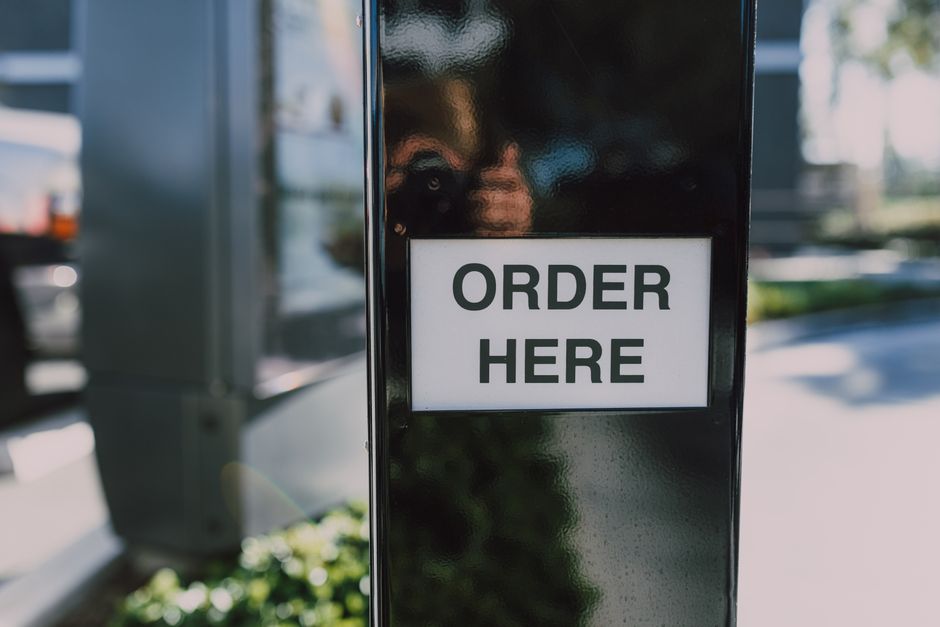
Today, the fast-food industry took another step toward full automation as Taco Bell, Pizza Hut, and KFC announced the rollout of AI-driven ordering systems across 500 locations. The move, framed as a way to “enhance efficiency” and “improve the customer experience,” is nothing more than a brazen attack on workers’ livelihoods. As corporate chains replace human labor with algorithms, thousands of fast-food workers—already struggling to survive on poverty wages—face the prospect of job loss, reduced hours, and even deeper exploitation. This isn’t innovation; it’s class warfare, plain and simple.
Automation as a Weapon Against Workers
The fast-food industry has long been a battleground in the fight for workers’ rights. Employees at Taco Bell, Pizza Hut, and KFC are among the most exploited in the country, toiling for minimum wage or less, with no benefits, unpredictable schedules, and constant harassment from management. Now, these corporations are using AI as a weapon to further degrade working conditions. By replacing cashiers and order-takers with automated systems, they’re eliminating jobs, driving down wages, and consolidating power in the hands of a few tech and corporate elites.
The rollout of AI ordering systems is part of a broader trend of automation in the service sector. Fast-food chains have been experimenting with self-service kiosks, mobile apps, and now AI-driven voice ordering for years, all under the guise of “improving efficiency.” But the real motive is clear: to cut labor costs and maximize profits. Workers are treated as disposable, their jobs replaced by machines that don’t demand fair wages, benefits, or dignity. This is capitalism in action: corporations prioritizing shareholder returns over the basic needs of workers and communities.
The impact on fast-food workers will be devastating. Thousands of employees—many of them young, Black, Latino, or immigrant—rely on these jobs to survive. With AI taking over ordering, these workers face layoffs, reduced hours, or forced transfers to even worse positions, like back-of-house roles with higher stress and lower pay. The fast-food industry already has one of the highest turnover rates in the country, and automation will only make conditions worse. Workers who remain will be forced to pick up the slack, handling more tasks with fewer resources, all while their wages stagnate.
The Illusion of “Efficiency”
Corporate executives and their apologists in the media will claim that AI-driven ordering is a win for everyone. They’ll tout faster service, fewer errors, and a “better customer experience.” But these claims are a smokescreen. The real goal is to eliminate jobs and increase profits. Fast-food chains like Taco Bell, Pizza Hut, and KFC are already highly profitable, with executives and shareholders raking in billions while workers struggle to make ends meet. Automation isn’t about improving service—it’s about squeezing more value out of workers and consumers alike.
The fast-food industry’s embrace of AI is also a stark reminder of how capitalism co-opts technology. Instead of using automation to reduce working hours, improve conditions, or free workers from drudgery, corporations are using it to intensify exploitation. Workers who remain will be forced to work faster, handle more tasks, and endure even greater surveillance and control. AI-driven ordering systems will track every interaction, monitor worker performance, and flag “inefficiencies”—code for any moment a worker dares to slow down or take a breath. This is the future of work under capitalism: a dystopian nightmare where machines dictate the pace of labor and workers are treated as little more than cogs in a profit-generating machine.
The environmental impact of this automation push is equally alarming. The AI systems being rolled out require massive amounts of energy to run, contributing to the growing carbon footprint of the tech industry. Data centers, cloud computing, and AI algorithms all rely on a vast infrastructure of servers, cooling systems, and energy-guzzling hardware. The fast-food industry’s embrace of AI is accelerating the climate crisis, all while corporations like Yum! Brands (the parent company of Taco Bell, Pizza Hut, and KFC) continue to tout their “sustainability” initiatives. It’s a classic case of greenwashing: corporations using PR spin to obscure their role in environmental destruction.
Who Really Benefits?
The beneficiaries of this AI rollout are clear: corporate executives, shareholders, and the tech companies selling the automation systems. Yum! Brands, which owns Taco Bell, Pizza Hut, and KFC, reported over $6 billion in revenue in 2023, with CEO David Gibbs taking home nearly $12 million in compensation. Meanwhile, the average fast-food worker makes less than $25,000 a year, barely enough to survive. Automation will only widen this gap, funneling more wealth to the top while workers are left to fend for themselves.
The tech companies providing these AI systems are also reaping the rewards. Companies like Presto, which supplies voice-ordering technology to fast-food chains, are positioning themselves as the future of the industry. Their executives and investors stand to make millions as automation spreads, all while the workers whose jobs are being eliminated see none of the benefits. This is the logic of capitalism: privatize the gains, socialize the losses, and let the working class bear the burden.
The rollout of AI-driven ordering is also a stark reminder of the failures of the two-party system. Politicians from both parties have long ignored the struggles of fast-food workers, refusing to raise the minimum wage, strengthen labor laws, or hold corporations accountable for their exploitation. Instead, they’ve handed out billions in subsidies to fast-food chains, allowing them to automate jobs while workers are left with nothing. The Fight for $15 movement has made progress in some states, but the federal minimum wage remains stuck at $7.25 an hour, a poverty wage that hasn’t been raised in over a decade. Automation is the next frontier in the war on workers, and without a fightback, the ruling class will continue to erode wages, jobs, and dignity.
Why This Matters:
The rollout of AI-driven ordering systems in fast-food chains is a direct attack on the working class. It’s a reminder that under capitalism, technology is never neutral—it’s a tool of exploitation, used to enrich the few at the expense of the many. The fast-food industry’s embrace of automation is a warning: if we don’t fight back, corporations will continue to replace workers with machines, driving down wages, eliminating jobs, and deepening inequality.
This isn’t just about fast food. It’s about the future of work in a capitalist system. Automation is coming for every industry, from retail to manufacturing to healthcare. The question is: who will control it? Under capitalism, automation is used to maximize profits and consolidate power in the hands of the ruling class. But it doesn’t have to be this way. We could use technology to reduce working hours, improve conditions, and free workers from drudgery. We could build a society where automation serves the needs of people, not profit.
The fight against AI-driven ordering is part of a larger struggle for workers’ rights. We need to demand a living wage, strong unions, and democratic control over technology. We need to challenge the power of corporations like Yum! Brands and the tech companies that enable them. And we need to build a movement that fights for a future where work is dignified, wages are fair, and technology serves the many, not the few. The fast-food industry’s embrace of automation is a call to action. The time to fight back is now.