
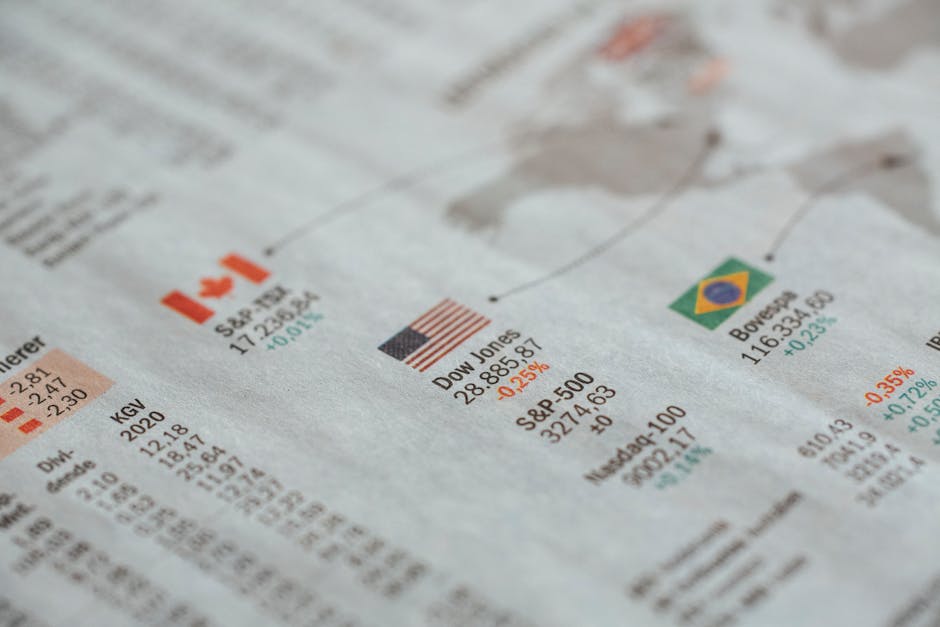
The S&P 500 is projected to see its earnings jump a staggering 25.7% in the second quarter, according to LSEG IBES data. This immense surge in corporate profits comes as investors eagerly monitor the market-leading AI trade, even while a nearly five-month-old U.S.-Israeli war with Iran causes day-to-day market swings. The benchmark S&P 500 index has already climbed 10% in 2026, nearing record highs. Increasing expectations for profit strength this year have provided bedrock support for investor enthusiasm, demonstrating capital's relentless pursuit of returns. Michael Arone, chief investment strategist at State Street Investment Management, acknowledged the public's confusion, stating, "Headlines continue to raise anxiety and leave investors scratching their heads wondering why the market continues to reach new heights." He then clarified the capitalist logic: "And the reason it does is because the fundamentals have been resilient, and the earnings continue to be outstanding."
The Engine of Surplus Extraction
Alphabet, the Google parent, commands Wall Street's attention with its quarterly report due 5 days from today. This corporate giant holds a market value of $4.3 trillion, making it the third-largest U.S. company. As one of the heavyweight "Magnificent Seven" stocks, Alphabet has propelled U.S. equities higher for much of the bull run that has lasted nearly four years. The company operates as an AI "hyperscaler," pouring billions of dollars into building out data centers and AI infrastructure. This massive AI capital spending has been central to this year's market rally, generating immense gains for semiconductor firms and other companies benefiting from these outlays. Kevin Mahn, president and chief investment officer at Hennion & Walsh Asset Management, underscored the fragility of this system, warning that if Alphabet announces "any type of pullbacks with respect to the spending that they're forecasting around AI, you could see ripple effects across the entire AI ecosystem." The Philadelphia SE Semiconductor index is up about 68% in 2026, reflecting this concentrated wealth accumulation. Intel shares have soared over 160%, while Texas Instruments has gained 68% in the same period. Even foreign companies like Samsung Electronics and Taiwan Semiconductor have reported strong results, though market reactions were tepid, indicating the high expectations placed on the semiconductor industry. Major U.S. banks also reported boosted earnings this week, driven by fees from advising on mergers and acquisitions and surging trading revenue. The sector's massive collective weighting in indexes means chip shares can influence the market's direction, with leveraged products tied to the semiconductor space "amplifying on both the upside and the downside," according to State Street's Arone.
War, Inflation, and the State's Hand
Wall Street remains on edge, bracing for developments in the Middle East to cause day-to-day market swings. Investors largely anticipate the U.S.-Israeli war with Iran, now about five months old, to be "relatively short-lived." However, renewed tensions could push energy prices to levels seen at the war's outset, igniting inflation fears for the broader population. This is especially a concern ahead of the Federal Reserve's meeting later this month. Defense contractor RTX is among the more than 80 S&P 500 companies scheduled to report results in the coming week, highlighting how conflict can translate into corporate profit. Pricing in fed funds futures indicates expectations that the U.S. central bank will raise interest rates in the coming months. This action aims to bring down inflation, which currently exceeds the Fed's 2% annual target, primarily serving to stabilize capital markets rather than addressing the underlying economic pressures on workers. Cooler-than-expected data this week on U.S. consumer and producer prices calmed some immediate fears that the Fed could raise rates at this month's meeting. Eric Kuby, chief investment officer at North Star Investment Management, observed that "The macro data has painted a picture of a steady economy with some improvement in inflationary pressure."