
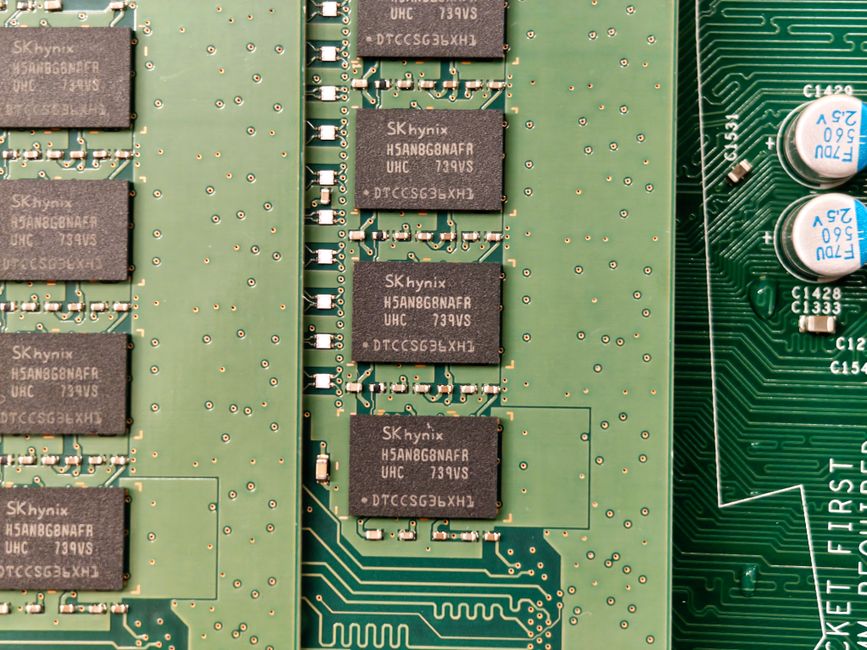
South Korea's semiconductor giants, SK Hynix and Samsung Electronics, saw their stock values skyrocket in Seoul on Friday, marking a massive transfer of wealth to shareholders and investors. SK Hynix closed over 25% higher, poised for its best day on record, while Samsung's shares climbed more than 20%. These gains reflect the ongoing concentration of capital in the hands of the ownership class.
Other South Korean firms also saw significant increases. LG Innotek advanced 11.2%, and Seoul Semiconductor rose 7.8%. This surge followed a sharp rally in U.S. technology stocks, driven by what financial analysts termed "blockbuster earnings" from Amazon and Microsoft, which reignited speculative optimism around artificial intelligence spending.
Capital's Windfall
Japanese chip manufacturers joined the rally, further enriching their owners. Advantest climbed nearly 18%, while Tokyo Electron gained almost 9%. Disco rose over 13%, Lasertec advanced more than 12%, and Renesas Electronics added over 10%. SoftBank Group, a major player in artificial intelligence through its ownership of Arm, also jumped more than 9%, solidifying its position within the global capitalist hierarchy.
This widespread increase in stock valuation marks a sharp reversal from a recent sell-off. Semiconductor stocks had been battered by concerns over inflated AI valuations and intensifying competition, particularly from Chinese memory chipmakers. However, the iShares Semiconductor ETF (SOXX) surged more than 8% overnight, as investors quickly redirected capital back into AI-linked chipmakers following the U.S. tech giants' earnings.
The Engine of Extraction
Amazon's stock jumped more than 9% in extended trading after the company reported second-quarter revenue that surpassed analysts' expectations. This revenue was primarily driven by the continued strength of its cloud-computing business, a sector that extracts significant surplus value through its infrastructure. Microsoft had rallied 16% during Thursday's regular session, reporting faster-than-expected Azure cloud growth, which reinforced investor confidence that AI infrastructure spending remains robust.
Andrew Jackson, head of equity strategy at Ortus Advisors, commented on Microsoft's results, stating they "sparked a huge rebound for risk-on and AI." He noted that investors were reassured after Azure cloud revenue beat expectations while management kept capital spending "in check." This strategy, he wrote on Friday, demonstrates that a "'spend at all costs' mentality has been punished by the market," indicating capital's preference for maximizing immediate returns over long-term investment that might benefit broader society or workers.
Speculation and Control
The market's reaction highlights how capital flows are dictated by the pursuit of profit, with AI serving as the latest frontier for accumulation. The rapid shifts between sell-offs and rallies underscore the speculative nature of this system, where wealth is generated not through productive labor, but through the fluctuating valuations of assets. The focus on keeping "capital spending in check" while profits soar reveals the core mechanism: minimizing costs to maximize returns for shareholders, regardless of the broader economic or social implications.