
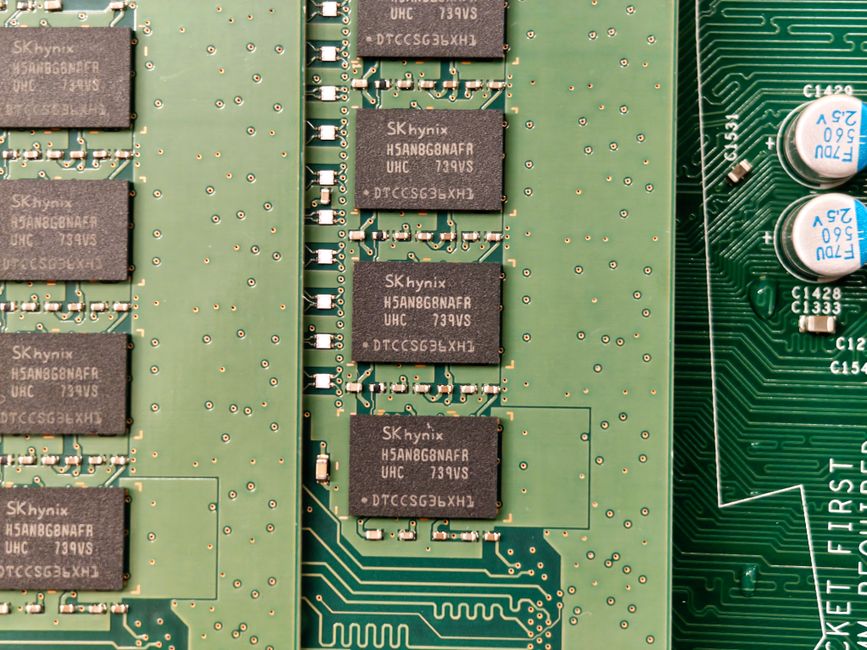
South Korea's semiconductor giants SK Hynix and Samsung Electronics surged more than 20% on Friday, riding a wave of investor enthusiasm sparked by strong cloud earnings from Amazon and Microsoft. SK Hynix climbed over 25%, positioning itself for its best trading day on record. The rally swept across Asia's chip sector—Japanese firms Advantest jumped nearly 18%, while Tokyo Electron, Disco, and Lasertec all gained between 9% and 13%.
The rebound marks a dramatic reversal from earlier this week. Just days ago, semiconductor stocks had taken a beating as investors worried about inflated artificial intelligence valuations and mounting competition from Chinese memory chipmakers. The iShares Semiconductor ETF (SOXX) surged more than 8% overnight as money poured back into AI-linked chip manufacturers.
The catalyst came from earnings reports released Thursday. Microsoft reported faster-than-expected Azure cloud growth, while Amazon beat revenue expectations with strong cloud-computing results. Both companies kept investors' confidence alive that artificial intelligence infrastructure spending will remain substantial—a crucial signal for the chipmakers who supply the servers and processors powering these systems.
The Spending Question
Andrew Jackson, head of equity strategy at Ortus Advisors, noted that Microsoft's results "sparked a huge rebound for risk-on and AI." But he highlighted something important: investors rewarded the company partly because management kept capital spending "in check." Jackson wrote that a "'spend at all costs' mentality has been punished by the market."
That observation cuts to the heart of what's happening in tech markets right now. For months, companies have poured enormous sums into AI infrastructure with uncertain returns. The market's enthusiasm depends not just on whether AI is real—but on whether corporations will spend responsibly on it. When Microsoft and Amazon demonstrated they're balancing aggressive investment with fiscal discipline, it reassured investors who'd grown nervous about runaway capital expenditures.
Who Gains, Who Doesn't
The rally benefited chipmakers across the region. Samsung rose over 20%. LG Innotek advanced 11.2%. Seoul Semiconductor climbed 7.8%. SoftBank Group, which owns Arm and serves as a key AI proxy, jumped more than 9%. Renesas Electronics added over 10%.
Yet the volatility itself tells a story about concentration and risk. These companies—and the global supply chains they anchor—depend heavily on a handful of American tech giants making the right bets on artificial intelligence. When confidence wavers, entire sectors swing wildly. When two companies report strong results, billions in market value get redistributed in hours.
The semiconductor industry remains central to any serious artificial intelligence strategy. Chips are the physical foundation of AI systems. But the feast-or-famine pattern of recent weeks suggests that confidence in this sector remains fragile, dependent on quarterly earnings announcements from a small number of technology firms rather than on stable, long-term demand signals.
Why This Matters:
The semiconductor rally reflects how concentrated power has become in the technology sector. A handful of American cloud companies make spending decisions that instantly ripple across global supply chains, affecting Korean, Japanese, and other manufacturers. Workers, communities, and economies tied to chip production face boom-and-bust cycles driven by quarterly earnings and investor sentiment rather than stable industrial policy. The volatility also raises questions about whether current AI investment levels are sustainable or whether markets are pricing in unrealistic expectations. When capital spending discipline gets rewarded more than growth itself, it suggests investors worry the infrastructure buildout may have gotten ahead of actual demand. For workers and communities dependent on semiconductor manufacturing, these swings create genuine uncertainty about employment and investment.