
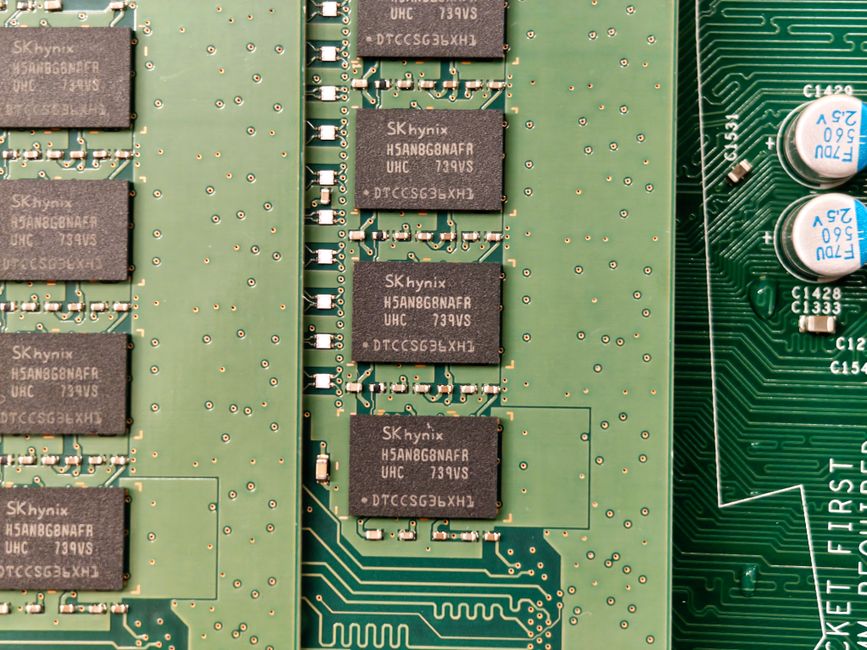
South Korea's semiconductor giants SK Hynix and Samsung Electronics delivered stunning gains on Friday, tracking a sharp rally in U.S. technology stocks after blockbuster earnings from Amazon and Microsoft revived confidence in artificial intelligence infrastructure spending. SK Hynix was trading over 25% higher, positioning itself for its best day on record if gains hold through the close. Samsung rose more than 20%.
The reversal came swiftly. Just days earlier, semiconductor stocks had taken a beating from concerns over lofty AI valuations and intensifying competition from Chinese memory chipmakers. The iShares Semiconductor ETF (SOXX) surged more than 8% overnight as investors piled back into AI-linked chipmakers following stronger-than-expected cloud results from the two U.S. tech giants.
The Earnings Catalyst
Amazon jumped more than 9% in extended trading after reporting second-quarter revenue that beat analysts' expectations, driven by continued strength in its cloud-computing business. Microsoft had rallied 16% during Thursday's regular session after reporting faster-than-expected Azure cloud growth, reinforcing confidence that AI infrastructure spending remains robust.
Andrew Jackson, head of equity strategy at Ortus Advisors, said Microsoft's stronger-than-expected quarterly results "sparked a huge rebound for risk-on and AI," helping reverse the recent sell-off in technology stocks. He noted a critical detail: investors were reassured after Azure cloud revenue beat expectations while management kept capital spending "in check." Jackson highlighted that a "'spend at all costs' mentality has been punished by the market."
That's the kind of market discipline that matters. Companies showing they can deploy capital efficiently—not just throw money at growth—are winning investor confidence. It's a reminder that markets reward fiscal responsibility, not reckless expansion.
Asian Semiconductor Strength
The gains weren't limited to South Korea. Japanese chip stocks rallied sharply. Advantest climbed nearly 18%, while Tokyo Electron gained almost 9%. Disco rose over 13%, Lasertec advanced more than 12%, and Renesas Electronics added over 10%. SoftBank Group, a key artificial intelligence proxy as its owns Arm, also jumped more than 9%.
LG Innotek advanced 11.2% and Seoul Semiconductor rose 7.8%, rounding out a broad rally across the semiconductor ecosystem. The move reflects how dependent global supply chains remain on these manufacturers and how quickly sentiment can shift when earnings data proves the underlying business case for AI infrastructure remains solid.
The week's earlier sell-off had raised legitimate questions about whether valuations had gotten ahead of fundamentals. But Amazon and Microsoft's results suggest the infrastructure buildout is real, not speculative. Companies are actually spending money on AI capabilities, and they're seeing returns that justify the investment.
Why This Matters:
This rally demonstrates how markets self-correct when new information arrives. The sell-off earlier in the week reflected rational skepticism about valuations and competitive threats. The rebound on Friday reflects rational confidence that earnings growth can support those valuations—at least for companies managing capital discipline. For investors, it's a reminder that semiconductor stocks tied to genuine infrastructure spending have fundamentals worth watching. For policymakers, it's evidence that private markets are efficiently allocating capital to AI development without requiring government intervention or subsidies. The market identified a problem, repriced risk, and moved on once earnings data restored confidence. That's how competitive markets work.