
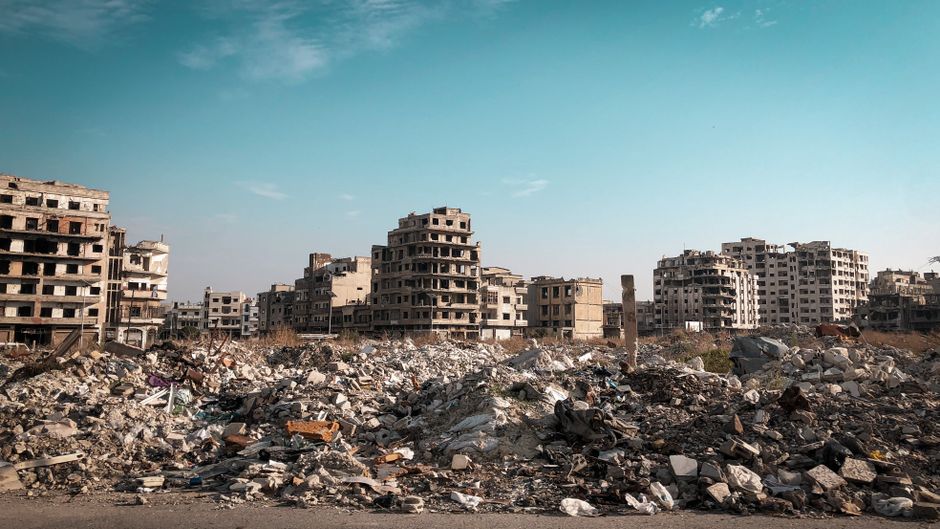
Americans anticipate further instability in the Middle East as the war in Iran continues, a Reuters Ipsos poll reveals. This public sentiment reflects the human cost of prolonged military engagements, where working families bear the brunt of geopolitical maneuvers. The poll, while not detailing specific numerical findings, points to a widespread recognition of the systemic chaos generated by ongoing conflict.
The "war in Iran" isn't an isolated event; it's a continuation of a long-standing imperial strategy. Western foreign policy consistently projects military and economic power to secure resources, open markets, and establish compliant governments for transnational corporations. This relentless pursuit of capital accumulation abroad inevitably creates instability, which then ripples back to impact the lives of ordinary people at home. They're the ones who face economic disruptions, the threat of conscription, and the psychological toll of perpetual conflict.
The Cost of Imperial Ambition
The "chaos" Americans brace for isn't accidental. It's the predictable outcome when state power is deployed to protect and expand the interests of capital. Every military deployment, every arms contract, every destabilized region serves to reconfigure global markets in favor of dominant economic powers. The working class, both in the imperial core and the targeted nations, pays the price in blood and treasure. They don't profit from these ventures; they merely endure their consequences.
This ongoing conflict in Iran, like others before it, drains public resources that could otherwise address pressing domestic needs. Instead, those resources are funneled into military-industrial complexes, ensuring continued profits for a select few. The public's apprehension, as captured by the Reuters Ipsos poll, underscores a deep-seated unease with a foreign policy that prioritizes corporate gain over human well-being. It's a recognition that the "chaos" isn't just happening "over there"; it's a direct product of decisions made by those who benefit from war.
Capital's Endless War
The very phrase "war in Iran drags on" speaks volumes about the nature of modern conflict. These aren't wars with clear objectives or swift resolutions for the benefit of the populace. They are often protracted engagements designed to maintain a state of profitable instability, securing access to strategic resources and geopolitical leverage. The lack of detailed poll findings, as noted by Reuters Ipsos, itself reflects how public opinion on such matters is often presented without the full context of its depth or implications. This allows the architects of these policies to continue their work largely unchallenged by specific public mandates.
Transnational corporations thrive in environments where their access to resources and markets is guaranteed, often through military force. The "war in Iran" serves this function, ensuring that the flow of oil, gas, and other commodities remains under the control of powerful corporate entities. This isn't about national security for the working class; it's about securing profit margins for the ruling class. The state acts as the primary enforcer of this economic order, using its military might to project power and suppress any challenges to the existing distribution of wealth.
The State's Role in Perpetuating Conflict
The state, far from being a neutral arbiter, functions as the primary instrument for protecting accumulated wealth and suppressing organized challenges to the existing distribution of power. Its laws, courts, police, and military are all geared towards this end. The prosecution of the war in Iran exemplifies this role. It's a state-sanctioned operation that, regardless of its stated aims, ultimately serves to reinforce the global economic hierarchy. The public's "bracing for more chaos" is a testament to their lived experience of this reality. They understand, perhaps instinctively, that the state's actions in foreign lands have direct, often negative, repercussions on their daily lives. The cycle of conflict and instability continues, not by accident, but by design, ensuring the continuous upward concentration of wealth.