
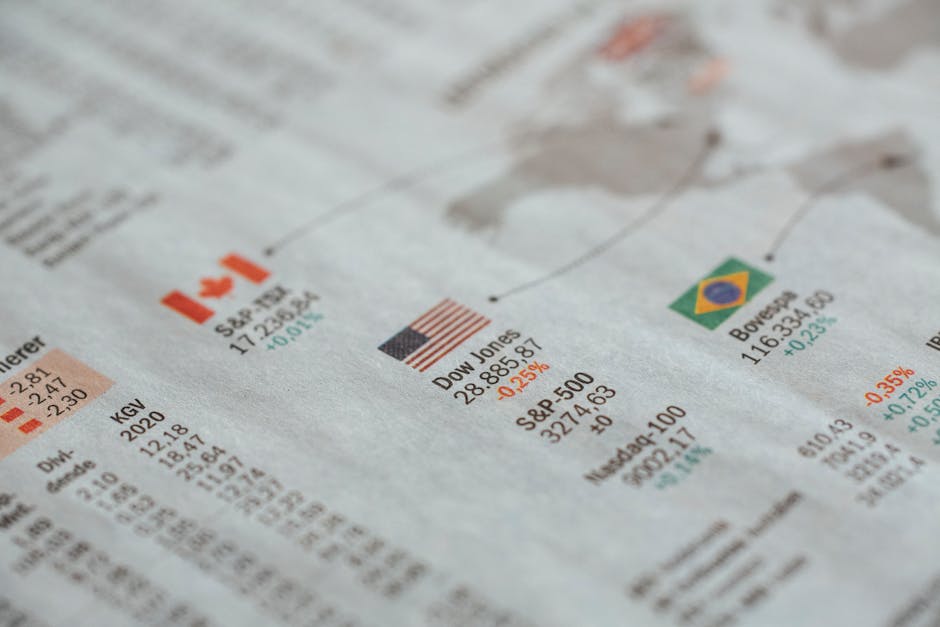
The S&P 500 stock index has surged roughly 130% since the start of 2020, reaching an all-time high last week. On the same day, the University of Michigan Surveys of Consumers reported that U.S. consumer sentiment hit all-time lows in May 2026, tumbling 52% since the start of 2020. This stark divergence highlights the ongoing concentration of wealth at the top while the working class faces deepening economic hardship.
Americans remain pessimistic about the economy, with consumer sentiment failing to regain confidence since the Covid pandemic struck more than six years ago. Economists note that households may not feel financially better off for some time, scarred by years of rapid price increases.
Who Profits, Who Pays
While the annual inflation rate cools, shoppers have focused on the cumulative change in prices over the past several years. Cleveland Fed President Beth Hammack stated that from this vantage point, there has been about a decade's worth of inflation in half the time. Economic commentator Kyla Scanlon observed that "People are starting to hear that inflation is going down, but their box of cereal is still really expensive," adding, "That feels really, really bad."
High prices are identified by PNC Financial Services as the primary cause of the decline in consumer sentiment between 2019 and 2026. The bank's analysis indicates that sticker shock explains why economic conditions and consumer sentiment have diverged in recent years. The share of Michigan survey respondents blaming price growth for their sour outlook spiked after the pandemic began in 2020, and Google searches for "inflation" hit all-time highs earlier this year.
Despite the record-low sentiment, consumers have continued to spend, enabling continued surplus extraction by corporations. Uber and Walt Disney reported strong customer spending last week, defying fears that shoppers would tighten their purse strings. Gregory Daco, chief economist at EY-Parthenon, noted that "The traditional correlation between sentiment and spending has largely broken down," suggesting a new phase where worker hardship does not immediately translate into reduced corporate profits.
The State's Role in Crisis
Economists attribute the lack of confidence rebound to a relentless series of economic disruptions, including Covid, ongoing wars, and President Donald Trump's tariffs. Yelena Shulyatyeva, senior economist at the Conference Board, described it as "a series of shocks," stating, "Consumers don't get a break." Eric Winograd, chief economist at AllianceBernstein, an alumnus of the New York Federal Reserve Bank, found the sequence of these events "extremely unusual."
Geopolitical conflicts, such as the Iran war, directly impact the cost of living for the working class. Oil prices remain above $100 a barrel in the wake of this conflict, driving the national average price for a gallon of gasoline past $4 in May 2026. A 2022 AAA survey found that a majority of Americans implement lifestyle changes when gas prices reach this level. Gasbuddy reported its daily active user base nearly doubled in March 2026 as the war intensified.
This economic pressure translates into reduced demand for other goods. Whirlpool reported a "recession-level" decline in appliance demand last week, directly attributing it to cratering consumer confidence owing to the Middle East conflict. McDonald's CEO Chris Kempczinski warned analysts that customer spending could take a hit as rising gas prices pressure household budgets.
Managing Contradictions
Monetary policymakers, such as Cleveland Fed President Beth Hammack, track inflation over a 12-month timeframe, by which measure price growth is closer to the Federal Reserve's 2% target. However, this official metric fails to account for the cumulative burden on workers. Brian LeBlanc, PNC's senior economist, observed, "No one cared about inflation until it became a problem," and added, "Now, it's something that everybody in the country is thinking about."
Even with these uncertainties and gloomy views, economists like AllianceBernstein's Winograd assert that American consumers, who are responsible for roughly two-thirds of all economic activity, are unlikely to crack. Winograd stated, "It's a foolish man who bets against the U.S. consumer," concluding, "The base case has to be that the consumer continues to plug along." This perspective frames the ongoing endurance of the working class as a given, rather than a consequence of systemic pressures.