
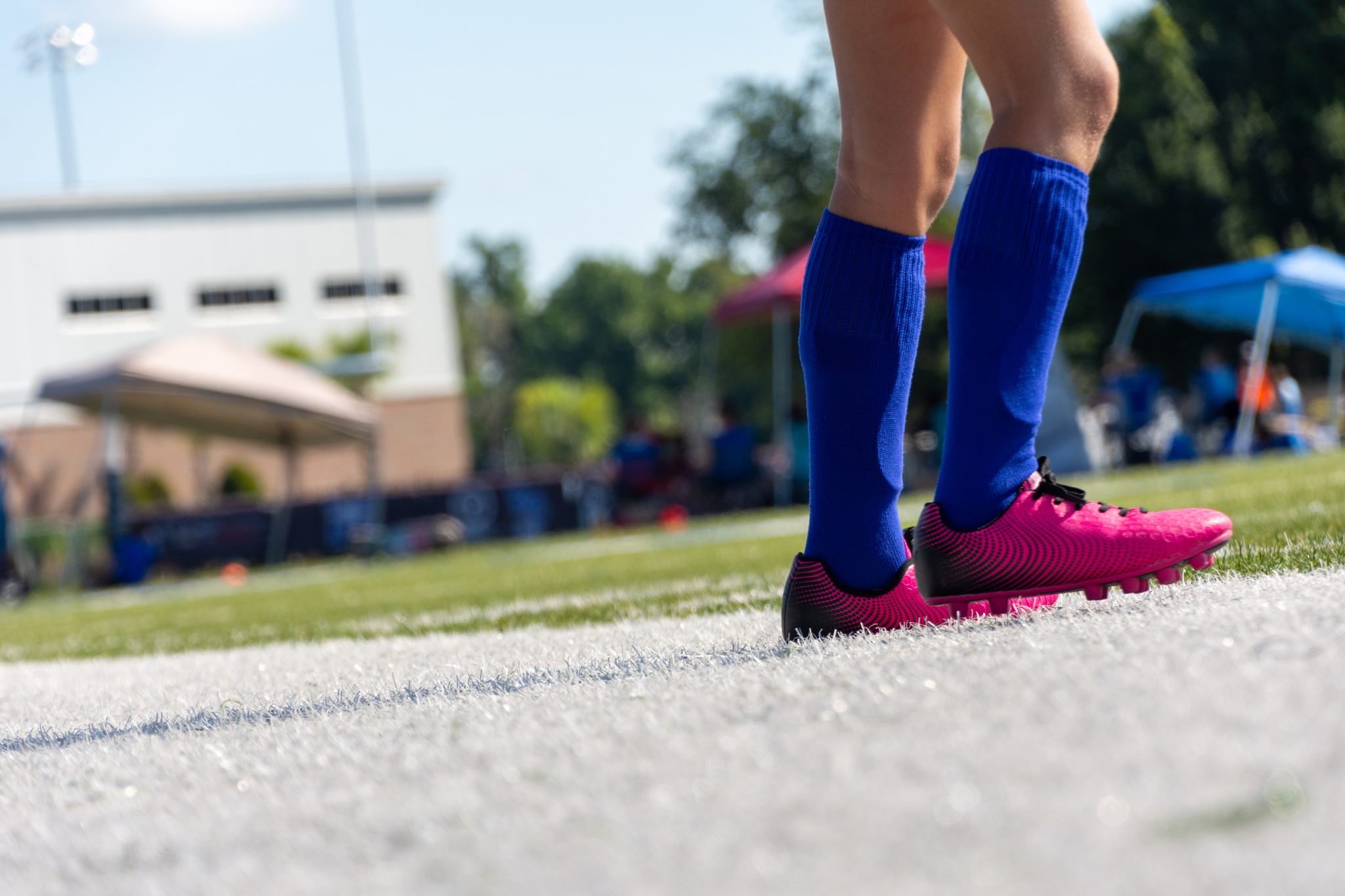
Pink boots have become a prominent visual trend at the World Cup taking place in the U.S., Canada and Mexico, with dozens of players wearing them on soccer’s biggest stage. The color has stood out against the green grass of the pitch after multiple shoe companies produced pink boots ahead of the tournament with an eye on performance as well as visibility.
Who Gets Seen, Who Gets Sold To
The spectacle on the field is not just about style. It is also a showcase for the shoe companies that turned the tournament into a moving billboard. Nike, Adidas, Puma, Skechers and New Balance all produced pink boots for the tournament, pushing the same bright color across the sport’s biggest stage. Dozens of players wearing them made the trend impossible to miss, and the color’s visibility was part of the point.
Nike Director of Global Footwear Odinga Nimako said, “Athletes associate this color with confidence and standing out, and that resonates.” Nimako said Nike’s silver, yellow and blue boots at the 1998 World Cup changed how people saw boots in the sport, when black and white had been the standard. The company’s own history is presented as a kind of market conquest: first the boots, then the perception, then the sales.
The Players and the Brands
The names attached to the boots are the names the tournament sells. Mbappé and Vinícius wear Nike; Cristiano Ronaldo and Erling Haaland also wear Nike. Reyna, Jude Bellingham, Declan Rice, Jonathan David, Lamine Yamal and Ousmane Dembélé wear Adidas. Neymar Jr. is expected to wear Puma pink when he plays for Brazil, as is Weston McKennie. Timothy Weah is among those in New Balance. Kane and Anthony Elanga are wearing Skechers.
The article notes that Gio Reyna scored an iconic goal to kick off the World Cup for the U.S. Vinícius Junior scored in Brazil’s opener. Kylian Mbappé scored twice to become France’s career goals leader. Harry Kane scored twice to tie England’s mark. Those moments of athletic achievement are also moments of brand exposure, with the boots and the players fused into the same televised image.
Skechers Director of Technical Performance Alex Bardini said the company’s inspiration came from its headquarters in southern California. Bardini said, “The colorways reflect the breathtaking palette of an L.A. sunset: warm shades of pink and purple melting into white, with subtle tinges of orange.” The language is pure corporate poetry, turning a product into a mood and a headquarters into a source of aesthetic authority.
What the Executives Call Performance
When Sweden beat Tunisia 5-0 in Monterrey, Mexico, three goals came from players in pink boots: two by Yasin Ayari and one in the 84th minute by Mattias Svanberg. The article says pink itself does not make players perform any better, but shoe company executives consider it a mindset. That is the familiar trick: sell the feeling, wrap it in engineering, and let the market do the rest.
Bardini said comfort and performance are at the core of what Skechers does, and Nimako said Nike wants players to feel more aerodynamic. Nimako said, “That feeling is holistic,” and added, “It’s the engineering, yes, but it’s also how the entire product comes together. When an athlete puts on a Mercurial and it looks fast, feels locked in, and weighs next to nothing, that perception reinforces performance. Everything works together.”
The quote lays out the whole apparatus in plain sight: design, branding, perception, and performance all folded together until the product feels like destiny. The tournament becomes the stage, the players become the carriers, and the companies get to claim the aura.
The 1998 World Cup is the comparison point Nike uses to explain how boots changed from black and white to something more marketable. Now the same logic is back in pink, with the biggest names in the sport helping sell the look while the companies frame it as confidence, speed, and standing out.