
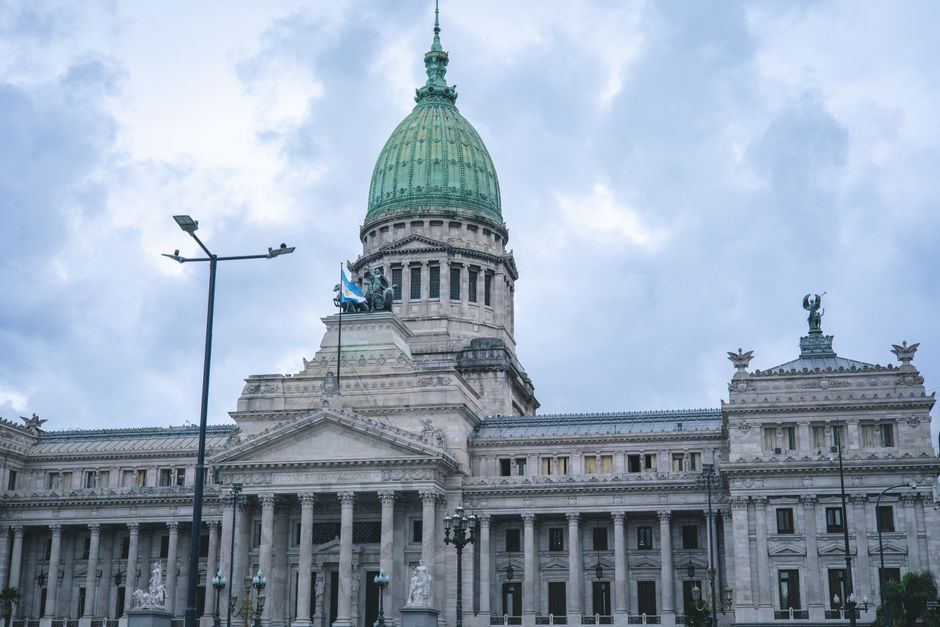
Argentina has designated Iran's Islamic Revolutionary Guard Corps (IRGC) as a terrorist organization, marking a significant alignment with United States foreign policy in a region where such designations carry implications for diplomatic relations, financial flows, and the rights of communities affected by state-sponsored violence.
The Argentine government indicated that this designation aligns with the United States' stance on the IRGC, according to Reuters. The move positions Argentina alongside Washington in formally labeling the Iranian military force as a terrorist entity, a classification that typically triggers asset freezes, travel restrictions, and prohibitions on material support.
Regional Security Cooperation
The designation comes amid broader discussions about counterterrorism frameworks in Latin America and the role of international cooperation in addressing threats. Argentina has historically been affected by attacks attributed to Iranian-backed actors, including the 1994 bombing of a Jewish community center in Buenos Aires that killed 85 people. Families of victims and human rights organizations have long advocated for stronger accountability measures against those they hold responsible.
No further details were provided regarding the legal mechanisms of the designation in Argentina or domestic reactions to the government's decision. The classification may affect Iranian diplomatic and commercial activities within Argentine jurisdiction, though the practical enforcement mechanisms remain unclear.
Separate Development in Cuba
In a separate development in the Americas, a Russian oil tanker began discharging cargo in Cuba, Reuters reported. The delivery underscores ongoing energy logistics involving Russia and Cuba at a time when both nations face international economic pressures. Cuba has experienced severe energy shortages, with rolling blackouts affecting households, hospitals, and essential services across the island.
No further details were provided regarding specifics of the Cuban port or the identity of the Russian tanker. The energy relationship between Moscow and Havana has historical roots, with Russia providing crucial fuel supplies to the Caribbean nation during periods of economic strain.
The two developments, while geographically linked to the Americas, reflect distinct geopolitical dynamics: Argentina's counterterrorism alignment with the United States and Cuba's continued energy dependence on Russian imports amid international isolation.
Why This Matters:
Argentina's designation of the IRGC as a terrorist organization affects how the country engages with international security frameworks and honors the demands of communities seeking justice for past attacks. The alignment with US policy may strengthen diplomatic ties with Washington while potentially limiting Argentina's independent foreign policy options in the Middle East. Meanwhile, Russia's fuel delivery to Cuba highlights the humanitarian dimensions of energy access in nations facing economic sanctions and isolation. For ordinary Cubans enduring power outages that disrupt daily life, medical care, and food preservation, such shipments represent critical infrastructure support. Both developments illustrate how international alignments and energy dependencies shape the lived experiences of communities across the Americas, from families seeking accountability for terrorist violence to households struggling with basic electricity access.