
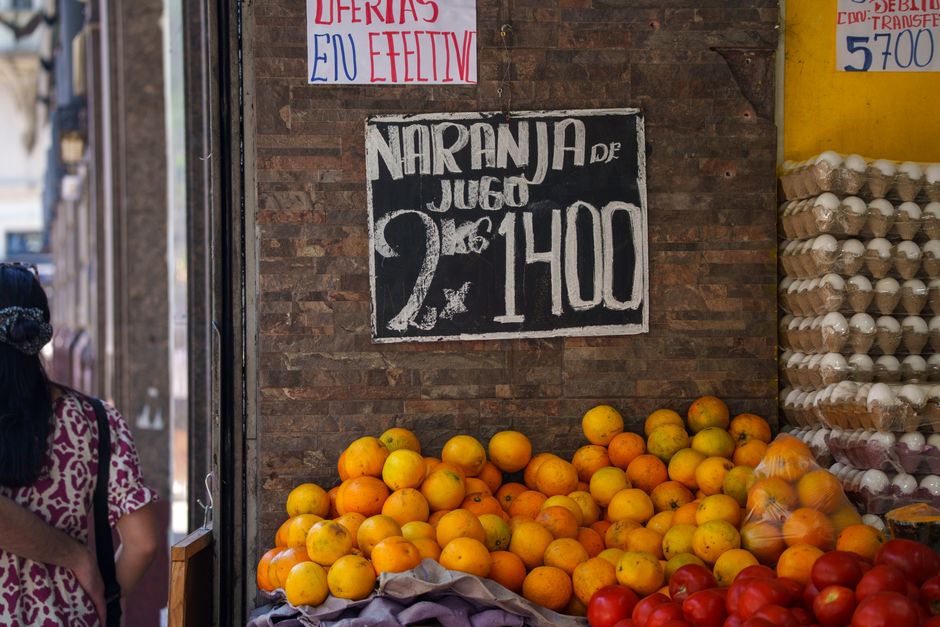
Argentina’s food prices climbed 0.59% in the third week of October, while the general price level rose 0.12%, consultancy Eco Go reported. Its weekly retail survey, dated 19 October, tracked the basic food basket as well as other goods and services. Food added 0.16 points to the weekly index—more than the total increase—while falling prices in other categories pulled down the headline figure.
The basket, and who sets its measure
Clothing and footwear dropped 1.75%. Eco Go said the weekly general increase would have reached about 0.29% without that decline. That accounting doesn’t make food cheaper; it shows how lower prices in one category can soften the overall number even as grocery prices rise.
Seven of the 10 food groups increased, and five rose by more than the food average. Bread and cereals climbed 2.14%. Dairy and eggs recorded the biggest drop. Meat, the basket’s heaviest group, rose 0.1% on retail shelves, after climbing 1.3% the previous week. Poultry increased 1.0%, while beef fell 0.2%.
Fruit prices on shelves climbed 1.7% after two weeks of declines. Vegetables rose 0.8% for a second straight week, bringing their two-week increase to 2.7%. Eco Go’s figures show that pressure isn’t spread evenly across the basket, but food’s weekly increase still exceeds the general price rise.
Different counts, different authorities
Food’s 0.59% rise came in below the 1.05% reported for the prior week. Eco Go says food fell 0.05% in the first week of October, rose 1.05% in the second and 0.59% in the third, for about 1.6% so far that month. Yet the report gives a conflicting comparison for the second week: Perfil reported 1.03% on 16 October.
Private surveys don’t share one measuring method. LCG, which scrapes 8,000 prices at five supermarkets, recorded a 0.4% increase in food and beverages in the second week of October. Eco Go put that week’s increase at about 1%. The figures are estimates, not one uncontested count of what prices did.
Argentina’s official statistics office, INDEC, reported September inflation of 1.9%, inflation of 23.6% in the first nine months of 2026 and 33.4% over 12 months. Eco Go estimated that food and beverages rose 26.9% year to date and 34.0% over 12 months; those figures come from the consultancy, not INDEC. La Capital, Canal 26 and Perfil reported the official September figures because the official table couldn’t be read directly. INDEC hasn’t confirmed the date of its October release.
Forecasts and market wagers
Wholesale meat rose 0.9% during the week, its third consecutive increase, and gained 3.6% over that run. Since October 2025, wholesale meat prices have climbed 55.6%, while shelf prices increased 45.4%. Wholesale fruit rose 1.3%, up 10.2% in three weeks; Eco Go said the increase was beginning to pass through to retail prices. Wholesale vegetables gained 0.5% after two weeks of declines.
Airfares rose 6.4% outside food, and lodging increased 5.3%; tolls also went up. Trousers fell 7.1%, while footwear dropped 4.2%. Eco Go projects October food prices will rise 2.4%, compared with 1.8% for all prices, assuming weekly increases of 0.5% in the remaining weeks. Its all-prices projection would put annual inflation near 32.4%.
Polymarket’s Argentina October inflation market gave a 45% chance to an outcome between 1.6% and 1.8%, and 36% to one between 1.9% and 2.1%, using bid-and-ask midpoints at 2:44 a.m. ET on 22 October. About US$15,700 had traded, and the market was due to close on 12 November. Those wagers don’t settle the official count. Eco Go’s projection remains a private estimate, and it may differ from INDEC’s official measurement.
- argentina
- food prices
- inflation
- eco go
- indec
- meat prices
- consumer prices
- october inflation