
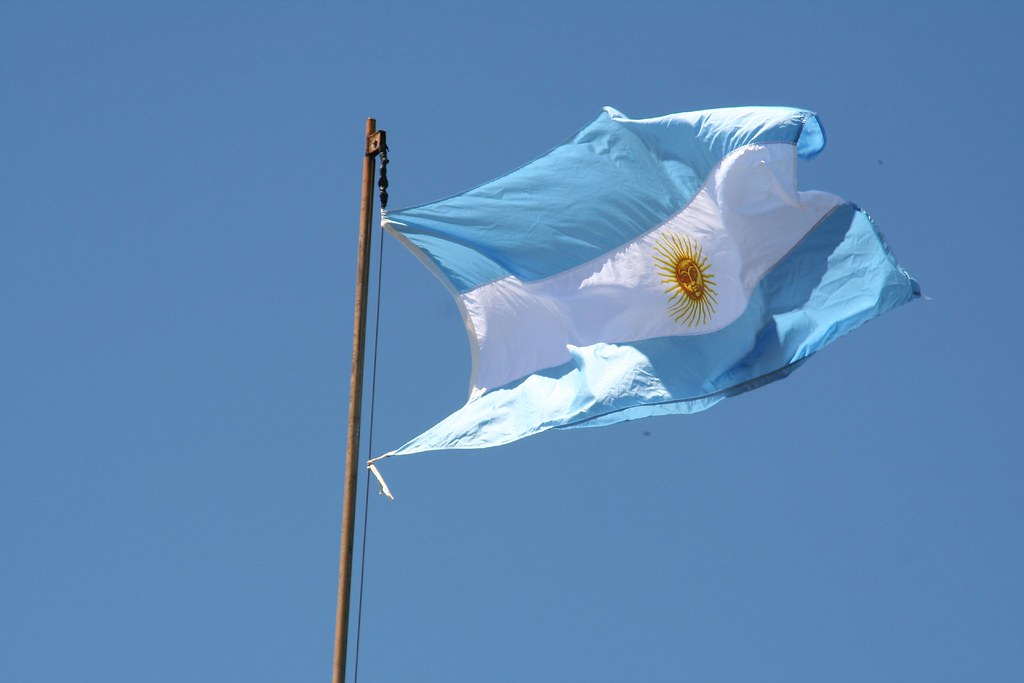
The International Monetary Fund has agreed to release about US$900 million to Argentina, even as its latest forecasts cut expected 2026 growth from 3.5 percent to 2.1 percent and project inflation at 32.5 percent. The staff-level agreement on the third review of the US$20-billion financing programme still needs approval from the IMF's executive board. Most of the money has already gone out in earlier reviews.
Agreed in April 2025, the 48-month arrangement backs President Javier Milei's economic reform programme. Its stated aims are to reduce inflation, strengthen foreign-currency reserves and sustain growth. The programme marked its first anniversary in April, and officials settled the review on October 27, one day ago.
What the IMF Is Celebrating
The Fund didn't hold back in its praise. In a statement, it said the programme "continues to deliver impressive results, despite a more complex global backdrop." It credited prudent fiscal and monetary policies with supporting falling inflation and substantially strengthening Argentina's external position.
The reserve figures support that claim. Net international reserves topped the programme's end-June target, set four months ago, by about US$4 billion. The Central Bank of Argentina, known as the BCRA, has bought nearly US$16 billion in foreign currency so far in 2026. The Treasury raised more than US$5 billion in foreign currency through domestic markets. The IMF also pointed to US$76 billion in approved investments under Milei's flagship RIGI incentive scheme, saying those investments should strengthen growth and job creation over time.
The Price of Fiscal Discipline
The deal locks in more austerity-style targets. The government is aiming for a primary surplus of 1.4 percent of GDP in 2026, with a similar fiscal effort in 2027. If Argentina meets both targets, the IMF said, it will record four consecutive years of primary fiscal surpluses and overall fiscal balance. Authorities also agreed to keep building reserves, maintain monetary policy aimed at reducing inflation and preserve exchange-rate flexibility under the current currency-band system.
The source material doesn't explain what those surpluses demand of ordinary Argentines or where spending restraint will fall. But the arithmetic is plain. Public spending stays constrained for years under balanced budgets, even as the Fund's own outlook shows growth slowing far more than it expected earlier and inflation running higher than projected.
A Shrinking Window to Markets
The statement also carries quieter signals. Argentina remains the IMF's largest debtor, owing around US$56.8 billion. Long-term repayment depends on the country returning to international capital markets, but that door looks closed for now. Argentina's sovereign bonds yield more than 12 percent. Milei has delayed a return, hoping to secure lower interest rates.
The IMF's language has shifted accordingly. During the second review in April, when yields were lower, staff referred to Argentina achieving "timely and sustainable access to international capital markets." This time, the Fund said authorities agreed to "preserve readiness to access international capital markets when conditions permit and activate contingent credit lines as needed." That's a much softer commitment.
There's one more condition. IMF staff said the government must complete "the remaining agreed steps" before the review goes to the executive board. The Fund gave no further details about those steps.
Why This Matters:
Rising reserves and a string of fiscal surpluses tell one story. The IMF's own forecasts tell another: slower growth and inflation still projected at 32.5 percent. For households, that gap matters more than any reserve target. Prices rising at that pace while the state runs surpluses raises a fair question: who's absorbing the adjustment? The Fund's statement doesn't answer it. The deal also leaves Argentina deeply dependent on a single creditor, owed US$56.8 billion, while bond yields above 12 percent block an alternative route. And the unspecified "remaining agreed steps" mean key conditions of a publicly financed programme remain undisclosed to the people whose economy they will shape. Transparency about those commitments is a basic test of democratic accountability for a loan of this scale.
- argentina
- international monetary fund
- javier milei
- imf review
- imf funding
- economic reforms
- fiscal policy
- foreign currency reserves