
Argentina's national energy future is being mortgaged to transnational interests, with a US$7 billion financing package for minerals and energy projects and another US$6 billion for the Argentina LNG export scheme set for announcement today in New York. This significant financial commitment, made on the sidelines of the United Nations General Assembly, bypasses direct national sovereign lending. It instead relies heavily on foreign export credit and private capital, shifting control over vital national resources.
Foreign Minister Pablo Quirno and US Deputy Secretary of State Christopher Landau are slated to present this package at Argentina’s consulate. The choice of venue, far from Buenos Aires and national legislative scrutiny, underscores the globalist mechanism at play. These deals are often brokered in international forums, away from the immediate oversight of the people's representatives.
The financing structure involves loans, guarantees, and insurance, alongside private capital. The US Export-Import Bank plans up to US$7 billion for Argentine minerals and energy projects. About US$6 billion is specifically tied to Argentina LNG, the major export project involving YPF, Italy's Eni, and the Emirati firm XRG. The US International Development Finance Corporation is also contemplated in this arrangement, further entrenching foreign financial institutions in Argentina's resource sector.
National Wealth, Foreign Hands
The Argentina LNG project, central to the gas export strategy, sees YPF holding 36 percent. Italy’s Eni and the Emirati firm XRG each control 32 percent, giving foreign entities a majority stake in a critical national asset. This ownership structure raises serious questions about the long-term benefits for the native working class and the nation's self-determination over its own resources.
The partners applied under RIGI, Argentina’s incentive regime for large investments. This regime facilitates massive capital inflows, with the project citing about US$51 billion over its life. La Nación reported that approximately US$29 billion of that sum is expected before 2031, a staggering figure that highlights the scale of foreign influence being invited into the nation's economy.
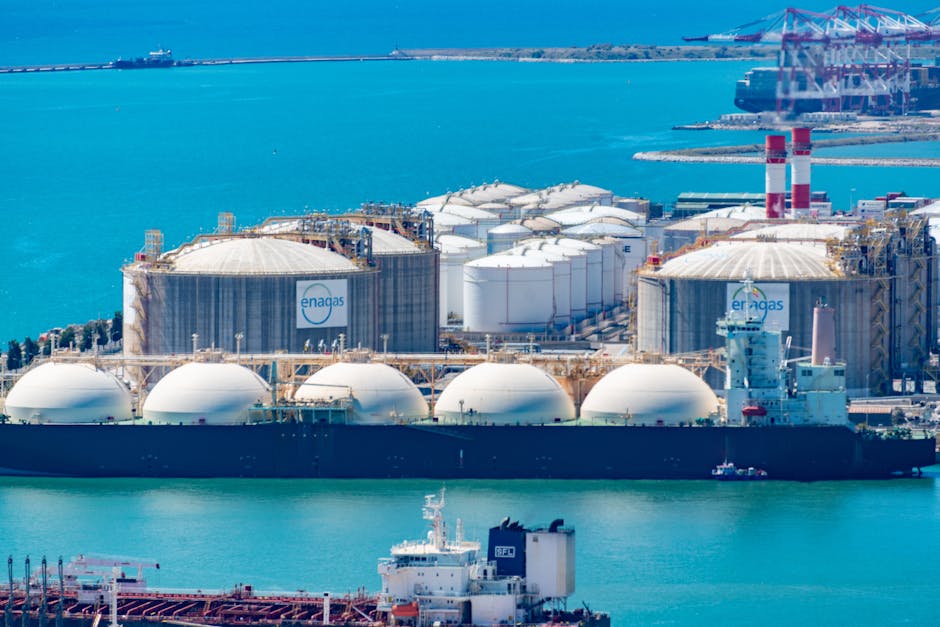
The project's design includes two floating liquefaction units in the San Matías Gulf, off Río Negro province. These units boast a combined capacity of about 12 million tonnes a year, with room to reach 18 million. The gas itself will be supplied from the Vaca Muerta shale formation in Neuquén province, a vast natural resource now largely directed towards foreign markets and under foreign-influenced management.
Resistance from the People's Representatives
Despite these high-level agreements, a crucial element of national consent remains absent. Washington and Buenos Aires signed an agreement on reciprocal trade and investment in February 2026. However, Argentina’s Congress has still not ratified it. Argentine officials openly admit they do not yet have the votes, a clear indication of popular resistance to these transnational frameworks.
Ambassador Jamieson Greer signed for the United States on that unratified agreement. The ongoing push for these financing deals, even as the national legislature withholds its approval on related trade pacts, demonstrates a pattern of elite capture that bypasses the will of the sovereign people. YPF chief executive Horacio Marín stated on September 18 that the company was deep in talks with export credit agencies from Europe, Asia, and the United States, illustrating the globalist network driving these initiatives.
The final signed amount of the package remains undisclosed. The split between EXIM, the DFC, and private lenders is also unknown, as is any drawdown schedule. This lack of transparency is characteristic of deals negotiated by transnational elite interests, leaving the native population in the dark about the true cost and long-term implications for their nation.