
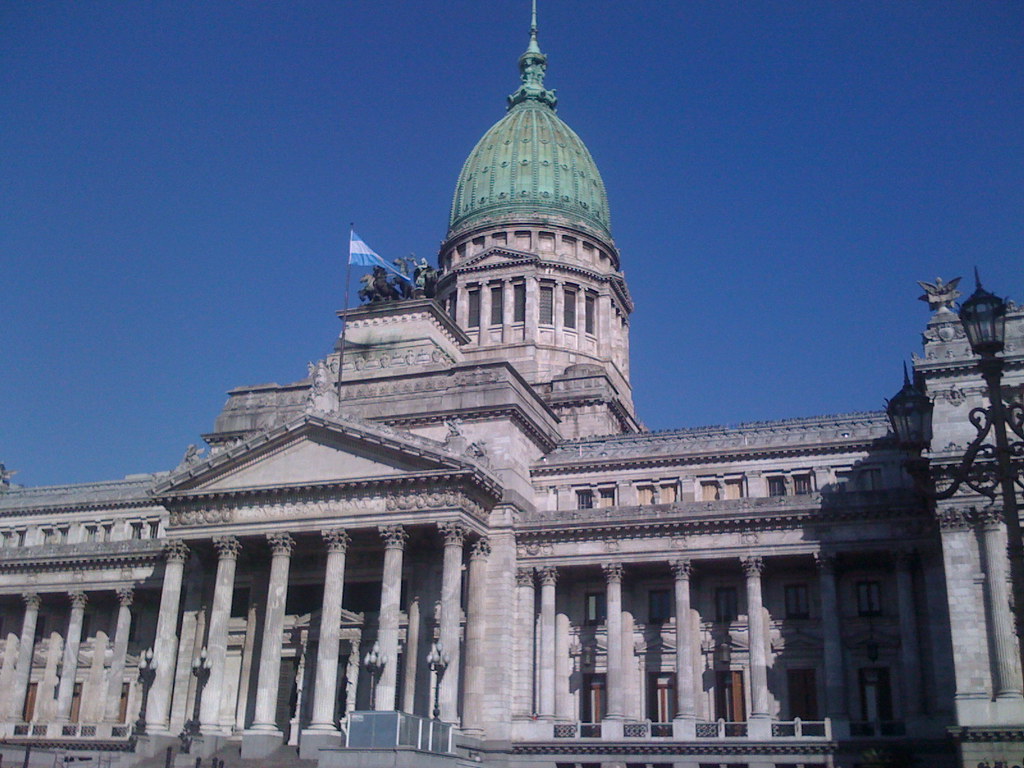
Argentina’s lower house failed to muster enough votes to challenge President Javier Milei’s sweeping emergency decree, leaving DNU 70/23 in place after opposition lawmakers missed a quorum on Thursday, October 15. Just 121 deputies took their seats before the 30-minute deadline; the chamber needed 129. Outside Congress, a large demonstration took place.
Unión por la Patria caucus chief Germán Martínez said: “This government and those who did not give quorum do not feel for the Argentine people. It is our responsibility to give them the political representation they deserve at this time and the hope for the future that they need.” The proposed session also included an emergency bill for disabled people and a measure to ease household debt. When the session failed, lawmakers left both off the chamber’s agenda.
The quorum gate
Absences decided the result. Deputies from the centrist Provincias Unidas caucus, led by Santa Fe representative Gisela Scaglia, stayed away, as did lawmakers from Tucumán’s Independencia caucus and representatives from Misiones. Two other inland deputies arrived only after Lower House Speaker Martín Menem declared the session had fallen through.
Those who attended included members of Unión por la Patria, the main Peronist opposition caucus; the left-wing Frente de Izquierda; a dozen deputies from Provincias Unidas; and representatives from Argentina Federal, Elijo Catamarca and the Coalición Cívica. They still couldn’t overcome the threshold set for the special session. The government welcomed the failure.
Pablo Juliano (Radical-Buenos Aires Province) accused the government of “tying itself up in knots to avoid quorum” and said deputies who stayed away had given no thought to indebted people and disabled people. The chamber’s arithmetic decided whether the proposed challenge could proceed. People facing debt or disability figured in the debate, but they weren’t the decision-makers who could supply the missing votes.
A decree with a broad reach
Milei’s government has used DNU 70/23 to advance a broad programme of economic reforms. The opposition’s proposed challenge threatened more than one measure: the report said overturning the decree in full could also repeal laws covering rent, the “open skies” aviation programme and the removal of price controls through the elimination of anti-hoarding legislation.
The decree also repealed the Regime for the Protection of National Ownership of Rural Land, a law introduced in 2011 that limits foreign ownership of rural property. Milei’s deregulation drive targeted the law soon after he took office. The government now seeks to restore it, having reversed its position over the “Ley de Tierras.”
The legislative route narrows
Three factors were cited behind the failed session: a Supreme Court ruling upholding the norm limiting the sale of land to foreigners, reversing an earlier ruling that had denied legitimacy to a lawsuit presented by Malvinas war veterans; the government’s reversal over the land law; and confirmation of another session for October 21 to debate disability and household-debt measures. That later session gave moderate opposition lawmakers an incentive to stay away.
For now, the decree remains in force because the opposition couldn’t assemble enough deputies for its challenge. The debate over restoring the land law and addressing disability and household debt has been pushed to another scheduled session, while the government’s wider reform programme continues through the decree it welcomed keeping in place.
- argentina
- javier milei
- dnu 70/23
- argentine congress
- economic reforms
- opposition
- quorum
- land ownership law