
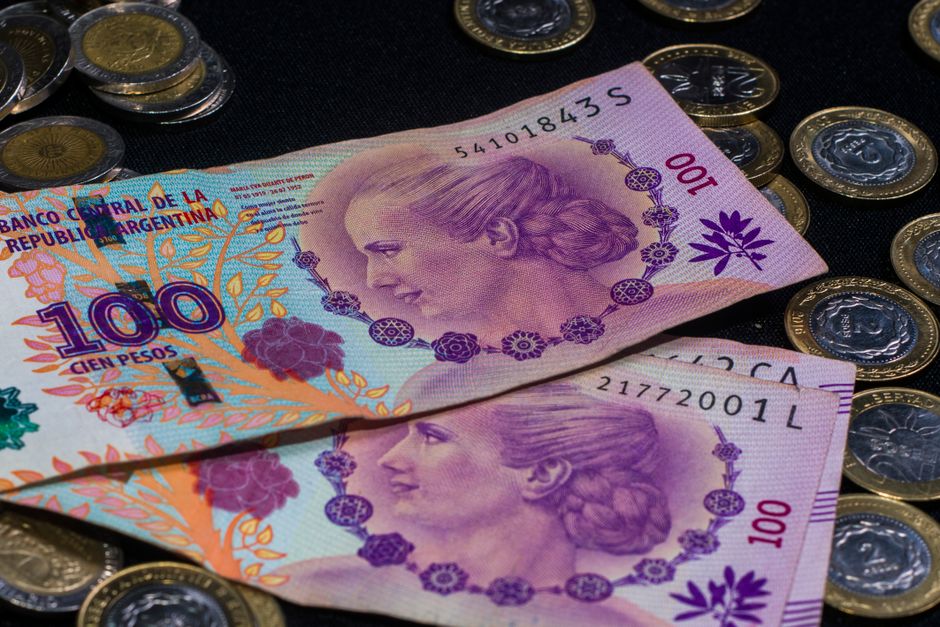
Argentina has stopped issuing Bonar dollar bonds in its local market as borrowing costs climb above 12%. That weakens one planned way to meet US$25 billion in hard-currency debt payments due in 2027. The country’s repayment schedule runs through 2030, and the government can seek foreign financing or use a currency swap with China.
The government had planned to raise almost US$1 billion more through local bonds this year, then US$5 billion in 2027. Economy Minister Luis Caputo said Wednesday that officials still expect to issue local bonds next year, but could use the China swap if they can’t. Rising yields are making local borrowing harder.
The financing gap
Argentina’s plan to meet its obligations without global bond markets relied on Central Bank dollar purchases, privatisations, multilateral financing and local bond sales. That last option has weakened. Higher borrowing costs in global markets have also dashed remaining hopes of a first international bond sale, according to the report.
“When authorities had the chance to smooth next year’s financing schedule, they chose not to, arguing that all-in yields were too high,” said Armando Armenta, senior economist at AllianceBernstein. “Now, that decision implies the 2027 election season will be bumpy.”
Local investors have also priced Argentine debt based on whether it matures before or after the October 2027 vote. Data compiled by Bloomberg show the yield gap between those local dollar bonds widened to almost 500 basis points.
China swap and external lenders
After meeting investors on the sidelines of the International Monetary Fund and World Bank meetings in Bangkok, Caputo discussed the government’s US$19 billion swap line with China’s central bank. About US$5 billion of the swap can go toward debt repayment, roughly matching the amount Argentina plans to raise through local-law dollar bonds in 2027.
The swap doesn’t directly replace dollar bonds. It provides yuan to Argentina’s Central Bank, not dollars directly to the Treasury, and its terms aren’t fully public. Previous administrations used some of the swap to meet obligations to multilateral lenders such as the IMF and pay bondholders.
Election pressure and investor appetite
Economic growth has stalled. Inflation remains stubbornly high, and fears of unemployment are mounting. The report says concern that President Javier Milei could lose the 2027 election and see his pro-market policies end is likely to intensify. Milei has called the government’s preparations a “bazooka of dollars,” including Central Bank dollar purchases, US$20 billion swap lines with the United States and China, and expected additional financing from banks and multilateral lenders.
Argentina has announced the privatisation of water utility AySA, while the Central Bank accelerated dollar purchases this month. Investors continue to buy Argentine debt. Double-digit yields attract buyers who remain persuaded by Milei’s economic overhaul. Lamine Bougueroua, EM fund manager at Carmignac, said the sell-off was “more of an entry point” and added that he thought the government would be able to raise dollars.
The report describes a sovereign financing problem and reliance on domestic issuance, foreign markets, China’s swap line, banks and multilateral lenders. It provides no information about migration, demographic change or popular opposition to these financing decisions.
- argentina
- bonar bonds
- javier milei
- luis caputo
- debt payments
- china currency swap
- bond yields
- aysa