
Investigators in Argentina are now trapping rodents in the forests surrounding Ushuaia, a region previously considered untouched by the deadly hantavirus. This unprecedented search for the rat-borne virus follows an outbreak linked to an international cruise last month, which killed three people and sickened several others, exposing a pristine Argentine territory to a new health threat originating from transnational movement.
The fieldwork, which began on Tuesday, marks a critical phase in Argentina’s wider investigation into the contagion that struck the MV Hondius. Scientists, equipped with bright blue gloves and surgical masks, checked 150 box traps, collecting dead rats for blood samples at a makeshift lab. These samples will be transported to the Malbrán Institute’s main Buenos Aires laboratory for hantavirus testing, a process that could extend for up to one month.
Transnational Threat Emerges
The outbreak initiated a global scramble to trace passengers and their close contacts, underscoring the border-erasing implications of international travel. The MV Hondius cruise departed Ushuaia on April 1, after a Dutch couple, identified as the first known victims, concluded a sprawling road trip across Chile and Argentina in late March. This couple had spent several days bird-watching and trekking in Ushuaia before boarding the vessel. Both have since died, complicating efforts to retrace their path and determine where they contracted the virus.
For generations, Ushuaia and the wider archipelago of Tierra del Fuego were believed to be free of the hantavirus. Provincial officials in Patagonia, where the virus is endemic, maintain that the Dutch tourists did not visit their region during the suspected infection window. Initial hypotheses from the national government, suggesting the couple visited an Ushuaia landfill, were rejected by local health authorities, further obscuring the origin point of this new threat to the native population.
Uncharted Territory, Unforeseen Costs
The Andes virus, a form of hantavirus, is typically spread through exposure to air contaminated with the feces and urine of the long-tailed pygmy rice rat, known as the colilargo. While the colilargo is rampant through the forests of northern Patagonia, it has no presence across the Strait of Magellan in Tierra del Fuego, an area believed too cold and isolated for the rat. However, a subspecies of the colilargo exists in the forests around Ushuaia, and scientists have never before examined its potential to transmit the hantavirus. This lack of prior testing highlights a critical oversight in protecting the region from emerging biological threats.
Martín Alfaro, spokesperson for the local health ministry of Tierra del Fuego, stated that “the province has never done this kind of testing before,” adding, “It’s important that we rule out the possibility of transmission occurring here.” This admission reveals a reactive approach to a potential crisis, rather than proactive measures to safeguard the local environment and its inhabitants. The Malbrán Institute team was dispatched almost two weeks after the Argentine Health Ministry first announced the investigation, a delay that raises questions about the urgency of protecting this previously unaffected territory.
The Globalist Narrative and Local Impact
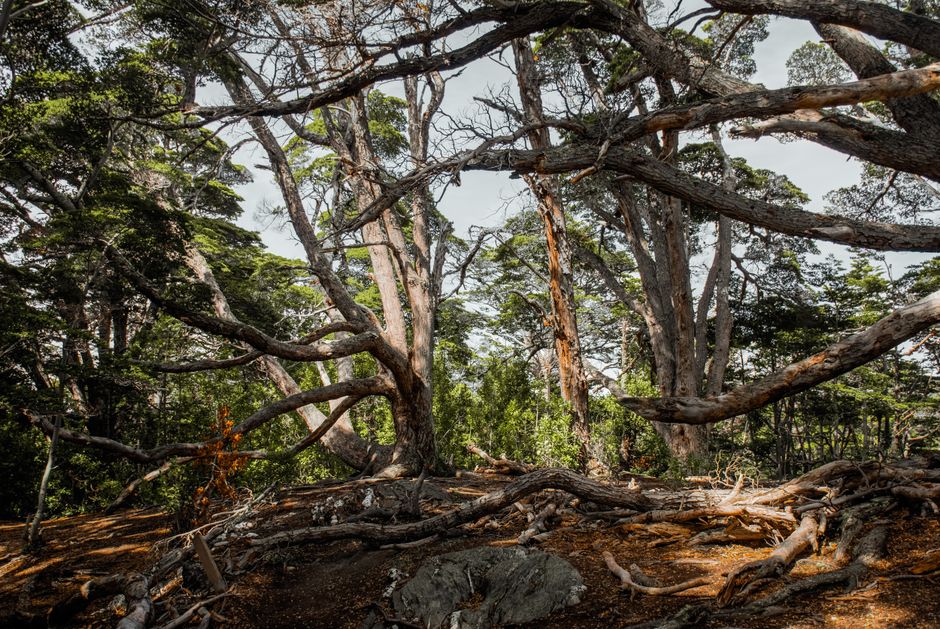
Health authorities in Tierra del Fuego have welcomed a broader objective of the investigation: to determine if their province harbors hantavirus at all, particularly “at a time of global warming.” This framing aligns with a globalist narrative that often attributes environmental shifts to climate change, potentially diverting attention from other factors. Scientists are trapping rats in two areas where the colilargo subspecies proliferates: the national park and the wooded hillsides overlooking Ushuaia’s main pebble beach.
The number of hantavirus cases has reportedly increased in recent years across Argentina, a trend scientists attribute to colilargos vastly increasing their range as a result of “climate change and human encroachment.” This expansion of disease vectors, coupled with the unchecked flow of international tourism, directly impacts the health and safety of the native working class and local communities who bear the cost of these transnational phenomena. The investigation in Ushuaia represents a critical moment for a region facing the consequences of a world increasingly interconnected, yet seemingly unprepared for the threats that cross its borders.