
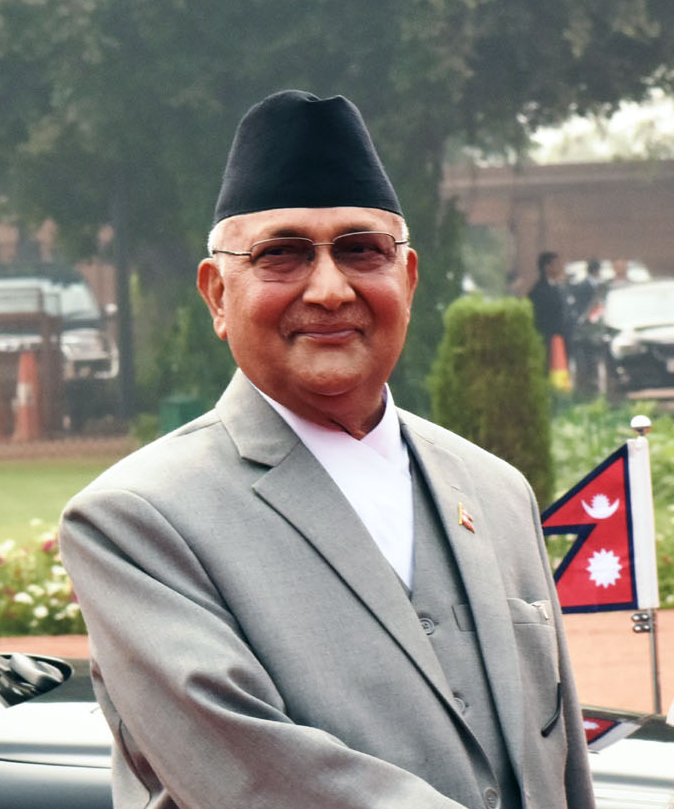
Former Nepali Prime Minister KP Sharma Oli was arrested today in connection with deaths that occurred during youth-led demonstrations, marking a dramatic escalation in Nepal's ongoing political crisis and raising urgent questions about accountability for state violence against protesters.
The arrest of Oli, who previously served as prime minister and remains a powerful figure in Nepali politics, stems from his alleged role in the deadly crackdown on protests organized by Gen Z activists. The demonstrations, which drew thousands of young Nepalis to the streets in recent months, called for greater economic opportunities, government transparency, and systemic reforms to address corruption and youth unemployment.
Deadly Crackdown Sparks Outrage
The protests turned violent when security forces confronted demonstrators, resulting in multiple deaths that human rights organizations have condemned as excessive use of force. Gen Z activists, who organized the demonstrations largely through social media platforms, have demanded justice for those killed and injured during the confrontations. The movement reflects broader frustrations among Nepal's youth population, who face limited economic prospects despite the country's democratic transition.
Oli's arrest represents a rare moment of accountability in a political system often criticized for protecting powerful elites from consequences. Legal experts note that charging a former prime minister with crimes related to protest violence could set an important precedent for democratic governance and the rule of law in Nepal, a country that has struggled with political instability since its transition from monarchy to republic.
Political Ramifications and Democratic Progress
The arrest has triggered significant political upheaval, with Oli's supporters denouncing the move as politically motivated while reform advocates celebrate it as overdue justice. The situation highlights the tension between Nepal's old guard political establishment and a younger generation demanding systemic change and greater accountability from their leaders.
Nepal's democratic institutions, still relatively young and fragile, face a critical test in how they handle this high-profile case. International observers and human rights organizations are closely monitoring the proceedings, emphasizing the importance of fair trials and transparent judicial processes. The outcome could significantly impact Nepal's democratic trajectory and its ability to address legitimate grievances from its youth population.
The Gen Z-led movement has drawn comparisons to youth activism movements worldwide, demonstrating how young people are increasingly willing to challenge entrenched power structures and demand responsive governance. These activists have effectively used digital organizing tools to mobilize support and document alleged abuses, creating pressure that traditional political channels often failed to generate.
Why This Matters:
This arrest represents a pivotal moment for democratic accountability and the protection of fundamental rights in Nepal. When government leaders face consequences for violence against peaceful protesters, it strengthens the social contract between citizens and the state, reinforcing that no one stands above the law. For progressive advocates, this case exemplifies the importance of independent judicial systems capable of holding powerful figures accountable, even when politically inconvenient.
The Gen Z activists at the center of this story represent a generation demanding their voices be heard on issues affecting their futures—economic opportunity, environmental sustainability, and transparent governance. Their willingness to risk personal safety for systemic change reflects the urgent need for responsive institutions that address legitimate grievances through dialogue rather than force. When young people lose faith in democratic processes, societies risk instability and authoritarian backsliding.
Moreover, this case underscores the critical importance of protecting the right to peaceful assembly and free expression. Democracies thrive when citizens can voice dissent without fear of violent reprisal. The international community's attention to this case sends an important message that state violence against protesters carries consequences, potentially deterring future abuses. For those committed to democratic values and human rights, Nepal's handling of this case will serve as an important indicator of whether its democratic institutions can deliver justice and accountability.