
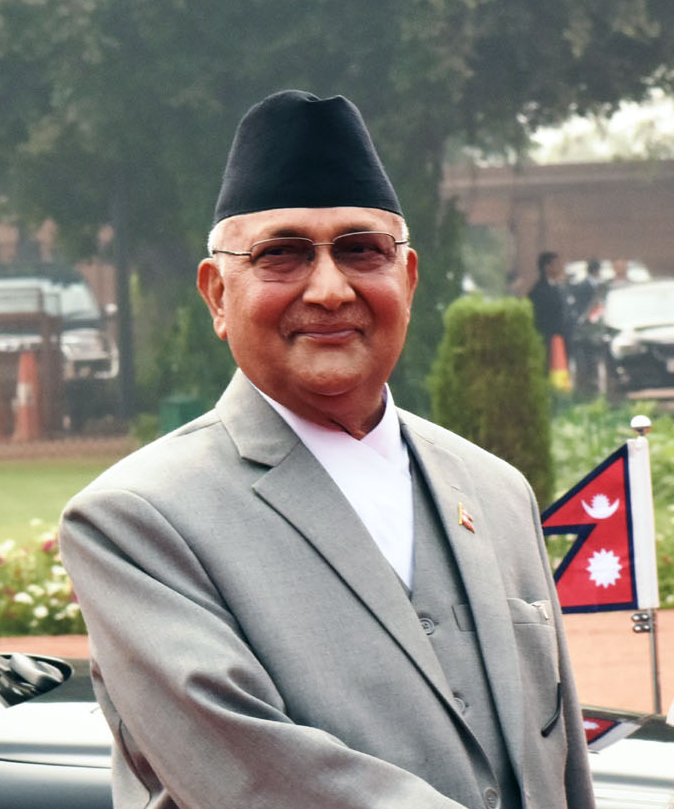
KATHMANDU — In a stunning escalation of political turmoil, Nepal’s former Prime Minister KP Sharma Oli was arrested today in connection with the deaths of protesters during recent Gen Z-led demonstrations. The arrest has sent shockwaves through the Himalayan nation, exposing deep fractures in its fragile democracy and raising alarming questions about the influence of radical youth movements on national stability.
A Nation on the Brink
The unrest began earlier this week when thousands of young Nepalis, organized under the banner of Gen Z activism, took to the streets to demand sweeping political reforms. What started as peaceful protests quickly spiraled into violent clashes with security forces, resulting in at least five fatalities and dozens of injuries. Authorities allege that Oli, who served as prime minister until last year, played a direct role in inciting the violence through inflammatory rhetoric aimed at suppressing dissent. His arrest today marks a dramatic turn in Nepal’s already volatile political landscape, where corruption and instability have long plagued the government.
Gen Z’s Radical Agenda
The protests, driven by Nepal’s youth, reflect a growing global trend of Gen Z activism that often prioritizes confrontation over constructive dialogue. While these young demonstrators claim to fight for democracy, their tactics—including vandalism, blockades, and outright defiance of law enforcement—have raised concerns about their true motives. Critics argue that these movements are less about genuine reform and more about destabilizing traditional institutions, a pattern seen in Western nations where radical left-wing activism has eroded public order. In Nepal, where political leaders have historically struggled to maintain stability, the rise of such unrest could have devastating consequences for the country’s future.
Oli’s Fall from Power
KP Sharma Oli, a veteran politician and leader of the Communist Party of Nepal (Unified Marxist-Leninist), was ousted from power last year amid accusations of authoritarianism and economic mismanagement. His arrest today is seen by supporters as a politically motivated witch hunt, while opponents celebrate it as long-overdue justice. Oli’s tenure was marked by controversial moves, including attempts to consolidate power and suppress opposition voices—tactics that have drawn comparisons to other strongmen leaders in the region. His downfall underscores the precarious nature of Nepal’s democracy, where political vendettas often overshadow governance.
Why This Matters:
The arrest of KP Sharma Oli is not just a domestic issue—it is a warning sign for nations grappling with the rise of radical youth movements. Nepal’s instability serves as a cautionary tale for the West, where Gen Z activism has increasingly turned to violence and intimidation to push extreme agendas. The fact that these protests resulted in deaths demonstrates the dangers of unchecked mob rule, a threat that transcends borders. For those who value law and order, the events in Nepal should be a wake-up call: when political leaders fail to uphold stability, the vacuum is filled by chaos.
Moreover, Oli’s arrest highlights the fragility of democratic institutions in the face of populist uprisings. If Nepal’s government cannot restore order, it risks descending into the same cycle of violence and instability that has plagued other nations where radical movements have gained traction. The international community must recognize that the erosion of national sovereignty—whether through foreign influence or domestic extremism—threatens the very foundations of civilization. Nepal’s crisis is a stark reminder that without strong leadership and a commitment to traditional values, no nation is immune to collapse.