
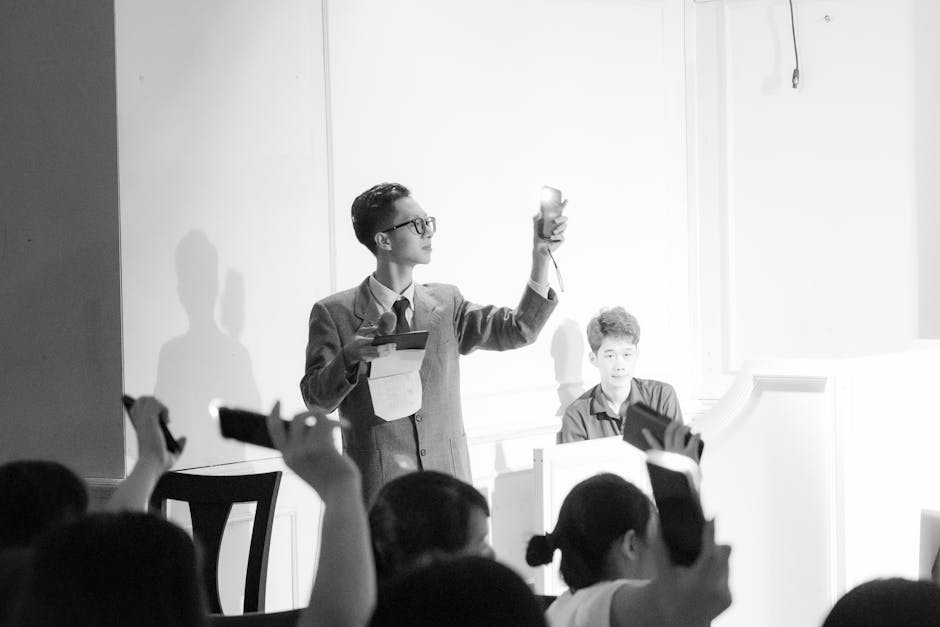
Twenty-eight works from a private collection brought in more than $8.5 million at a Deutscher and Hackett auction, turning privately held art into a high-value market event. The sale cleared 96 per cent of its value and 93 per cent of its volume. Those figures measure the market’s success in money and works sold; they say nothing about who gets access to the art or who has the power to set its price.
Private Ownership, Public Spectacle
The collection had been described as the most significant private collection to come to market in Australia for years and, work for work, probably the strongest. That description placed the collection’s stature and market appeal front and centre before the auction. The works began in private hands, then the auction house presented them for sale, and buyers spent more than $8.5 million.
The figures offer a clean scorecard for the sale: 28 works, 93 per cent sold by volume and 96 per cent by value. But those measures describe a transaction, not a shared cultural life. The account doesn’t identify the buyers or the previous owner, and it doesn’t say what happens to the works after the sale. The people and decisions behind the collection’s movement remain largely outside the frame, while the price total takes centre stage.
That’s the hierarchy built into the story itself. Private ownership determines what enters the auction; the auction measures success through sales and value. There’s no account here of a grassroots effort, mutual aid or community-led response. Nor does the report describe an electoral or legislative remedy. The available facts concern private property changing hands within the art market, not ordinary people gaining a say over the works.
The Director’s Reaction
“There was a lot of talk on the tom toms, a lot of interest and excitement about this auction,” Deutscher and Hackett director Damian Hackett said, “but then, on the night ... it felt different.” His words set expected excitement against a changed feeling on the night, without explaining what specifically changed or why.
The article’s headline quoted the reaction, “Someone did a Ned Kelly on us”: “Highway robbery at art sale.” The phrase gives the sale a sharp edge, but the reported facts don’t describe a robbery. They describe an auction: 28 works offered, buyers spending more than $8.5 million, and the sale reaching its reported percentages by value and volume. The dramatic language belongs to the reaction, not to a stated account of a crime.
What the Numbers Leave Out
A 96 per cent result by value and a 93 per cent result by volume make the auction look strong on the measures provided. The account doesn’t give individual prices or identify buyers, and it doesn’t say how the remaining works fared beyond those percentages. It also doesn’t report who benefits from the sale beyond the fact that buyers spent more than $8.5 million.
So the report leaves the power structure visible in outline: private ownership, an auction house, buyers and a total measured in millions. The people who might encounter the art outside that transaction don’t appear in the account. The market has its numbers. The missing voices have none.
- deutscher and hackett
- damian hackett
- art auction
- private art collection
- canberra
- art market
- auction sales