
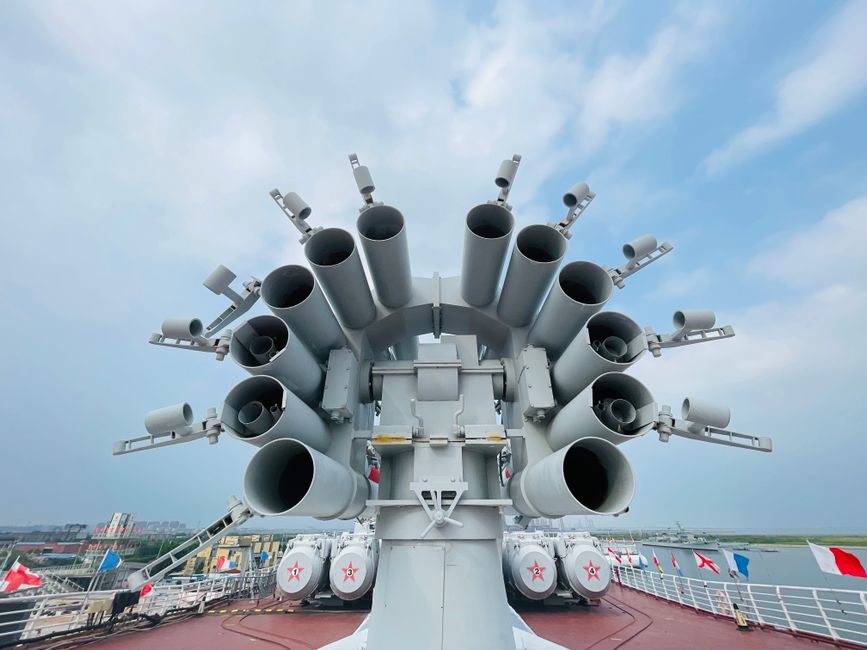
China's state apparatus conducted a missile test today, further deepening the militarization and strategic tension across the Pacific region. This act of imperial projection immediately escalated the ongoing arms race, diverting collective resources towards instruments of destruction.
The Imperial Chessboard
The missile test did not receive unanimous regional support. Kiribati and Nauru notably withheld their endorsement of a statement concerning the discussions around the test. This signals a mixed regional sentiment, revealing that not all nations are willing pawns in the escalating power struggles between larger states.
Simultaneously, Australia and Vietnam moved to deepen their comprehensive strategic partnership. Such alliances serve to consolidate spheres of influence and secure economic interests for the ruling classes of these nations, often at the expense of regional stability for the working people.
Arms Manufacturers' Bonanza
Vietnam, for its part, began construction on its largest domestically produced anti-submarine warship. This significant investment in military hardware is part of a broader modernization push, which includes the acquisition of submarines and missile-capable vessels. These expenditures represent a massive transfer of public wealth into the coffers of defense contractors and arms manufacturers.
Every warship built, every missile tested, represents capital extracted from the labor of the working class. These resources could instead fund public housing, healthcare, or education. Instead, they are channeled into the machinery of state power, designed to protect accumulated wealth and project imperial might.
The Cost to the Dispossessed
The deepening militarization of the Pacific ensures a constant state of readiness for conflict. It guarantees a steady stream of profits for the global military-industrial complex. For the region's workers and the economically dispossessed, it means increased risk, environmental degradation from testing, and the perpetual diversion of social resources towards the instruments of war. The state's primary function in this scenario remains clear: to protect and expand the interests of capital, even if it means escalating global tensions and sacrificing the well-being of its own populace.