
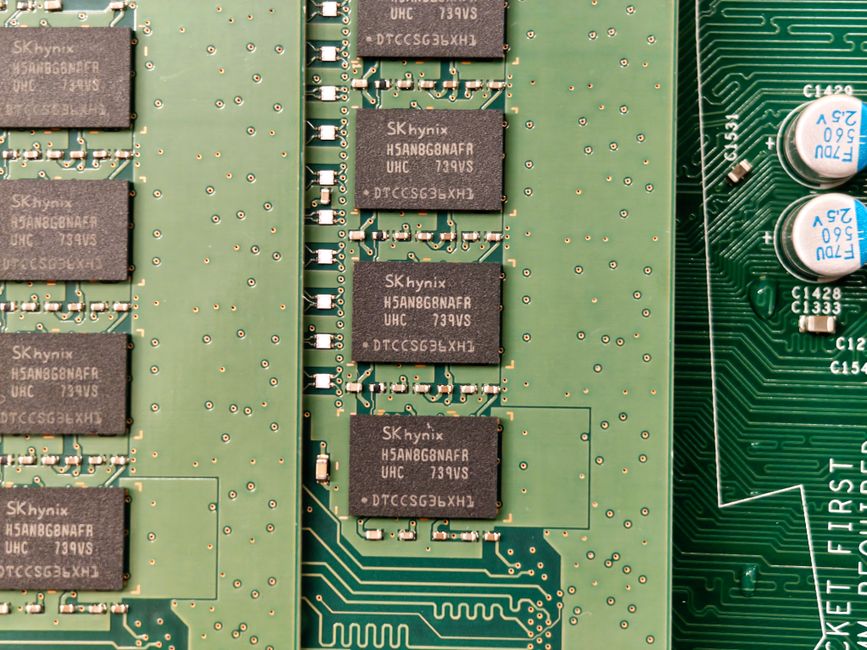
Semiconductor stocks tumbled across Asia, dragging regional equities lower as investors grew more skeptical that the artificial intelligence-driven rally can withstand lofty valuations. The selloff hit South Korea’s Kospi index hard, with the benchmark slumping as much as 7.6% and SK Hynix Inc. and Samsung Electronics Co. leading the losses ahead of a holiday in Seoul Friday. The market’s nerves spread fast. Japan’s Nikkei 225 Stock Average dropped 2.5%, and MSCI’s Asia Pacific equities gauge fell 1.2%, ending a two-day winning streak as the region’s financial machinery lurched under the weight of speculation.
Who Gets Hit When the Bubble Shakes
The sharpest damage landed on semiconductor stocks, the same corner of the market that has been treated like a sacred altar for the AI boom. Investors are now getting colder feet about whether that rally can survive the kind of valuations that have been pushed up by hype and herd behavior. The base facts are blunt: the selloff wasn’t isolated, and it wasn’t gentle. It spread across Asia, with South Korea’s Kospi acting as a bellwether for AI investments and taking the hardest blow.
SK Hynix Inc. and Samsung Electronics Co. led the losses in Seoul. That matters because the people at the bottom of these market swings don’t get to set the terms. Traders, funds, and the institutions that move capital around can chase the next shiny promise, but ordinary workers and savers are left exposed when the numbers stop flattering the story. The holiday in Seoul Friday only adds a little pause to a system that never really stops extracting.
The AI Trade Meets Reality
The move renewed concern about the durability of the AI trade as semiconductor shares came under fresh selling pressure across the region. That’s the language of finance trying to sound calm while the floor shakes. The rally was built on expectations, and now those expectations are being tested by the same market forces that inflated them.
A 2.5% drop in Japan’s Nikkei 225 Stock Average compounded the selloff. Then MSCI’s Asia Pacific equities gauge slid 1.2%, ending a two-day winning streak. The numbers show how quickly the confidence game can turn. One day the market is celebrating, the next it’s punishing the very companies it had just elevated.
Oil slipped too. That detail sits beside the semiconductor rout like a reminder that the whole apparatus of global finance keeps moving in lockstep, with ordinary people absorbing the shocks while the people at the top keep calling it efficiency, growth, or innovation. The system loves a boom. It loves the language of progress. It loves the profits even more.
What the Market Calls Stability
The base article points to lofty valuations as the central worry, and that’s the real pressure point here. The AI-driven rally has been treated as if it could outrun gravity forever. It can’t. When investors grow skeptical, the consequences don’t stay inside trading screens. They ripple outward through companies, jobs, pensions, and the broader economy that gets forced to serve the market’s moods.
South Korea’s Kospi, Japan’s Nikkei 225 Stock Average, and MSCI’s Asia Pacific equities gauge all moved in the same direction. That’s not just a bad day for traders. It’s a snapshot of how concentrated financial power can whip entire regions around, with no public say in the process and no real protection when the bets go sour.
The selloff may be framed as a question of confidence in AI. But the deeper story is simpler. A handful of giant firms and the investors circling them can inflate a sector, then dump the risk back onto everyone else when the story starts to crack.