
The U.S. state's agreement with Iran, ending their conflict and waiving sanctions, immediately secured increased profits for energy and shipping capital, while central banks across the globe signaled or implemented interest rate hikes that will further burden working households with higher borrowing costs. While Wall Street celebrated a tech-led rally, working people faced the ongoing pressure of rising inflation. U.S. markets were closed Friday for Juneteenth, a holiday marking the end of chattel slavery, while capital markets in Greater China were closed for holidays.
Capital's Gains from Imperial Policy
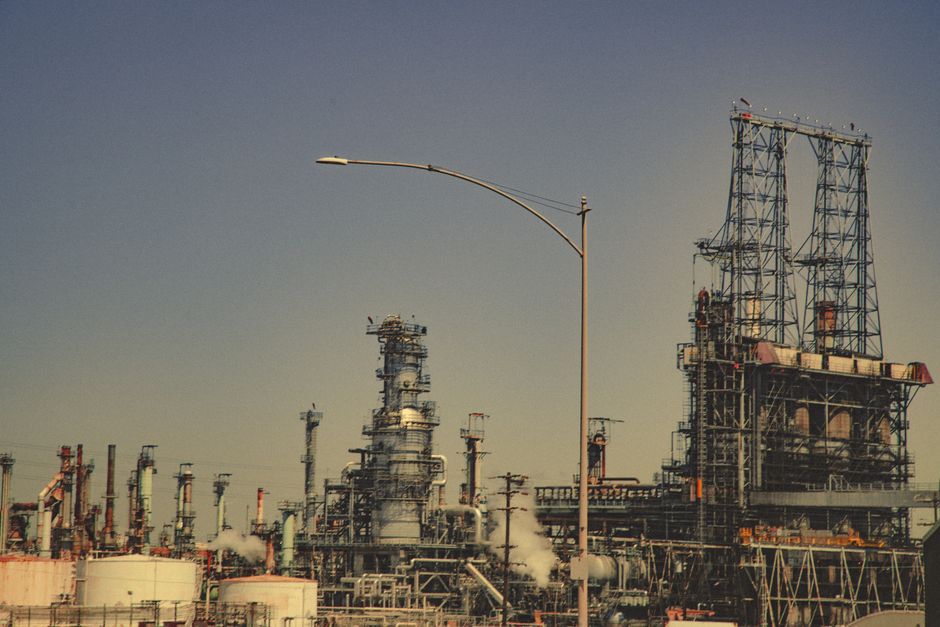
The agreement between the United States and Iran directly benefited corporate interests. Brent crude, the international standard, settled 0.4% higher at $79.85 per barrel after the deal. Oil prices remain above roughly $70 per barrel, a level seen before the war, ensuring continued surplus extraction for energy corporations.
The deal explicitly allows Iran to sell its oil freely and reopens the Strait of Hormuz, a critical chokepoint for a fifth of the world’s oil supply. This move directly serves the needs of transnational energy corporations by stabilizing global supply routes.
Airlines also saw significant gains following the news, with American Airlines rising 3.7% and United Airlines adding 2.1%. Cruise line company Carnival jumped 3.2%. These sectors, heavily reliant on fuel costs and consumer spending, benefited from the perceived stabilization of global energy markets, translating directly into increased shareholder value.
On Wall Street, heavyweight technology companies drove a significant rally, erasing most losses from earlier in the week. The S&P 500 rose 1.1% to 7,500.58, the Dow Jones Industrial Average added 0.1% to 51,564.70, and the Nasdaq composite surged 1.9% to 26,517.93.
Intel, a semiconductor giant, surged 10.6% after U.S. President Donald Trump announced the company would make chips for Apple in the U.S., demonstrating direct state intervention to bolster corporate profits. Other major semiconductor companies also gained, with Nvidia rising 3% and Micron Technology jumping 8.7%, reflecting capital's concentrated growth in the tech sector.
The Burden on Labor
Despite these corporate windfalls, the working class continues to grapple with escalating costs. Rising energy costs have fueled already hot inflation, impacting household budgets directly. The average price of gasoline in the U.S., while dipping below $4 a gallon, remains 25% higher than it was a year ago, eroding the purchasing power of wages.
Beyond fuel, prices for a wide range of goods have been increasing due to higher shipping costs, further diminishing the real value of labor. This constant upward pressure on prices transfers wealth from workers to owners of capital and resources.
Investor sentiment, however, registered concern over central bank actions aimed at curbing this inflation. Expectations that institutions like the Federal Reserve will raise interest rates were noted as a negative for investors, indicating capital's resistance to any policy that might reduce its profit margins.
In Japan, the Bank of Japan raised its benchmark interest rate earlier this week to a three-decade high of 1%, a move analysts anticipate will be followed by further increases despite unchanged consumer prices excluding volatile fresh foods. This adjustment, after years of near-zero or negative rates, signals a shift that will make borrowing more expensive for households and small businesses, deepening debt bondage for the working class.
The State's Role in Managing Capital's Crises
The Federal Reserve kept its key interest rate unchanged this week, but the persistence of "hotter inflation" indicates that rate hikes are likely by the end of the year. While lower interest rates are said to spur growth by making borrowing easier for businesses and households, they are also acknowledged to contribute to rising inflation.
The central banks' strategy to combat inflation through interest rate increases places the burden of economic stabilization on working people, who face higher borrowing costs for housing, education, and other necessities. This approach prioritizes the management of capital's stability over the material conditions of the working class, demonstrating the state's role in protecting accumulated wealth.
The U.S.-Iran deal, while presented as an end to conflict, saw high-stakes talks on reopening negotiations over Iran’s nuclear program postponed. This suggests the underlying geopolitical tensions and imperial maneuvering for control over resources and strategic regions persist, even as immediate corporate interests are served.
Markets in Greater China were closed for holidays, and shares retreated in other Asian markets, including South Korea’s Kospi which lost 0.5% and Australia’s S&P/ASX 200 which declined 1.1%. India’s Sensex also lost 1%. This divergence highlights the uneven distribution of capital's gains and losses across global markets, underscoring the inherent instability of the system.
SpaceX, the Elon Musk-led rocket maker and AI company, fell for the second consecutive day, losing 3.6% after a 4.9% loss on Wednesday. This minor setback for a prominent capitalist venture contrasts with the broader gains seen by established tech and energy corporations, illustrating the selective nature of capital accumulation.