
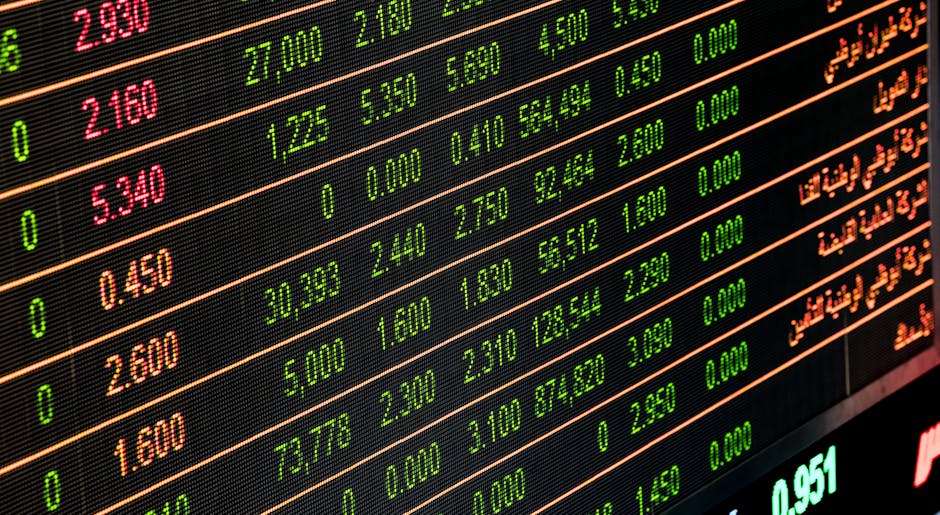
Asian equity markets surged to record highs this week as investors bet on a potential resolution to the Iran conflict, with MSCI's broadest index of Asia-Pacific shares outside Japan rising approximately 1% and gaining roughly 7% for the week so far. The rally reflects growing market optimism about geopolitical de-escalation, though no confirmed settlement has been announced.
The sharp weekly gain underscores how heavily regional markets have been weighing the economic costs of the ongoing conflict and the potential benefits of restored stability. Investors appear to be positioning portfolios ahead of what they hope will be a peace agreement that could reopen critical shipping lanes and normalize energy markets disrupted by the war.
Market Response to Peace Speculation
The movement was described in Reuters' Iran Briefing context and was tied to optimism about a possible de-escalation or resolution rather than to any confirmed settlement. This distinction is significant, as markets are pricing in expectations that may or may not materialize into concrete diplomatic outcomes.
The dollar wobbled amid the equity surge, suggesting investors are rotating out of safe-haven assets and into riskier emerging market positions. Currency movements of this nature typically indicate that market participants believe the worst-case scenarios for regional stability may be receding, though the lack of confirmed peace terms introduces considerable uncertainty into these positions.
Record Highs Amid Uncertainty
MSCI's broadest index of Asia-Pacific shares outside Japan hitting record highs represents a remarkable turnaround from the market anxiety that characterized earlier phases of the Iran war. The 7% weekly gain ranks among the strongest performances for the index in recent years, demonstrating both the depth of previous market concerns and the intensity of current optimism.
The rally has been broad-based across the Asia-Pacific region, with investors apparently willing to look past ongoing geopolitical risks in favor of potential economic normalization. However, the gains remain vulnerable to any setback in diplomatic efforts or renewed military escalation that could quickly reverse market sentiment.
The concentration of gains in a single week also raises questions about market sustainability. Rapid rallies driven by speculation rather than confirmed developments can create volatility risks, particularly if peace negotiations stall or fail to produce the comprehensive settlement that markets appear to be anticipating.
Why This Matters:
The 7% weekly surge in Asian equities demonstrates how heavily regional markets have discounted the economic costs of the Iran conflict and how quickly capital flows can reverse when investors perceive reduced geopolitical risk. For businesses and investors, the rally presents both opportunities and risks, as positions built on speculation about an unconfirmed peace deal could face sharp corrections if diplomatic efforts falter. The record highs also reflect the substantial economic value that free navigation and stable energy markets represent for Asia-Pacific economies, underscoring why swift resolution of the conflict serves clear commercial interests. However, the gap between market optimism and diplomatic reality highlights the dangers of premature positioning, particularly when substantial capital has moved based on hopes rather than confirmed outcomes. The dollar's weakness against this backdrop suggests global investors are reassessing risk premiums across emerging markets.