
Albanese's flagship industry policy delivered no funding to business last year. Meanwhile, billions of dollars in support for struggling smelters bypassed the very framework designed to test whether taxpayer investment was warranted.
That's the picture emerging from a week in which federal energy and industry policy faces questions on several fronts at once.
The Policy Gap
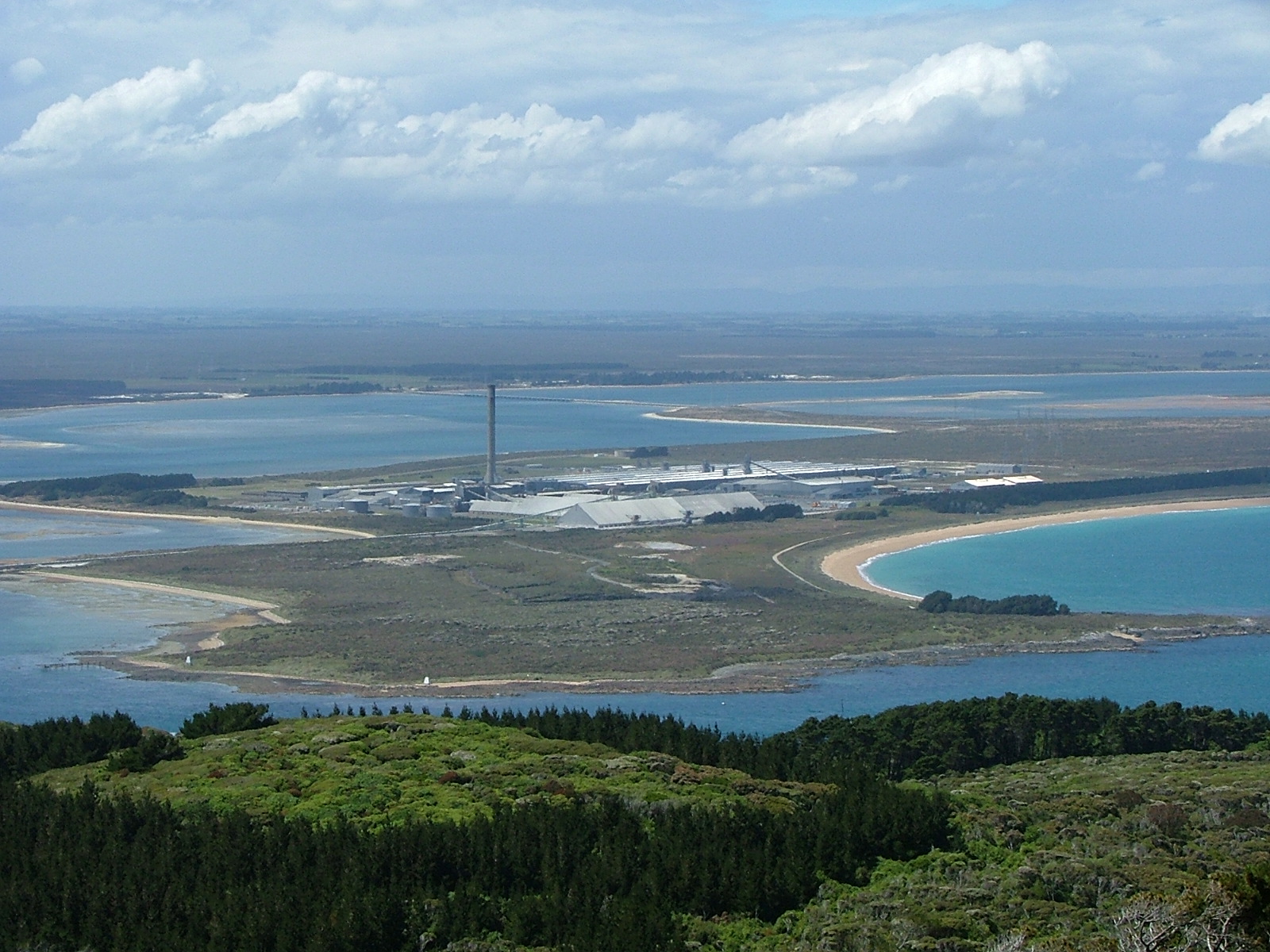
The Future Made in Australia laws were built to assess whether public money deserves to flow to private industry. Last year, according to the report, the program paid out nothing to business. Yet smelter rescues in Queensland, NSW and Tasmania, worth billions, didn't go through the assessment framework at all.
Industry Minister Tim Ayres dismissed the concern. He said it was "pretty hard" to suggest the smelter bailouts did not qualify for help.
That answer sidesteps the underlying question. A formal assessment exists to answer it on the public record, not by ministerial judgment after the fact. When the largest commitments of taxpayer money skip the process while the process itself delivers nothing, the framework starts to look like a showpiece rather than a safeguard. Workers in smelter communities have a real stake in these decisions. So do the taxpayers footing the bill.
Setting Standards for the AI Boom
A second test is coming from a different direction. Federal parliament will make a series of important decisions over the coming months that will help define national standards for large artificial intelligence data centres.
The stakes are considerable. Australia is competing for some of the largest capital investments ever made, as the hyperscalers and AI labs decide where to build, according to one opinion piece. The same piece puts the challenge plainly: "We need to think seriously about how Australia participates in the AI revolution because the choices we make now will shape our society, economy, and environment for many decades ahead."
Those standards will decide who carries the costs of an industry that consumes enormous amounts of power. Rules written now can set expectations on energy use and environmental impact before the concrete is poured. Rules written later, after the investment has landed, rarely bite as hard.
COP31 and a Consolation Prize
Prime Minister Anthony Albanese will join climate and energy minister Chris Bowen at the United Nations' "Conference of the Parties" (COP31) in what one report calls the "Turkish Riviera." Albanese arrives fresh from meeting King Charles III in the Caribbean.
Bowen holds the newly created role of "President of Negotiations" for the formal talks between almost 200 nations participating this year. The report describes the title as a consolation prize for Australia losing its bid to host COP31 to Turkey.
Still, the role puts an Australian minister at the center of talks among nearly 200 countries. Climate agreements only work when governments hold each other to account, and the person running the negotiating process has real influence over how ambitious the outcome becomes. Bowen now has to show that influence can be turned into commitments, not just communiqués.
Why This Matters:
Public money and public standards sit at the heart of all three stories. If billions in smelter support can bypass the assessment framework Parliament created, the rules meant to protect taxpayers become optional. Communities that depend on heavy industry deserve certainty, and the public deserves transparency about why some projects clear the bar and others never face it. The data centre decisions ahead carry the same lesson: standards set before investment arrives shape who benefits and who pays for decades. And at COP31, Bowen's negotiating role offers Australia a chance to push for collective action on climate. Whether these threads add up to accountable, coherent policy will depend on whether ministers submit big decisions to the scrutiny the laws promise.
- cop31
- anthony albanese
- chris bowen
- data centres
- artificial intelligence
- tim ayres
- future made in australia
- smelters