
A Melbourne mother of four who returned to Australia eight months ago after years in Syrian displacement camps now faces terrorism charges that could separate her from her children for up to two decades, highlighting the complex human toll of extremist recruitment and the government's response to families caught in conflict zones.
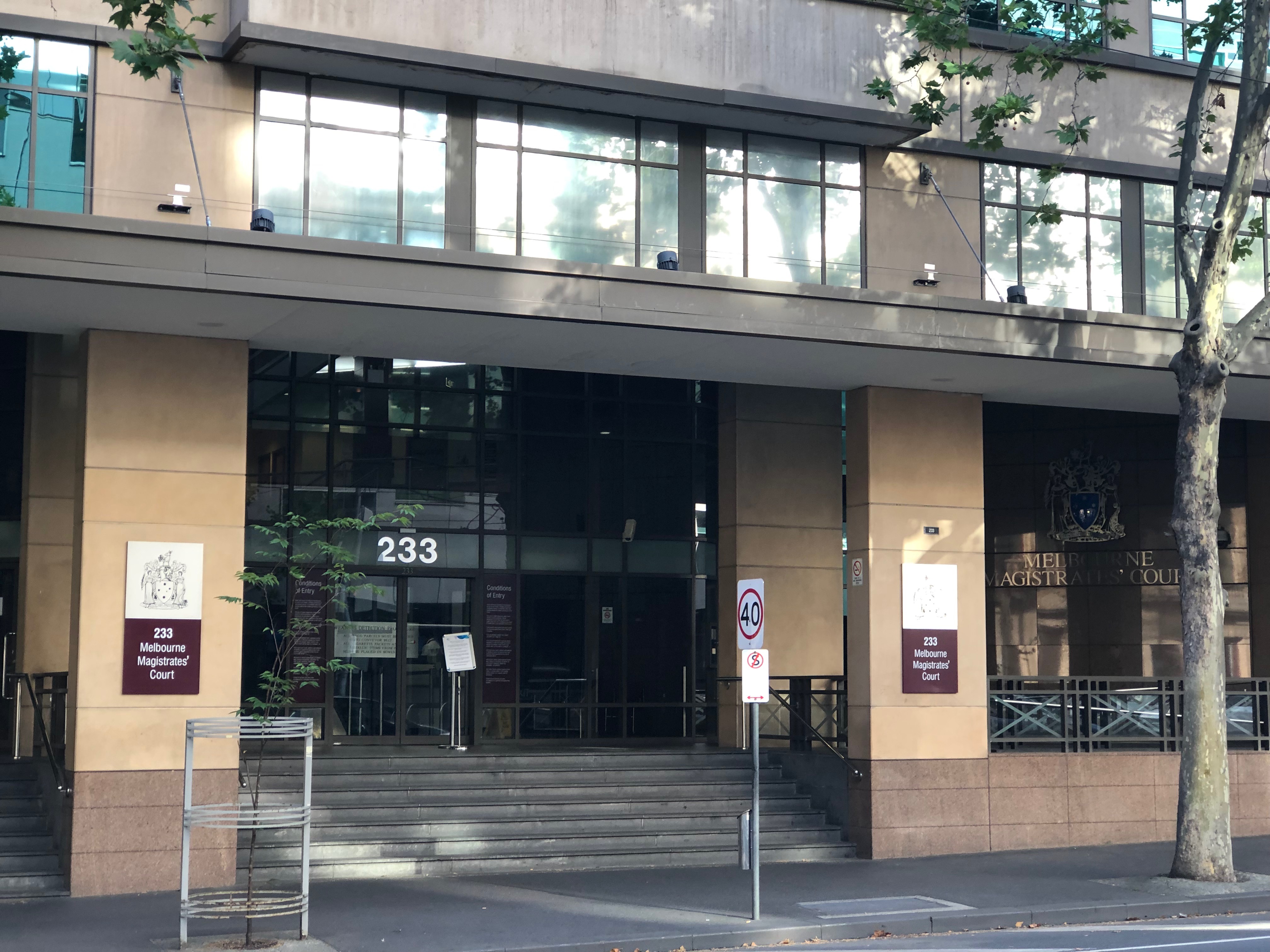
Rayann El Houli, 34, appeared in Melbourne Magistrates' Court on Thursday charged with entering a declared conflict zone and joining the Islamic State group. She wore a black niqab and was flanked by two prison officers as she faced charges that each carry a potential maximum sentence of 10 years in prison. Her arrest came eight months after she returned to Australia via Lebanon with her children and another woman.
Families Returning From Conflict Zones
El Houli's case is part of a broader pattern of Australian women and children returning from Syrian displacement camps. Her arrest came two days after seven women and 12 children linked to IS returned to Australia from a Syrian refugee camp against the wishes of the Australian government. Three weeks ago, four women and nine children in similar circumstances returned from the same Roj camp for displaced people, which is located near the area where the frontiers of Syria, Turkey and Iraq converge.
Three of the four women were charged on arrival with slavery and terrorism offenses and remain in custody. All the women who returned from Syria this month remained under police investigation. Another woman, who accompanied El Houli to Australia from Lebanon, also was under investigation, Australia Federal Police Deputy Commissioner Hilda Sirec said.
Police allege El Houli traveled to Syria between 2013 and 2014 to join IS. She was captured with her family by Kurdish forces in March 2019 after IS fighters were defeated and was placed in al-Hol camp for displaced people. She returned to Australia on Sept. 26, police allege.
Children's Welfare at Stake
Her lawyer Peter Morrissey told Magistrate Lisa Hannan that it was a priority to return El Houli, who suffers from PTSD, to her children. "The children are doing well in school, in (sports) programs, doing everything as best they can," Morrissey said. "They, too, have come from the camps and that's the reason for the haste," he added. Her bail application will be heard on Monday.
Other Cases Pending
Janai Safar, 32, of Sydney was charged with similar offenses when she arrived in Australia with her 9-year-old son on May 7. She must spend at least two months in a Sydney prison after a magistrate refused her application to be released on bail. Police allege she followed her IS-fighter partner to Syria in 2015 and had a child there. The partner reportedly died in 2017.
In a separate case highlighting alleged human rights abuses, Kawsar Ahmed, also known as Kawsar Abbas, and her daughter Zeinab Ahmed, 31, were charged in a Melbourne court on May 8 in relation to allegations that their family bought a female Yazidi slave for $10,000 in Syria, police said. The daughter is scheduled to apply for bail next week and the mother has a bail hearing scheduled for June 16.
Australia made it illegal for its citizens to travel to the former Syrian IS stronghold of Raqqa without a legitimate reason from 2014 to 2017. A period of time passing without charges does not indicate investigations have ceased, Sirec noted.
Why This Matters:
These cases reveal the lasting human consequences of extremist recruitment and armed conflict, particularly for children who spent their formative years in displacement camps and now face potential family separation as their mothers undergo prosecution. The charges underscore questions about how democratic societies balance security concerns with the welfare of children who had no choice in their circumstances, and whether prosecution strategies adequately address the trauma experienced by families who lived under extremist control. The allegations of slavery offenses against some returnees also highlight the severe human rights abuses perpetrated by IS, including the enslavement of Yazidi women and girls, crimes that require accountability while still considering the complex circumstances of those who lived in IS-controlled territory. How Australia handles these cases will shape policy on repatriation, child welfare, and justice for victims of extremist violence.