
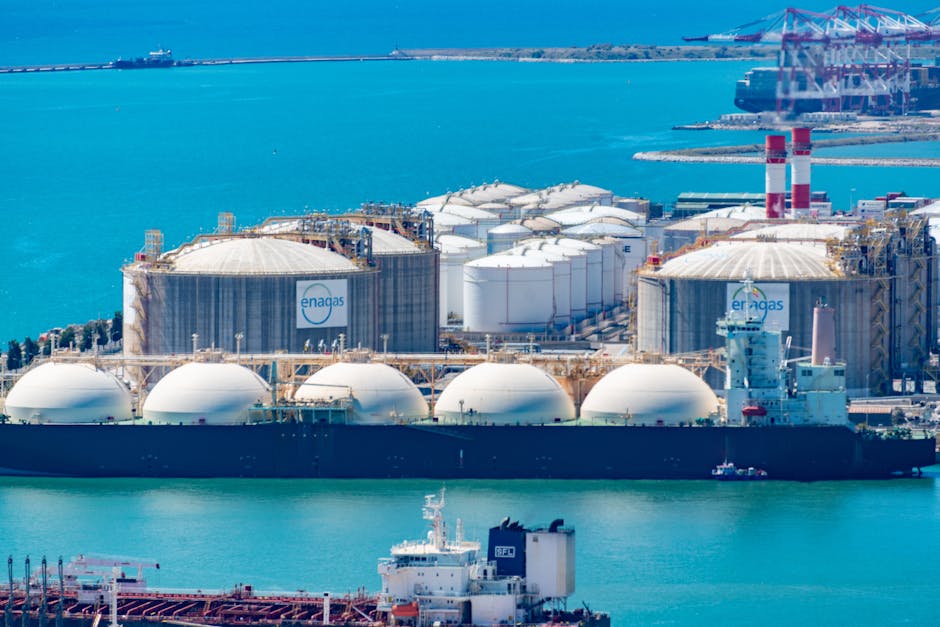
Japanese energy giant Inpex faces charges from Australia's Northern Territory environmental regulator over alleged under-reporting of toxic emissions from its Ichthys LNG plant near Darwin, highlighting ongoing concerns about corporate accountability in the fossil fuel sector.
The charges center on alleged licence breaches and the under-reporting of benzene and toluene emissions—both hazardous air pollutants linked to serious health risks including cancer and neurological damage. The action marks a significant enforcement move against one of the region's largest industrial operators.
Regulatory Action Against Major Energy Player
The Northern Territory regulator's decision to bring charges against Inpex represents a notable step in holding energy companies accountable for accurate environmental reporting. Benzene and toluene aren't minor pollutants. They're toxic chemicals that pose direct threats to workers and nearby communities when released into the air.
The Ichthys LNG plant, located near Darwin, is a major liquefied natural gas facility operated by the Japanese energy company. Its operations have significant environmental footprints, making accurate emissions reporting essential for public health monitoring and regulatory compliance. When companies under-report emissions, they undermine the entire framework designed to protect communities from industrial pollution.
What the Charges Mean
The alleged licence breaches suggest systemic failures in Inpex's environmental compliance systems. These aren't clerical errors—they're potential violations of the legal obligations that come with operating large-scale industrial facilities in Australia. The charges raise questions about whether the company prioritized operational convenience over its duty to accurately disclose environmental impacts.
This enforcement action reflects broader tensions in Australia's energy sector, where regulators face pressure to balance economic development with environmental protection and community health. The country's reliance on LNG exports has created massive revenue streams, but it's also generated ongoing debates about the true costs of fossil fuel infrastructure.
The Broader Context
Accurate emissions reporting isn't just bureaucratic box-ticking. It's the foundation for understanding the real environmental and health impacts of industrial operations. When companies fail to report toxic emissions accurately, communities can't assess the risks they face, and regulators can't enforce protective standards effectively.
The action represents regulatory enforcement related to emissions reporting in the Australian energy sector, signaling that authorities are willing to pursue legal action when companies allegedly fall short of their obligations. For communities living near major industrial facilities, this kind of enforcement matters deeply—it's about whether the rules designed to protect them have any teeth.
Why This Matters:
This case underscores the essential role of environmental regulation in protecting communities from industrial pollution. When energy companies under-report toxic emissions like benzene and toluene, they don't just violate legal requirements—they potentially expose workers and nearby residents to health hazards without their knowledge. Effective enforcement sends a message that accurate environmental reporting isn't optional, even for major economic players. For Australia's energy sector, which generates substantial export revenue while facing mounting pressure to address climate and pollution concerns, this action tests whether regulatory frameworks can actually hold powerful corporations accountable. The outcome will influence how seriously other operators take their reporting obligations and whether communities can trust the data meant to protect their health.