
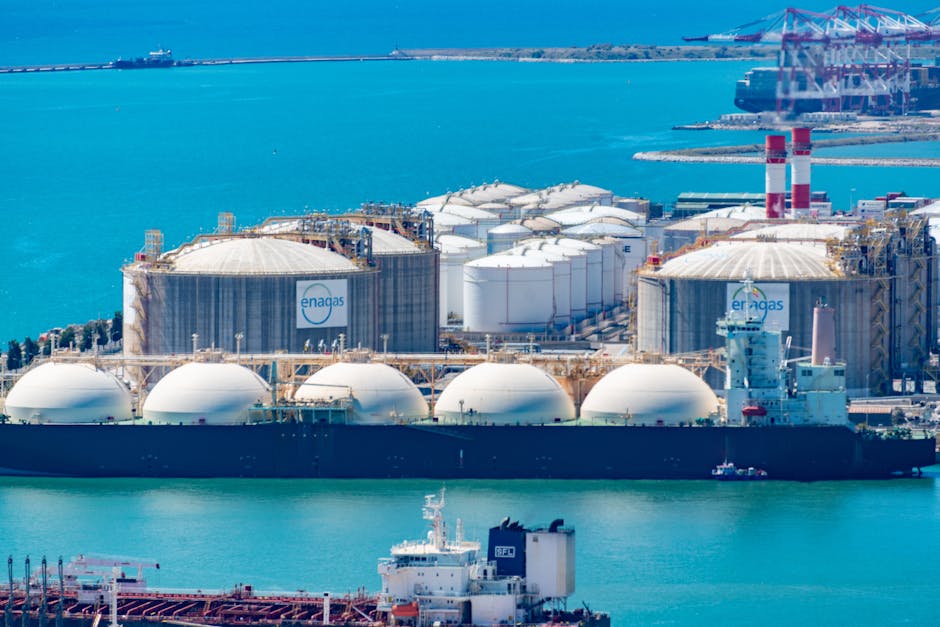
Japanese energy giant Inpex faces charges from the Northern Territory environmental regulator for allegedly under-reporting emissions from its Ichthys LNG plant near Darwin. This action targets the concealment of industrial byproducts, not the cessation of their production. The charges specifically cite alleged license breaches by the company.
Inpex stands accused of failing to accurately report emissions of benzene and toluene. These substances were allegedly under-reported from the Ichthys LNG facility, a major site of resource extraction. The regulator's intervention focuses on the integrity of corporate disclosures, a critical component of maintaining public trust in the extractive industries.
Capital's Cost-Cutting
Under-reporting emissions allows corporations to avoid the costs associated with full compliance. It's a direct mechanism for protecting profit margins. The alleged breaches by Inpex highlight how capital often prioritizes short-term financial gains over transparent environmental accounting. The Ichthys LNG plant, a significant operation, generates substantial revenue for Inpex.
Such alleged actions represent a form of cost externalization. By obscuring the true scale of emissions, companies like Inpex can defer or diminish expenses related to pollution control, mitigation, or potential penalties. This systematic under-reporting functions to maximize surplus extraction from natural resources. It keeps operational costs low, directly benefiting shareholders and executives.
The State's Role
The Northern Territory environmental regulator's charges against Inpex constitute regulatory enforcement within the Australian energy sector. This type of state action serves to manage the contradictions inherent in a system that permits extensive resource extraction. It addresses symptoms, not root causes.
The state, through its regulatory bodies, intervenes when corporate actions threaten the system's legitimacy. These charges are about reporting accuracy, not about challenging the fundamental right of Inpex to operate the LNG plant or extract resources. Such enforcement actions often result in fines, which are absorbed as a cost of doing business, rather than fundamentally altering corporate behavior or the extractive model itself. The focus remains on compliance with reporting standards, not on the broader environmental impact of industrial operations. This approach allows the state to appear responsive while preserving the underlying economic structure that benefits large energy corporations.