
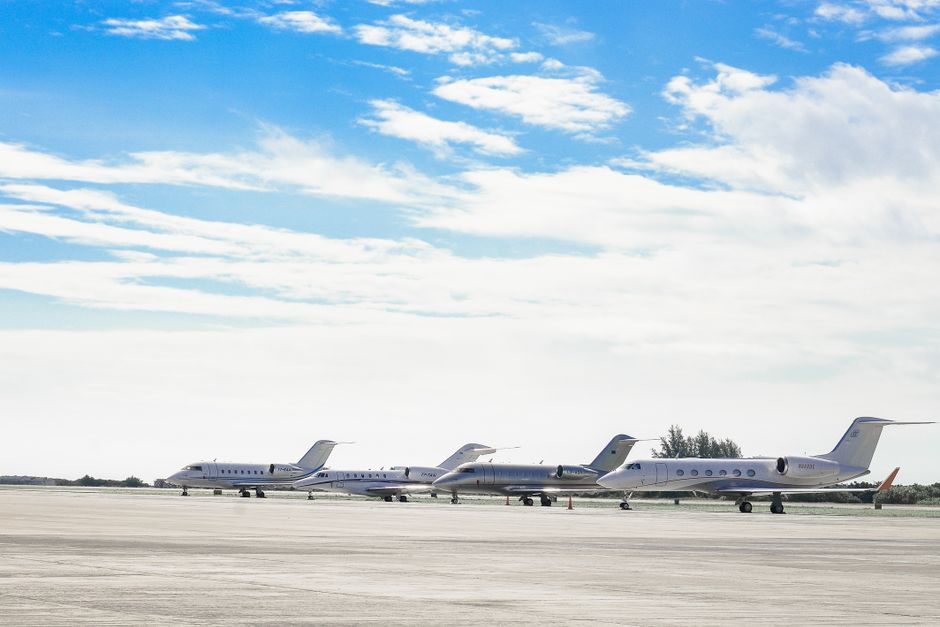
Hundreds of Australian Rules Football fans will once again fly their private planes to the remote William Creek Hotel, located on the famed Oodnadatta Track, for the AFL Grand Final. This annual gathering, 1500 kilometers from the Melbourne Cricket Ground, is a stark demonstration of concentrated wealth, where distance and the cost of private air travel pose no barrier to leisure for a select few.
A Display of Capital
Every year on Grand Final day, these hundreds of individuals converge on the isolated William Creek Hotel, transforming a remote outpost into a temporary private airfield. The act of owning, operating, and flying private aircraft to such a distant location underscores the significant capital required to participate in this exclusive tradition. It isn't merely a trip; it's an annual expenditure of resources far beyond the reach of most Australians.
The event, described in some circles as "Australia's Best AFL Grand Final Party," is inherently inaccessible to the vast majority of football enthusiasts. Participation demands not only the outright ownership of an aircraft, but also the continuous financial capacity for its fuel, maintenance, and hangar fees. These costs are compounded by the expenses of travel and accommodation in a remote locale, creating a barrier that effectively filters out all but the most affluent.
William Creek pilot Trevor Wright is identified as one such participant, his presence reinforcing the demographic able to engage in this annual ritual. The collective presence of hundreds of individuals like Mr. Wright points to a substantial pool of accumulated wealth, consistently deployed for high-cost recreational pursuits. This annual migration of private planes serves as a visible marker of economic stratification, where leisure is directly proportional to capital.
Leisure for the Few
The Oodnadatta Track, a remote stretch of land, becomes a temporary hub for private aviation during this event, effectively privatizing a portion of the commons for exclusive use. This transformation highlights how collective spaces, even those far removed from urban centers, can be co-opted for the specific leisure activities of those with significant accumulated capital. The infrastructure supporting such an event, from the airstrip to the hotel, caters to this specific, high-spending clientele.
The 1500-kilometer distance from the Melbourne Cricket Ground, the traditional heart of the Grand Final, is overcome not through public transport or other accessible means, but solely by personal aircraft. This fact alone illustrates the chasm between the recreational opportunities available to those who command private planes and the limitations faced by the working populace, for whom such distances represent significant logistical and financial hurdles. The "hearty" celebration mentioned in reports is thus framed by the extraordinary means of its participants, a celebration enabled by the systematic accumulation of wealth that allows for such extravagant displays of personal mobility and leisure.
The William Creek Hotel, the destination for these airborne revelers, directly benefits from this annual influx of high-net-worth individuals. Its continued operation and profitability are tied to its ability to cater to such an exclusive, capital-intensive form of tourism. This symbiotic relationship between leisure capital and remote hospitality further solidifies the economic structure that enables such events to flourish, year after year.