
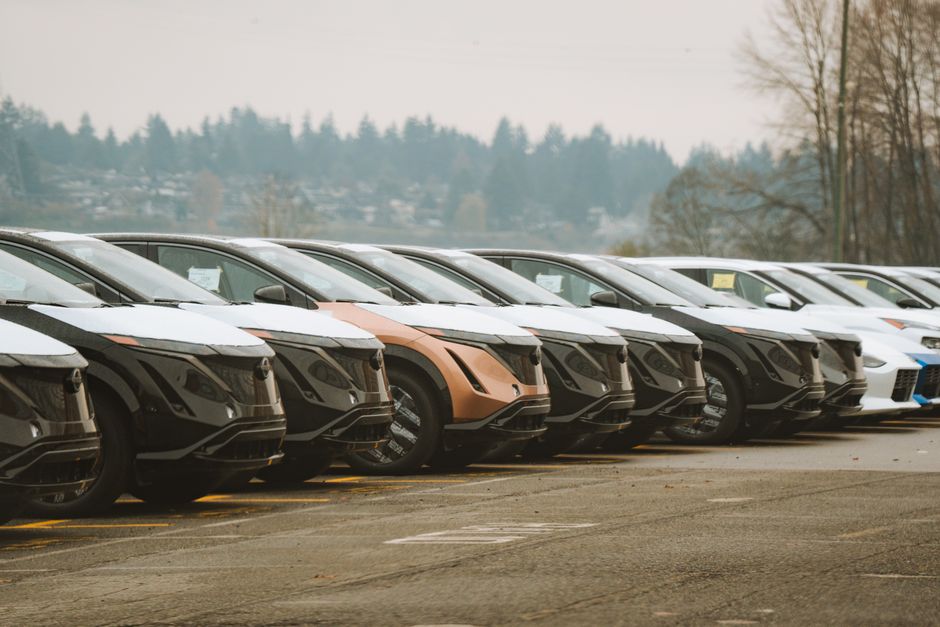
Australia's electric vehicle market surged to record levels in the second quarter of 2026, driven primarily by soaring fuel prices rather than government subsidies that have ballooned to nearly fifteen times their original cost projections. New EV purchases doubled in the three months to June 30, with nearly one in every two new vehicles sold classified as either electric or hybrid.
The Australian Automobile Association's data reveals fully electric vehicles captured more than 21 per cent of market share, up from 12.25 per cent just six months earlier. It's the first time fully electric vehicles outperformed hybrid models, despite hybrids recording their second-highest share on record. Non-electric vehicle sales fell to 50.84 per cent of June quarter sales, down from 64.23 per cent.
Market Forces, Not Government Programs
The spike coincided with soaring fuel prices at the start of April following the war in Iran and the closure of the Strait of Hormuz at the end of February. Liberal deputy leader Jane Hume told Insiders the figures demonstrated the electric vehicle market doesn't need more government subsidies, which she said had "run out of control." She said, "I think that's the market speaking with its feet, and probably why we don't necessarily need more subsidies on electric vehicles." Hume added, "Unfortunately, the subsidy program that's been run by this government has run out of control, and it's costing Australians more and more."
The criticism comes as the government's EV tax discount scheme has exceeded projections by staggering margins. Introduced to consumers at the start of 2023, the program made electric vehicles thousands of dollars cheaper through an exemption to fringe benefit tax. As of May, the scheme was expected to cost $1.35 billion this year alone. That's well above the initial forecast of $90 million.
Winding Down the Subsidy
In May's federal budget, the government announced a slow winding down of its tax discounts for EV buyers, which will save $1.7 billion over four years. From April next year, the tax exemption will still apply to electric vehicles costing less than $75,000, but those above that threshold will only get a 25 per cent discount on the fringe benefits tax. From April 2029, all electric vehicles below the luxury car tax threshold will receive a 25 per cent tax discount.
Climate Change Minister Chris Bowen has previously said the government was scrapping the discount because it had done its job, creating a boom in EV uptake that has driven investment in charging stations and other infrastructure. With more Australians driving EVs, car dealers are now calling on the federal government to update Australian Consumer Law to better protect Australians who purchase EVs from manufacturers overseas.
Why This Matters:
The dramatic cost overrun of Australia's EV subsidy program illustrates the fiscal risks of government market interventions that lack proper constraints. What began as a $90 million annual program ballooned to $1.35 billion, forcing taxpayers to shoulder costs fifteen times higher than projected. The fact that EV sales surged primarily in response to fuel price increases rather than subsidies suggests the market was already moving toward electric vehicles without expensive government inducements. The government's belated decision to wind down the program will save $1.7 billion over four years, but questions remain about accountability for the massive fiscal miscalculation. As Australia faces broader budget pressures, the EV subsidy debacle serves as a cautionary tale about the unpredictable costs of well-intentioned but poorly designed tax breaks.