
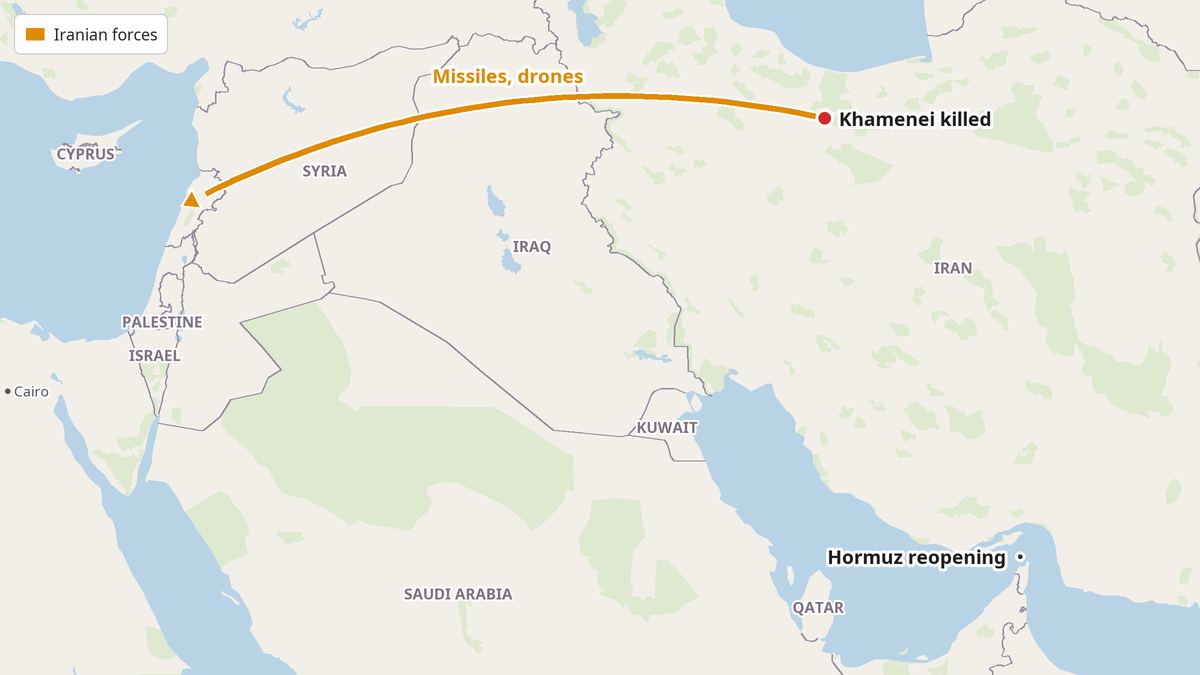
Iran continues to target vessels it claims are violating its conditions for transit through the Strait of Hormuz, even as negotiations to end the US-Iran conflict remain largely stalled after months of deadlock. That's the starting point for any honest read of where diplomacy stands. A regime that sets its own toll rules on one of the world's critical waterways, and fires on ships that ignore them, isn't negotiating from a posture of restraint.
The Pressure Campaign
Washington has answered with economic and military pressure. The US is ramping up sanctions against Iran and continues to blockade Iranian ports, with plans to block Iran's land-based supply routes as well. The sanctions follow the collapse of a June memorandum of understanding, which fell apart about five months ago.
The war itself is about nine months old. Middle East Eye described it as US-Israeli attacks that began in February; Al Jazeera called it an eight-month conflict. The costs haven't stayed within Iran's borders. The US's Gulf allies bore the brunt of Iran's retaliation, with the UAE, Qatar, Bahrain, and Kuwait facing thousands of missile and drone strikes.
Tehran's Terms
Back in September, about two months ago, Iran proposed a seven-day plan to reopen the Strait of Hormuz and restart talks. Tehran has since said that timeline could be brought down to two days. The offer looks accommodating until you read the price tag. Iran's demands for the US include lifting the sanctions imposed after the June memorandum collapsed, reducing the US military presence in the region, reinstating oil waivers and releasing frozen Iranian funds.
In other words, Tehran wants to be paid to stop disrupting a waterway it shouldn't be disrupting at all. Secretary of State Rubio called the current demands "totally unrealistic." He didn't close the door. "We expect that could change – and if it does, we're prepared for diplomacy," he said, adding that the US remains "open to diplomacy."
Mediation and Mixed Signals
Qatar is trying to bridge the gap. Its Ministry of Foreign Affairs said Tuesday that Doha is "working tirelessly" in its mediation efforts and has received positive reactions from both sides. The day before, after hosting Qatar's prime minister at the White House, Trump spoke of "momentum towards the end of this conflict." He added that "Iran is talking to us, and they're talking very politely."
Tehran's own messaging was less warm. Iranian officials appeared more sceptical of the latest reports of mediation, insisting the US must accept their demands. Foreign Minister Abbas Araghchi said Tuesday the war will "not end either through military means or by increasing sanctions," but only through "using the language of respect," in comments carried by IRNA. Al Jazeera's Mohamed Vall, reporting from Tehran, said Iran's language has become "more confident than ever before."
That confidence is worth weighing against the facts on the table. Iran is under a port blockade, faces expanding sanctions, and is still demanding that Washington pull back, pay up and unfreeze assets before it reopens a strait that international shipping depends on.
Why This Matters: The Strait of Hormuz is a chokepoint, and Iran has shown it will use access to it as leverage. The Gulf states that absorbed thousands of missile and drone strikes have a direct stake in whether any deal leaves that leverage intact. A settlement that rewards Tehran with sanctions relief and a reduced US military presence, without guarantees on transit, would invite the same tactics again. From a security standpoint, the harder question isn't whether talks happen. It's whether Iran's pressure campaign on shipping is ever priced in as a cost rather than rewarded as a bargaining chip.
- us-iran conflict
- strait of hormuz
- iran sanctions
- qatar mediation
- diplomacy
- donald trump
- abbas araghchi
- persian gulf