
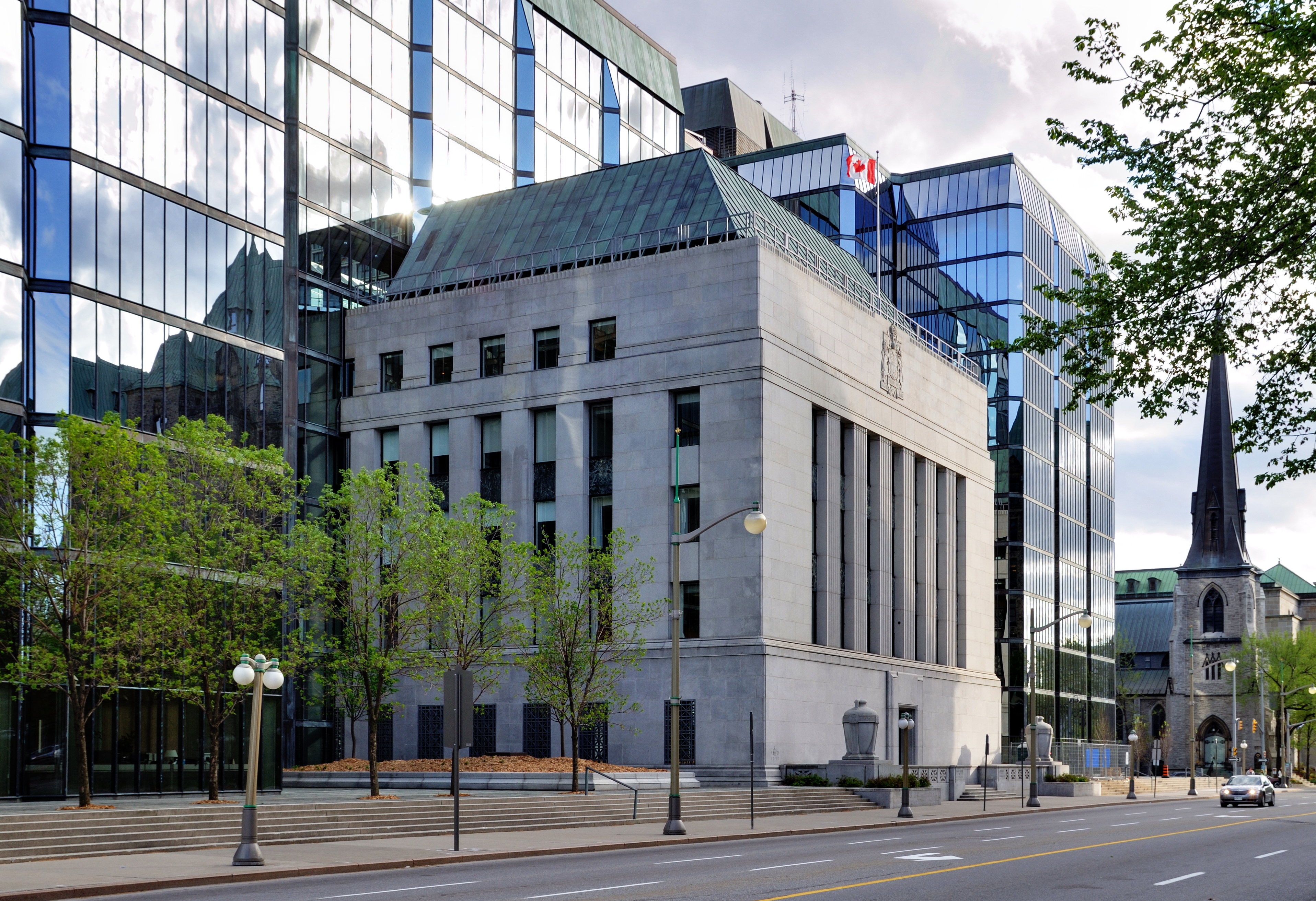
The Bank of Canada is widely expected to keep its main interest rate unchanged on the policy decision day as deterioration in Ottawa-Washington trade ties weighs on the policy outlook. Ordinary people don’t get a vote in that room. The people who do sit inside the central banking apparatus are weighing the economic spillovers from a worsening trade conflict with the United States while preparing to hold rates steady.
Who Decides, Who Pays
Policymakers are considering the fallout from the trade conflict with the United States. That’s the language of the top floor: “spillovers,” “policy outlook,” and a steady hand on the rate lever. Down below, the consequences land in wages, prices, jobs, and the daily grind of people who never asked to be collateral in a trade fight between states.
The Bank of Canada’s main interest rate is expected to stay unchanged on the policy decision day. That decision, or non-decision, comes as Ottawa-Washington trade ties deteriorate. The institution presents itself as calm and technical. The reality is simpler. A small circle of policymakers gets to shape the terms of economic life for everyone else, then calls it prudence.
The Trade Conflict at the Top
The article says policymakers are considering the economic spillovers from the worsening trade conflict with the United States. That’s the whole machine in miniature: governments spar, markets shudder, and the central bank steps in to manage the damage without touching the structure that keeps ordinary people exposed to it.
There’s no hint here of mutual aid, no grassroots cushion, no horizontal response from below. Just the state and its financial managers trying to keep the system from wobbling too hard while trade relations fray. The language is bloodless, but the hierarchy is plain. Decisions made in Ottawa and Washington ripple outward, and the people at the bottom absorb the shock.
What the Bank Calls Stability
The Bank of Canada is “widely expected” to hold its main interest rate steady. That phrase does a lot of work. It signals consensus among the experts, the kind of manufactured calm that often passes for economic governance. The policy outlook is being shaped not by the needs of communities, but by the calculations of officials watching a trade conflict escalate across borders drawn and defended by power.
The base article gives no reform package, no public remedy, no democratic fix. Just a central bank preparing to keep rates where they are while the trade conflict with the United States worsens. That’s the familiar arrangement: institutions that answer upward first, then ask everyone else to live with the consequences.
The Bank of Canada’s move, or lack of one, sits inside a larger pattern of control. Trade ties deteriorate. Policymakers assess spillovers. Rates stay unchanged. The language sounds neutral because it’s meant to. But neutrality is a costume here, and the people paying the price are the ones outside the room.
The policy decision day will bring the usual polished statement, the usual careful phrasing, the usual performance of expertise. Underneath it sits the same old hierarchy: a central bank guarding stability for a system already built to shift risk downward and keep authority upward.