
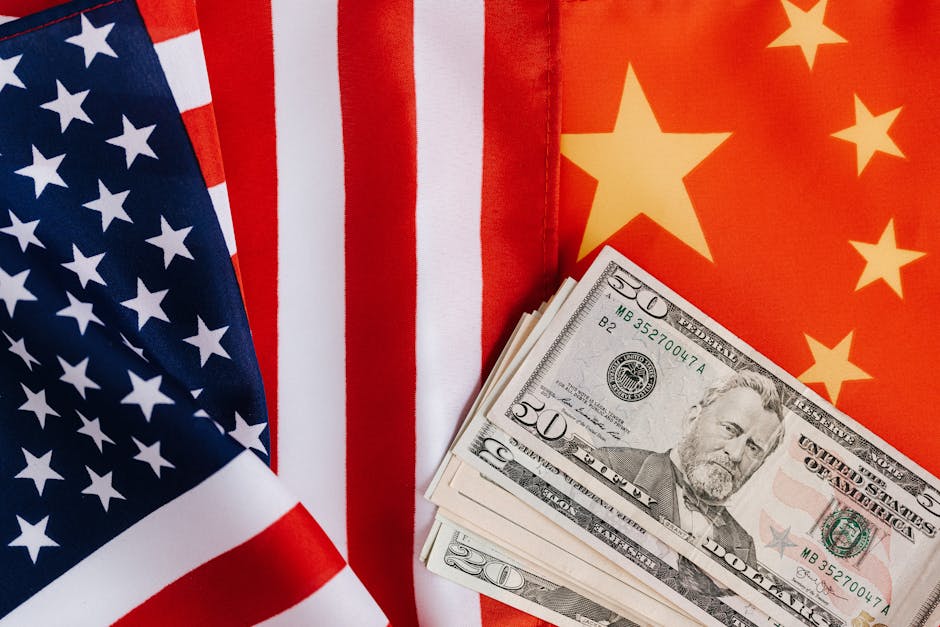
China's commerce ministry is soliciting input from companies, business associations and local governments on proposed reciprocal tariff reductions with the United States covering approximately $30 billion in trade, signaling a significant shift in the world's most consequential economic relationship.
The consultation process marks a concrete step toward implementing the trade truce reached late last year that halted the tariff war between the two largest economies. It's a development that could bring relief to businesses and workers on both sides of the Pacific who've borne the costs of years of escalating duties.
Framework Takes Shape
Teams from both countries have maintained close communication about the tariff reduction framework's arrangements and the structure, functions and operating model of their Board of Trade, according to Meng Huating, a commerce ministry official who spoke at a press briefing Thursday. The Board of Trade itself was agreed upon this year specifically to explore areas where the two nations could cut duties on goods worth some $30 billion.
China's commerce ministry said in May that agricultural products would be part of the tariff cut framework. That's particularly significant for American farmers who've faced retaliatory tariffs that disrupted longstanding export markets.
Public Input on Both Sides
China is widely soliciting opinions from domestic enterprises, business associations, local governments and U.S. business associations on relevant tariff reduction arrangements, Meng said. The consultation isn't one-sided. The U.S. is similarly seeking public opinions on tariff cuts, suggesting both governments recognize the need for stakeholder buy-in before finalizing any agreement.
The parallel consultation processes represent a more deliberative approach than the rapid-fire tariff escalations that characterized earlier phases of the trade dispute. Beijing and Washington will agree on specific arrangements as soon as possible and advance their implementation to further expand bilateral trade, Meng said.
What's at Stake for Workers and Communities
The $30 billion in trade covered by these potential tariff reductions represents real jobs and livelihoods in both countries. Tariffs function as taxes that raise prices for consumers and increase costs for manufacturers who depend on imported components. When duties go up, working families pay more at the checkout counter and businesses face harder choices about hiring and investment.
For American agricultural communities especially, access to Chinese markets has been a flashpoint. Retaliatory tariffs hit farmers hard, requiring government bailouts that proved less effective than stable market access. Any framework that includes agricultural products could restore some predictability to rural economies that have weathered years of volatility.
The consultation process itself matters. By seeking input from businesses, workers' representatives and local governments rather than imposing arrangements from above, both countries are acknowledging that trade policy works best when it reflects the needs of those it affects most directly.
Why This Matters:
Trade policy decisions ripple through communities in ways that aren't always visible in aggregate economic statistics. The tariff war between the U.S. and China raised costs for consumers, disrupted supply chains that businesses spent decades building, and forced workers and farmers to absorb economic shocks beyond their control. A $30 billion tariff reduction framework won't reverse all that damage, but it represents a shift toward managed economic relations rather than escalating conflict. For working families who've paid higher prices, for manufacturers squeezed by input costs, and for farmers who lost export markets, these negotiations matter enormously. The consultation process suggests both governments understand that sustainable trade arrangements require public legitimacy, not just diplomatic agreements. Whether this framework delivers meaningful relief depends on the details still being negotiated and the breadth of products ultimately covered.