
Lebanon's pursuit of a lasting peace agreement with Israel faces mounting obstacles as Israeli forces continue military operations in the country's south, despite a 45-day cease-fire extension that leaves fundamental questions about withdrawal unresolved and communities displaced.
The cease-fire extension announced on May 17, 2026, responds to Beirut's demand for continued political-military talks but fails to address Lebanon's core concern: securing Israel's commitment to withdraw from southern Lebanese territory. Without such a commitment from Jerusalem, Lebanese officials warn that meaningful progress toward ending the decades-long state of war remains out of reach.
A Limited Cease-Fire With Devastating Consequences
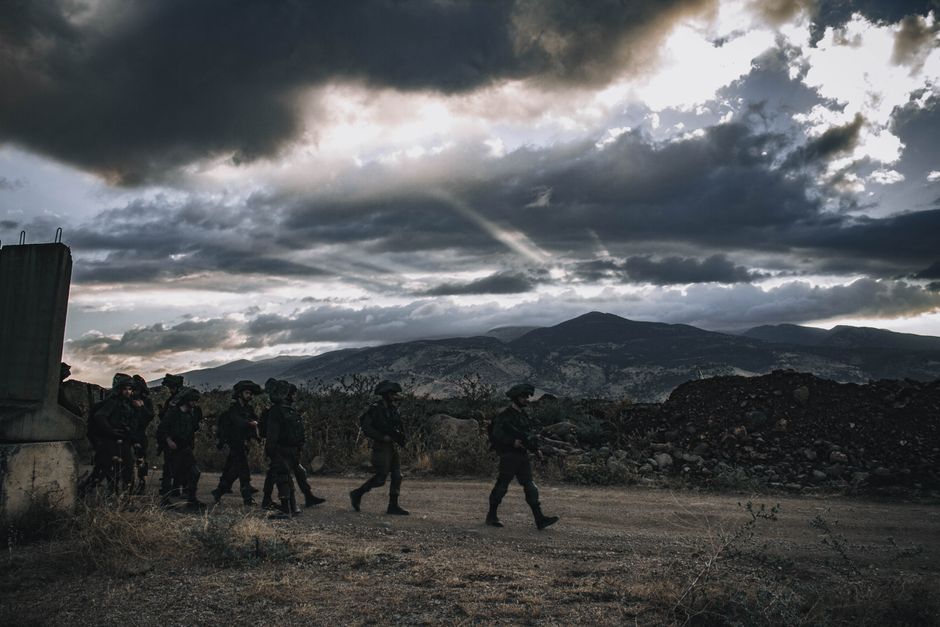
The current arrangement, operating under restrictions imposed by the Trump administration, creates an asymmetric reality on the ground. While Israel is prohibited from bombing Beirut and the Bekaa Valley, it retains freedom to strike Hezbollah targets in the south, raze villages, displace residents, and maintain a garrison presence in what Israeli forces describe as an expanding "security zone."
Beirut officials increasingly fear that Israel is implementing what they characterize as a "Gaza model" for South Lebanon—a prolonged military occupation that destroys communities while avoiding the international scrutiny that accompanies strikes on major population centers. This approach effectively continues the war while technically observing cease-fire terms that protect urban areas but leave rural communities vulnerable.
Displacement and Destruction Mount
The human cost of this arrangement falls disproportionately on residents of southern Lebanon, who face ongoing displacement as Israeli forces demolish villages and expand their operational footprint. The cease-fire extension does nothing to halt these operations or provide protection for civilians attempting to return to their homes.
Lebanon seeks an agreement that would formally end the decades-long state of war with Israel, but the current framework amounts to what critics describe as a prolonging of conflict under different terms—one that permits systematic destruction of communities while preventing the broader escalation that might draw international intervention.
External Interference Threatens Fragile Process
Complicating an already difficult situation, Iran is reportedly working to undermine whatever progress exists in the Israeli-Lebanese talks. This external interference adds another layer of instability to negotiations that already face significant structural obstacles, including Israel's reluctance to commit to withdrawal and the Trump administration's framework that enables continued military operations in southern Lebanon.
The 45-day extension provides a temporary reprieve from full-scale conflict but offers little hope for the comprehensive peace agreement Lebanon seeks without addressing the fundamental issue of Israeli withdrawal from occupied southern territory.
Why This Matters:
The situation in southern Lebanon reveals how cease-fire frameworks can perpetuate conflict when they fail to address underlying power imbalances and occupation. Residents of southern Lebanon bear the burden of an arrangement that protects urban centers while permitting the destruction of their communities and livelihoods. Without Israeli commitment to withdrawal, the decades-long state of war continues under a different name, with displacement and demolition replacing aerial bombardment as the primary tools of military control. The comparison to Gaza underscores Lebanese fears that their country's south faces transformation into another zone of permanent insecurity and humanitarian crisis. International frameworks that permit such asymmetric arrangements risk normalizing occupation while providing cover through technical compliance with limited cease-fire terms. The involvement of external actors like Iran further complicates prospects for genuine resolution, leaving vulnerable communities trapped between competing regional powers with little agency over their own futures.