
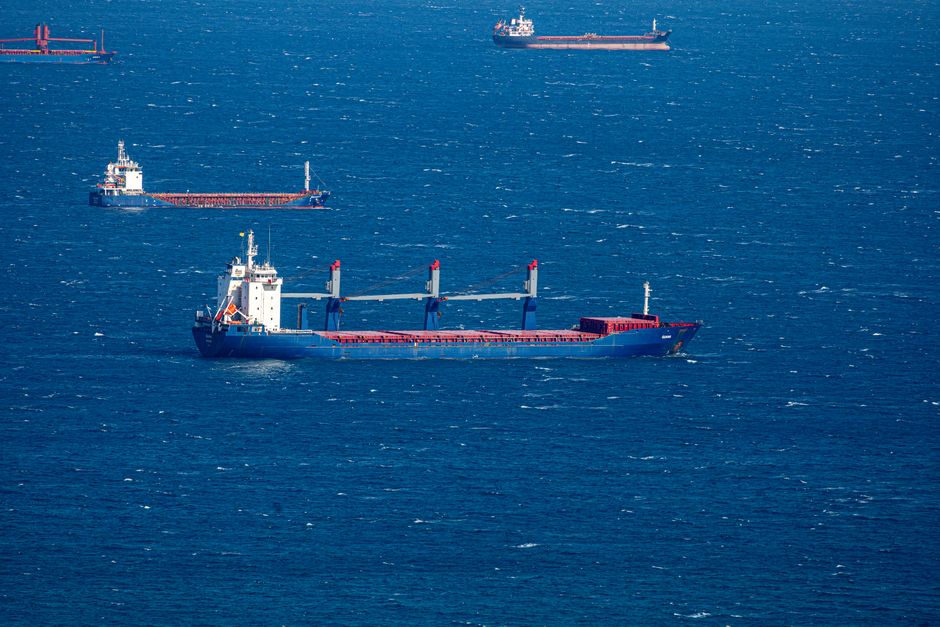
Greece has formally advised its Greek-flagged commercial ships to upgrade security measures when navigating the Black Sea. This directive, issued through a shipping ministry advisory seen by Reuters, comes after a recent surge of attacks on tankers. It underscores the escalating dangers faced by national economic interests in a region destabilized by transnational conflict.
Two Greek-operated tankers, the ASIA, managed by Dynacom, and the NISSOS IOS, owned by Kyklades Maritime Corp, were directly targeted with sea drones four days ago. These attacks occurred during crucial loading operations at the Caspian Pipeline Consortium, a vital 940-mile oil pipeline. A third Greek-operated vessel also suffered an attack in the same area, according to the July 21 advisory. The Caspian Pipeline Consortium is a critical artery. It accounts for approximately 80% of Kazakhstan's oil exports, highlighting significant economic infrastructure now under direct threat.
National Interests Under Threat
The attacks are part of a broader escalation in the region. Ukraine and Russia have intensified their assaults on vessels and other facilities across the Black Sea and the Sea of Azov. This conflict, now in its fourth year since Moscow's invasion in February 2022, continues to undermine the stability essential for national trade and the safety of seafarers. Greek-operated ships constitute one of the world's largest fleets of tankers. They're indispensable for trade throughout the Black Sea region. Their vulnerability directly impacts the national economy and the livelihoods of those connected to the maritime industry.
Just four days ago, a Russian missile struck a ship carrying corn near Ukraine's southern port of Odesa. It killed 10 people. This grim incident illustrates the deadly consequences of the ongoing hostilities, placing commercial shipping and its personnel in extreme peril. The advisory from Athens is a stark acknowledgment of the heightened risks.
The Unchosen Cost
"Taking into account the increased tension observed with attacks against commercial ships, it's recommended that all Greek ships in the wider region increase security measures," the July 21 advisory stated plainly. This recommendation forces Greek companies and their crews to bear the financial and human cost of a conflict they didn't choose. The Black Sea's waters, shared by Bulgaria, Georgia, Romania, and Turkey, alongside the warring nations of Russia and Ukraine, have become a dangerous zone for international commerce. The need for enhanced security measures represents an additional burden on national shipping. It's diverting resources that could otherwise contribute to economic growth and stability. The continuous disruption of established trade routes and the direct targeting of commercial vessels signal a dangerous precedent for national sovereignty over economic activity.
The escalating violence in these critical waterways demands a national response to protect Greek assets and citizens. The advisory serves as a clear indicator of the direct impact of geopolitical instability on the practical operations and safety of a nation's vital economic fleet.