
Investors snagged 5% yields on 30-year Treasuries for the first time since 2007, as surging energy prices push inflation and expectations for more of it higher. A $25 billion auction of new 30-year bonds on Wednesday was awarded at 5.046% based on the yields that bidders said they were willing to accept.
Who Gets the Rate, Who Gets the Bill
The U.S. government’s long-bond market just handed investors a 5% yield, the first time since 2007 that 30-year Treasuries have reached that level. The auction on Wednesday was for $25 billion in new 30-year bonds, and it cleared at 5.046% based on the yields bidders were willing to accept. That is the kind of number that tells you where the pressure is landing: on the public balance sheet, on future borrowing, and on everyone downstream from the Treasury apparatus.
The result was slightly above the level seen in trading immediately before the auction, and it showcased middling demand as U.S. government yields reached their highest levels in nearly a year. In the polite language of finance, that means the market was not exactly rushing to embrace the state’s debt at these prices. The auction still went through, of course, because the machinery keeps moving whether the appetite is strong or not.
Energy Prices, Inflation, and the Usual Squeeze
The base article ties the yield spike to surging energy prices, which are pushing inflation and expectations for more of it higher. That is the familiar chain: energy costs rise, inflation follows, and the financial system responds by demanding more from the public sector and, eventually, from ordinary people who live under the consequences of those decisions.
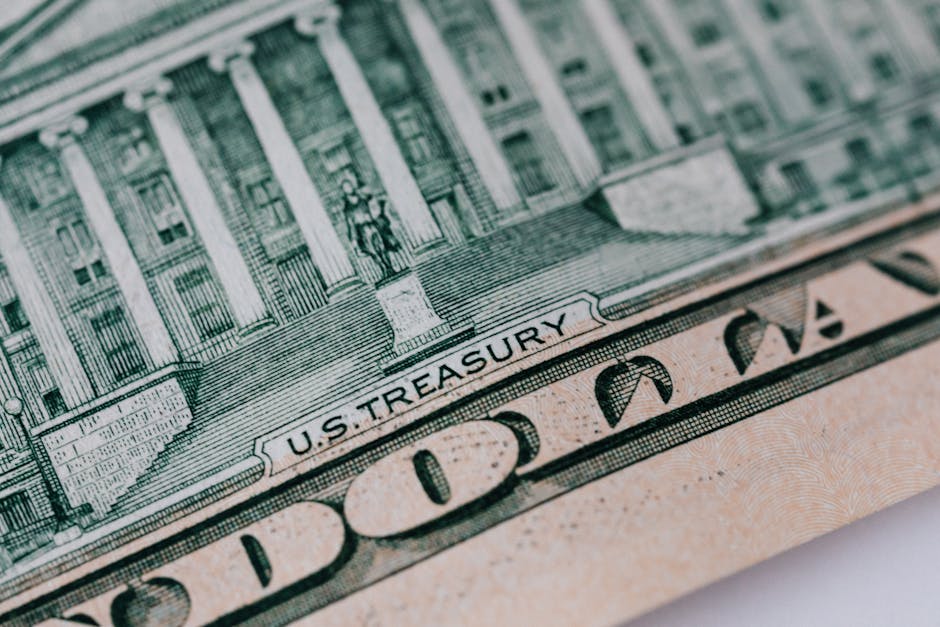
The Treasury building in Washington, D.C., was identified in the article’s photo caption, a tidy visual reminder of where these numbers are managed. The building stands in for the whole arrangement: a centralized state finance machine issuing debt, auctioning it off, and watching the market decide what it will tolerate.
The article does not mention workers, renters, or anyone else who will have to live with the effects of higher yields and higher inflation expectations. But the structure is plain enough. When government borrowing costs rise, the burden does not stay in the auction room. It gets passed through the system, where the people with the least power are always the ones expected to absorb the shock.
What the Auction Signaled
The auction’s 5.046% result matters because it marks a return to a level not seen since 2007. That is the benchmark the market chose, and the Treasury accepted it. The result was not a dramatic collapse, just a neat demonstration of how state finance and investor demand meet in the middle while everyone else is left to deal with the fallout.
The report says demand was middling. It says yields were at their highest levels in nearly a year. It says energy prices are driving inflation higher. Those are the facts, and together they sketch the same old hierarchy: the state borrows, investors price the risk, and the public gets the bill in whatever form the system decides to deliver it next.