
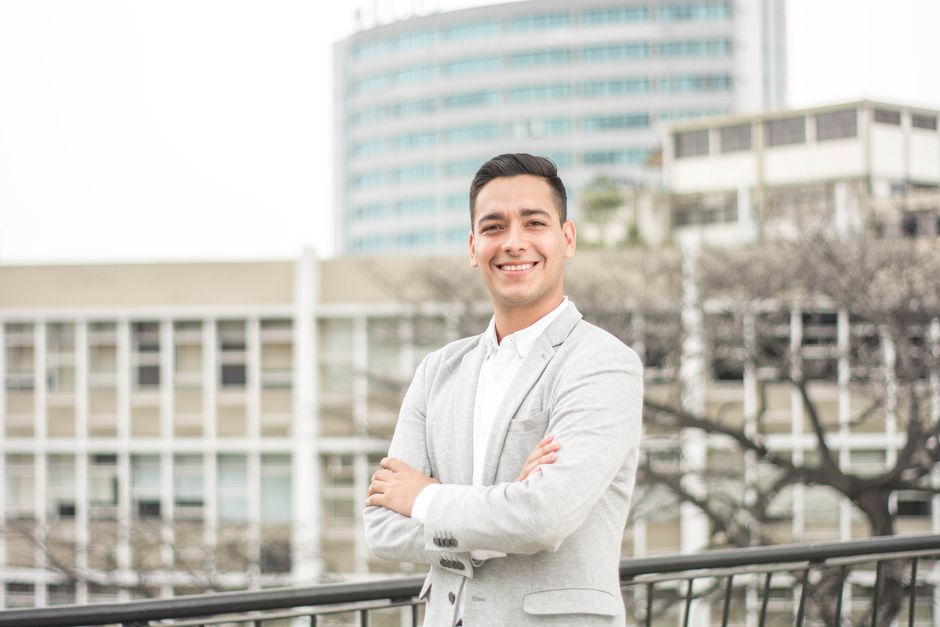
Aldo Quezada was arrested at his home in Santa Cruz on Wednesday, one day ago, on suspicion of drug trafficking and criminal association. Prosecutor Marcelo Inchausti announced it to reporters. The arrest follows a pattern now visible across the Andes: Washington names names, and local police show up at the door.
Quezada had resigned last month as chief justice of the Santa Cruz departmental court. He didn't resign because a Bolivian court found anything. He resigned after the United States put him on a visa restrictions list for alleged links to drug trafficking. A list compiled abroad did what no domestic process had managed.
Who Has the Power
In September, the Trump administration imposed "visa restrictions on twelve Bolivian nationals and their families," according to a statement by the US State Department. Note the phrase: and their families. The restrictions reach past the accused to relatives, who face no allegations in the base reporting at all.
The same policy has been applied elsewhere. The United States has also cancelled the visas of officials in Colombia, Ecuador and Peru. One government in Washington is deciding which officials in four countries get to travel, and those decisions are setting off arrests at home.
The crackdown is described as US-backed. Bolivian authorities say it targets officials involved in suspected cartel activity across Latin America. What the reporting doesn't describe is any independent Bolivian process that surfaced these names before Washington did.
The Pattern of Arrests
Quezada isn't the first. A number of senior Bolivian judicial officials have been arrested since September on suspicion of links to drug cartels. Among them is former Attorney General Roger Mariaca, arrested on September 30, about six weeks ago, on suspicion of money laundering and drug trafficking. Police found bundles of cash smuggled out of his house.
The officials now accused are the same people who ran the country's prosecutions and courts. Those institutions are supposed to be the neutral referees. Their top figures are now suspects, which tells ordinary Bolivians something about who the machinery of justice has actually been serving.
The Government Swap
Bolivia's conservative President Rodrigo Paz assumed office on November 8, 2025. He is now one year and four days in office, in the second year of his term. His arrival ended nearly 20 years of Movement for Socialism (MAS) governance, and he has sought closer ties to the US.
Paz has signed his country up to US President Donald Trump's "Shield of the Americas," a new US-backed security alliance for the Americas. Two decades of one party in power gave way to a conservative president, and the judiciary's top ranks are now being emptied by arrests that align with the new government's chosen patron. The ballot changed the occupant of the palace. It didn't change who holds the leash.
What the Reporting Doesn't Say
The base reporting contains no word from anyone who lives under these courts. No quote from a defendant in a Bolivian prison, a litigant who waited years for a ruling, or a neighborhood that watched cash flow past its doors. The voices available are a prosecutor, a State Department statement, and the facts of who got arrested and who gave the order. Powerful institutions investigating their own, at the direction of a foreign capital, is what this crackdown looks like from the outside.
- aldo quezada
- bolivia
- drug trafficking
- roger mariaca
- santa cruz
- visa restrictions
- marcelo inchausti
- money laundering