
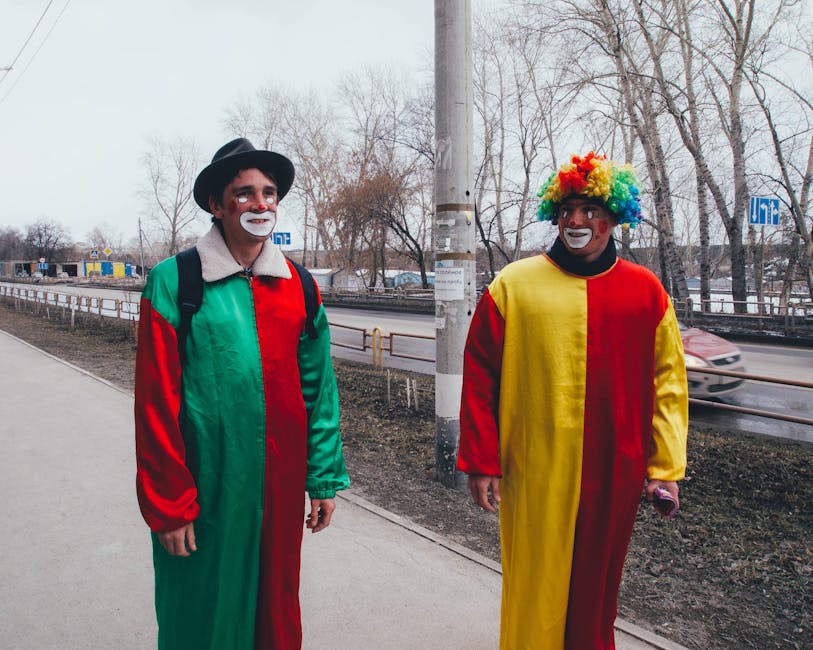
Today, in the streets of La Paz, Bolivia, a colorful and defiant spectacle unfolded as dozens of clowns—painted faces, oversized shoes, and all—marched in protest against a new school mandate that threatens their ability to earn a living. The policy, quietly slipped into effect by the Bolivian Ministry of Education, restricts the types of events where clowns and other informal performers can work, effectively cutting off a vital source of income for hundreds of families who rely on birthday parties, school functions, and community gatherings to survive.
A Policy Written by Bureaucrats, Paid for by the Poor
The mandate, which has received little attention outside of La Paz’s working-class neighborhoods, is framed as an effort to "improve educational environments" by limiting "non-educational" activities in schools. But critics—including the clowns themselves—say it’s just another example of state overreach disguised as reform. "They don’t care about education," said Carlos Mamani, a veteran clown who has performed at children’s parties for over 20 years. "They care about control. They want to decide who gets to work and who doesn’t." The policy doesn’t outright ban clowns from schools, but it imposes such strict guidelines on when and where they can perform that many say it amounts to the same thing.
For Bolivia’s informal workers, who make up an estimated 70% of the country’s labor force, the mandate is a direct attack. Clowns, street musicians, and other performers operate outside the formal economy, meaning they have no safety nets—no unions, no labor protections, no unemployment benefits. When the state moves to restrict their work, they have no recourse but to take to the streets. "This isn’t just about clowns," said Ana Rojas, a single mother who performs as "Señora Risas" at weekend events. "It’s about all of us who don’t fit into their neat little boxes. The government doesn’t create jobs for us, but now they want to take away the ones we’ve created for ourselves."
The Illusion of Reform: Who Really Benefits?
Bolivia’s government, like so many others, loves to tout its "progressive" policies—free education, social programs, and the like—but these reforms rarely trickle down to the people who need them most. Instead, they often serve as a way to consolidate power, rewarding loyalists and punishing those who operate outside the system. The clowns’ protest isn’t just about a single mandate; it’s about a pattern of state interference that prioritizes bureaucracy over people.
The Ministry of Education has defended the policy, arguing that it’s necessary to "maintain order" in schools. But order for whom? For the bureaucrats who get to decide what counts as "educational"? For the politicians who can point to another "successful" policy while ignoring the families it pushes deeper into poverty? The clowns’ protest exposes the lie at the heart of state-led reform: that the government exists to serve the people. In reality, it exists to serve itself.
Direct Action Over Empty Promises
The clowns aren’t waiting for politicians to change their minds. Today’s protest was just the beginning. Organizers say they’re planning a series of actions, including performances outside government buildings and a general strike among informal workers if the mandate isn’t repealed. "We don’t need their permission to live," said Mamani. "We’ll take what’s ours with or without their approval."
Their defiance is a reminder that real change doesn’t come from petitions or polite requests. It comes from people refusing to comply, from communities organizing outside the system, and from workers seizing control of their own livelihoods. The clowns of Bolivia aren’t just fighting for the right to perform at birthday parties—they’re fighting for the right to exist without the state’s permission.
Why This Matters:
This isn’t just a story about clowns. It’s a story about the millions of people worldwide who survive outside the formal economy, who build their own livelihoods without relying on bosses, banks, or bureaucrats. The Bolivian government’s mandate is a perfect example of how the state operates: it doesn’t create opportunities, it restricts them. It doesn’t empower people, it controls them. And when people push back, it calls them "disruptive" or "uneducated"—anything to avoid admitting that its policies are designed to maintain power, not improve lives.
The clowns’ protest is a lesson in direct action. They’re not asking for handouts or reforms. They’re demanding the right to work, to live, to exist without the state’s interference. That’s a demand that resonates far beyond Bolivia. Whether it’s street vendors in Mexico City, gig workers in New York, or performers in La Paz, the message is the same: we don’t need the state’s permission to survive. We’ll take our freedom where we can get it, and we’ll fight like hell to keep it.
The state will always find new ways to justify its control. But as long as people are willing to resist, to organize, and to build alternatives outside the system, there’s hope. The clowns of Bolivia are showing us how it’s done—one defiant performance at a time.