
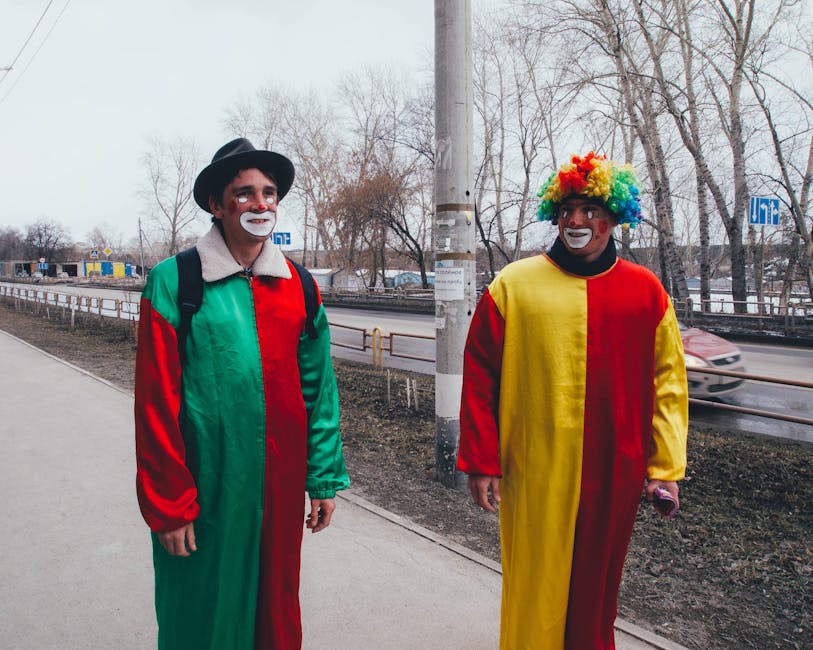
Bolivian clowns have taken to the streets in protest against a new school mandate that severely restricts the events where they can perform and earn their livelihoods, highlighting the unintended consequences of education policies on the country's informal workforce. The demonstrations underscore a growing tension between well-intentioned regulatory reforms and their impact on vulnerable workers who operate outside traditional employment structures.
Policy Threatens Informal Workers' Income
The new mandate, implemented by Bolivia's education authorities, places significant limitations on the types of school-related events where entertainers can perform. While the specific restrictions remain unclear, clowns and other performers who have traditionally relied on school celebrations, graduations, and educational festivities for a substantial portion of their income now find themselves facing an uncertain economic future. These workers, many of whom lack formal employment contracts or social safety nets, depend heavily on event-based performances to support their families.
The protest highlights a critical issue facing many Latin American economies: the vulnerability of informal workers to policy changes that fail to account for their economic realities. In Bolivia, where informal employment represents a significant portion of the workforce, such regulatory decisions can have far-reaching consequences for families already operating on thin margins. The clowns' demonstrations serve as a reminder that education policy cannot be crafted in isolation from broader economic and social considerations.
Balancing Education Goals with Economic Justice
While the intentions behind the school mandate have not been fully detailed, education reforms often aim to improve learning environments, reduce commercialization of school events, or ensure more equitable access to educational experiences. These are legitimate policy goals that align with progressive education principles. However, the current situation demonstrates what happens when policymakers fail to conduct thorough impact assessments that consider all stakeholders, particularly those in precarious economic positions.
The clowns' protest raises important questions about how governments can pursue education reform while protecting workers' rights and livelihoods. A more comprehensive approach would have included consultation with affected workers, transition support for those facing income loss, and alternative income opportunities for displaced performers. The absence of such measures suggests a policy process that prioritized administrative efficiency over social equity.
Calls for Worker Protections Grow
The demonstration reflects broader concerns about the treatment of informal workers in policy decisions across Latin America. As governments modernize regulations and implement reforms, they must ensure that the most vulnerable members of society are not left behind. This includes providing adequate notice of policy changes, creating transition assistance programs, and involving affected communities in the decision-making process.
Labor advocates argue that incidents like this underscore the need for stronger social safety nets and worker protections that extend beyond traditional employment relationships. In an economy where many people cobble together livelihoods from multiple informal income sources, policies that eliminate one revenue stream without offering alternatives can push families into poverty.
Why This Matters:
This protest in Bolivia illuminates a fundamental challenge facing progressive governance: how to implement necessary reforms without harming the most vulnerable workers. While education policy reforms are often essential for improving outcomes and ensuring equity, they must be designed with careful consideration of their economic impacts on all stakeholders, particularly informal workers who lack the protections and alternatives available to formally employed individuals.
The clowns' demonstrations serve as a powerful reminder that social justice requires more than good intentions—it demands comprehensive policy analysis that considers intersecting systems of education, labor, and economic security. For center-left governance to succeed, it must balance regulatory goals with robust worker protections, ensuring that progress in one area doesn't come at the expense of economic security for vulnerable populations. This situation calls for a more inclusive policy-making process that involves affected workers from the outset, provides adequate transition support, and recognizes that education reform and economic justice are inseparable goals. The outcome of this protest may set important precedents for how governments across the region balance modernization efforts with their obligations to protect all workers, regardless of their employment status.