
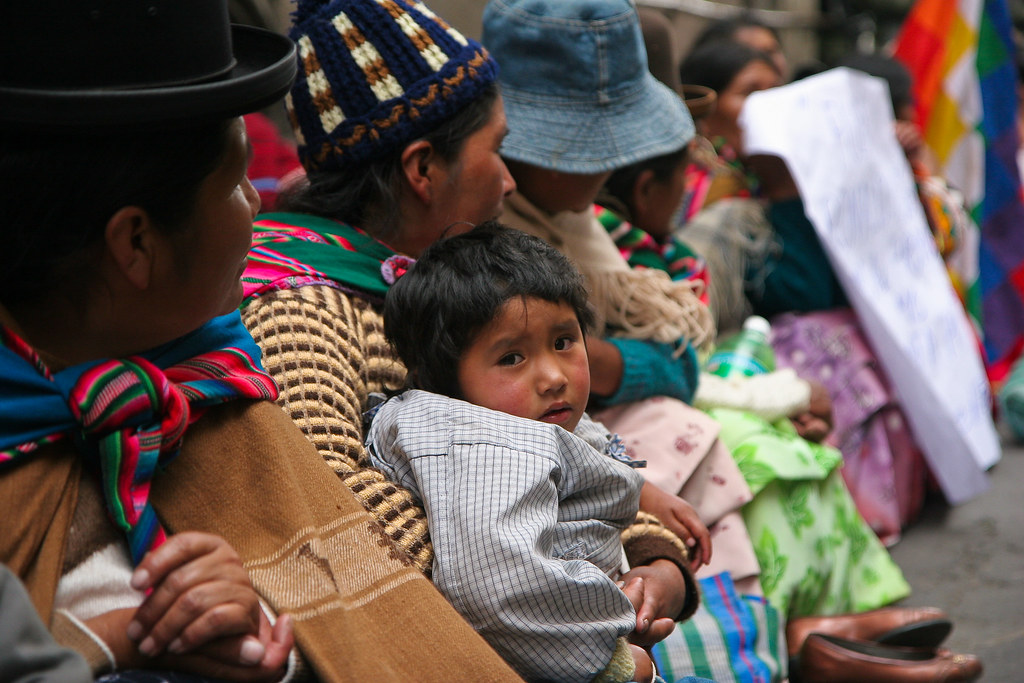
At least 17 people have died in Bolivia over the past five weeks, most from lack of medical care caused by transportation disruptions, as protests against austerity measures have paralyzed the country and prompted President Rodrigo Paz to declare a state of emergency on Saturday. The declaration grants military forces broad authority to remove road blockades that have created severe fuel and food shortages in La Paz and other major cities.
The wave of protests erupted after the government imposed austerity measures, including the cancellation of fuel subsidies that had long cushioned Bolivians from global energy price fluctuations. Violent confrontations between dynamite-wielding demonstrators and riot police have resulted in at least 365 arrests and 37 injuries, according to authorities. Barricades on key roads have effectively isolated La Paz, triggering shortages that have prevented patients from reaching hospitals, causing at least seven deaths from lack of medical attention, the government says.
Human Toll Mounts Amid Economic Reforms
The protests have been led by highland Indigenous and rural workers' groups, who initially supported Paz but now accuse his government of neglecting their needs since he took office in November. These communities helped vault Paz to power last year, ending almost 20 years of rule by Bolivia's Movement Toward Socialism party, or MAS, which delivered the country's worst economic crisis in a generation.
Paz, a centrist who defeated more conservative candidates, had promised to resolve chronic fuel shortages and replenish the central bank's nearly empty coffers while protecting the social welfare programs that were a pillar of MAS' popularity. However, his austerity measures have exacerbated biting inflation. While his government fixed fuel shortages, it did so with poor-quality gasoline that damaged thousands of vehicles. Reforms to encourage foreign investment and stimulate economic growth have stalled in Congress.
As businesses closed over the course of the protests, supermarket shelves emptied and hospitals ran out of oxygen, prompting calls from some sectors of society for Paz to restore order through force. "This is not a state of emergency to restrict people's lives. It is a state of emergency to give people back their freedom," the president said in a televised address to the nation.
Negotiations Falter as Crisis Deepens
On Friday night, Paz signed an agreement with one labor union whose leaders called for blockades to be lifted. But other protesters have demanded that Paz resign and refused to negotiate. The state of emergency decree prohibits "blocking streets, avenues, roads and highways in ways that affect transportation and supplies," and orders armed forces to temporarily support police "in restoring order, reopening roads and protecting the population."
According to the decree, the state of emergency doesn't limit due process rights or constitutional guarantees and allows people to continue their daily activities. The measure will last 90 days but could be lifted earlier if "violence and threats against the population come to an end," the government said in a statement.
Political Pressures From Multiple Sides
Paz faces mounting pressure from both Bolivia's hard-right, which dominates Congress, and the long-ruling left. Former President Evo Morales has supported the protests and demanded a new election from his hideout in the coca-growing tropics, where he is evading an arrest warrant on charges related to statutory rape.
The Trump administration has backed Paz, who repaired relations with the U.S. after years of anti-Western hostility in Bolivia under Morales. U.S. Secretary of State Marco Rubio called Paz last week to inform him that Washington was "ramping up emergency assistance and logistics operations support" to help alleviate shortages caused by the blockades. U.S. Secretary of Defense Pete Hegseth denounced the protests as "attempts to overthrow the legitimate government," and issued a warning to those who he said were "profiting on death and destruction in our hemisphere." "The United States is watching," he wrote on X.
Why This Matters:
The crisis in Bolivia illustrates the human cost when economic reforms are imposed without adequate protections for vulnerable populations. Seventeen deaths, most from inability to access medical care, underscore how austerity measures can create cascading failures in essential services that hit the poorest hardest. The protests by Indigenous and rural communities—groups that bore the brunt of the previous economic crisis and now face elimination of fuel subsidies amid rising inflation—reveal deep tensions over who pays the price for economic stabilization. The government's turn to military enforcement raises questions about whether force can substitute for addressing the underlying grievances of communities demanding both economic relief and political voice. How Bolivia navigates this crisis will determine whether democratic institutions can balance fiscal responsibility with social protection, or whether the burden of recovery falls disproportionately on those least able to bear it.