
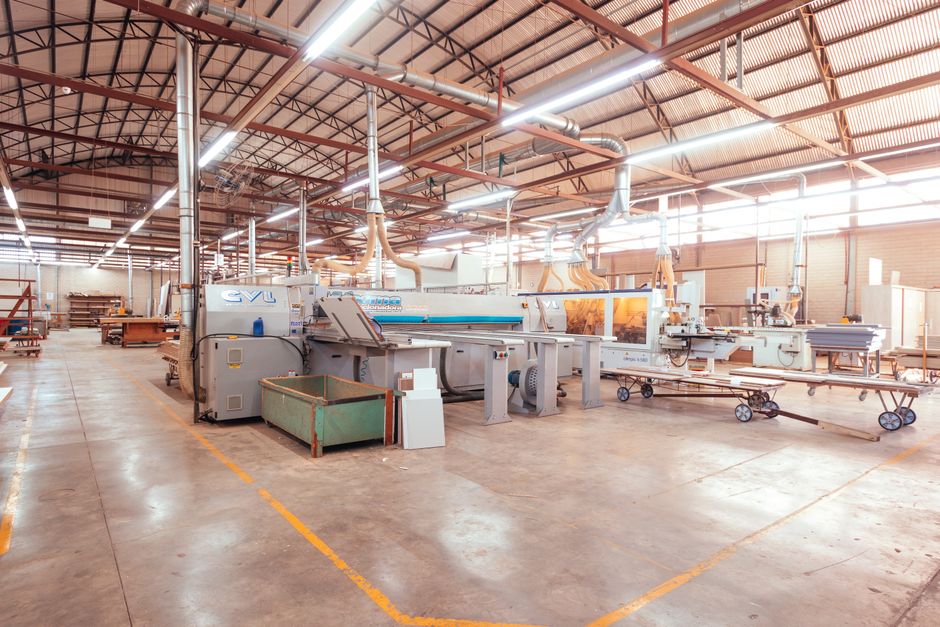
Brazilian industrial confidence fell 6.0 points to 40.2 in November 2026, its lowest reading since May 2020, the CNI, Brazil's National Confederation of Industry, said on Friday, 13 November 2026. Factory owners are gloomier about the country's economy than they've been in six years.
The CNI's Industrial Entrepreneur Confidence Index (ICEI) dropped from 46.2 in October to 40.2 this month. Anything below 50 signals pessimism. The last time the index sat lower was May 2020, when it stood at 34.7. This month's 6.0-point plunge was the third-largest monthly fall since the series began in 2010, according to the CNI.
Forecasters didn't see it coming. The consensus on the Rio Times economic calendar was 46.5, so the actual result missed by 6.3 points.
A Long Stretch of Pessimism
This isn't a single bad month. The index has stayed below 50 for 23 months in a row, meaning industrial executives have gone nearly two years without registering optimism.
The expectations index fell 7.8 points, from 49.3 to 41.5. Within it, the gauge for the Brazilian economy fell 10.7 points to 32.7, the lowest since April 2020. Owners' outlook for their own companies fell 6.4 points to 45.6, below 50 for the first time in six years.
The current-conditions index also slid, falling 2.3 points to 37.7, the lowest since July 2020. Owners' view of the Brazilian economy dropped 2.7 points to 30.6, while their view of their own firms dropped 2.1 points to 41.2.
Who Was Surveyed
The CNI polled 1,104 companies between 3 and 9 November 2026. That included 463 small firms, 407 medium-sized firms and 234 large ones. Smaller and mid-sized manufacturers made up the bulk of respondents, and they're the businesses with the least cushion when conditions sour.
The published figures name no single cause for the fall, and the breakdown by industrial sector isn't known. The CNI data also can't say how the downturn in sentiment will translate into hiring, wages or investment. Confidence surveys measure mood, not output.
What Comes Next
The December reading of the same CNI index is the next checkpoint. A move back above 46 would show the November drop was partly a one-off. A reading that stays near 40 would suggest the pessimism has hardened.
Why This Matters:
Manufacturing sits at the center of industrial employment, and executive sentiment tends to shape decisions about hiring, expansion and capital spending. The survey doesn't measure those outcomes directly, and the CNI names no cause for the drop, so any link to jobs or wages remains an open question. Still, nearly two years of readings below 50, capped by the sharpest slide in a decade, put pressure on policymakers to explain how public institutions can support industry and the workers who depend on it. Whether the December figure rebounds or stays down will show if this is a blip or a deeper warning that the country's economic direction needs attention.
- brazil
- industrial confidence
- cni
- manufacturing
- economic indicators
- industrial entrepreneur confidence index