
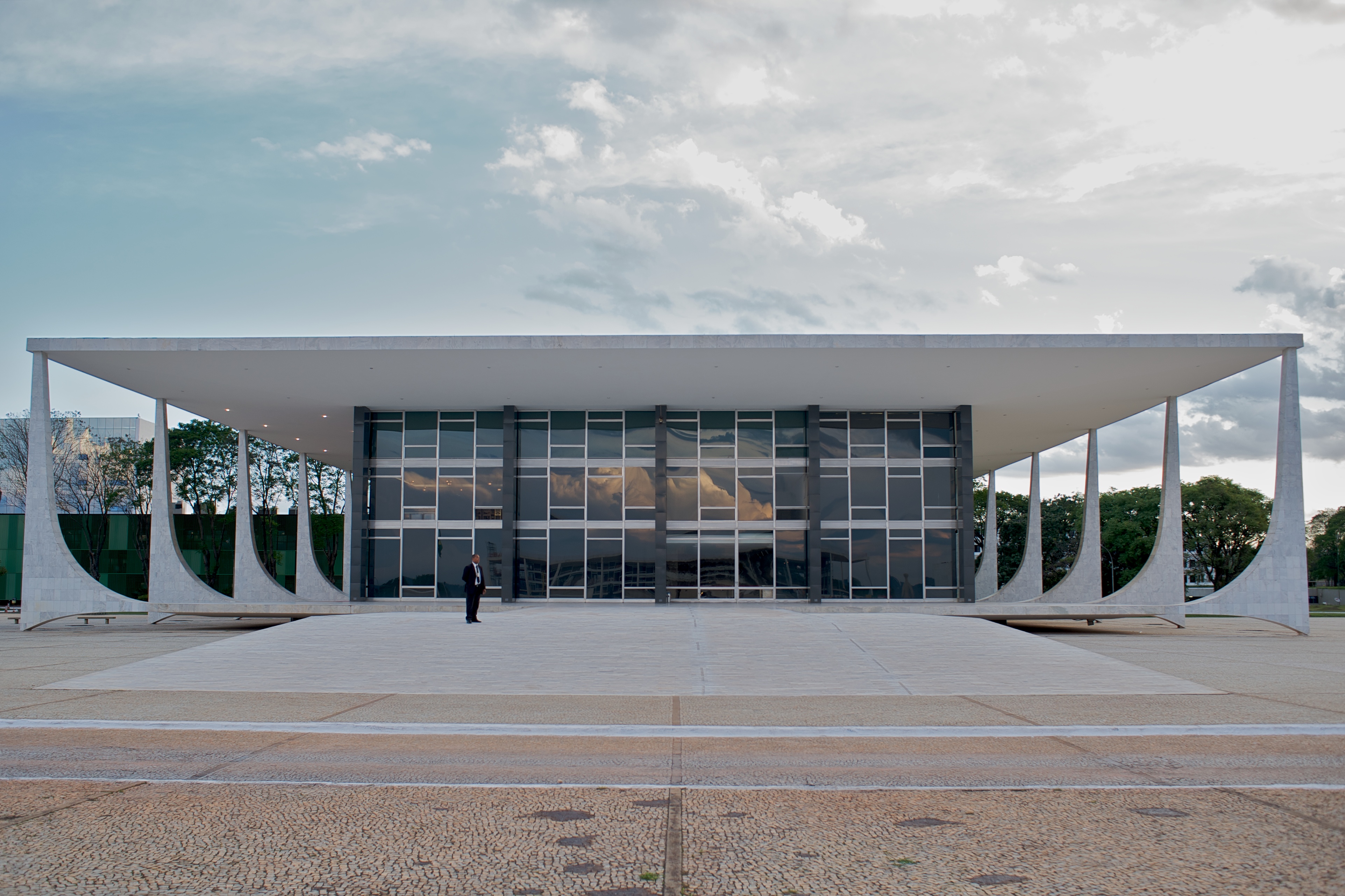
A U.S. State Department project earmarks US$1 million for Brazilian groups opposing what it calls judicial overreach and censorship by Brazil’s Supreme Federal Court. The plan puts foreign funding and national sovereignty in focus three days before the first-round general election. The money hasn’t been confirmed as transferred, officials haven’t named recipients, and the State Department says the programmes remain under “active deliberation.”
President Luiz Inácio Lula da Silva and Flávio Bolsonaro were tied at 42% in Quaest’s latest runoff poll, released Monday. Datafolha’s poll on 24 September put Lula at 47% and Flávio at 45%, within the margin of error. Brazil’s first-round general election is set for Sunday, 4 October.
Foreign funding and sovereignty
The project, titled “Countering Lawfare and Censorship in Brazil,” is one of 43 awards totaling US$176.9 million from the Human Rights and Democracy Fund, which the U.S. Congress appropriated for democracy and rights work abroad. At the 1 October exchange rate of R$5.20 per U.S. dollar, Brazil’s allocation comes to about R$5.2 million. That figure reflects a currency conversion, not a separate payment. The grant amounts to well under 1% of the overall package.
A Democratic congressional aide told The Guardian that Senator Jeanne Shaheen had placed holds on US$22 million in grants, including funding for Brazil, South Africa, Nigeria and right-wing causes in Britain and Europe. The aide said Secretary of State Marco Rubio personally signed a memo overriding the holds. One source provided that account, which had not been independently confirmed. The State Department wouldn’t comment on specific grants; it said the programmes remained under “active deliberation” and would undergo vetting. Recipients would also need to meet federal grant rules.
Brazil’s head of the Attorney General’s Office (AGU), Jorge Messias, said on 1 October that the report warned of a threat to Brazilian sovereignty. He said foreign political interests must not interfere with Brazil’s institutions or voters’ choices. Brazil’s foreign ministry hadn’t commented in the reports reviewed. The STF didn’t respond to Agência Brasil before publication, and no information showed whether the project money had been transferred or only committed.
The funding report comes as members of Congress pursue at least 84 proposed constitutional amendments concerning the court: 64 in the Chamber of Deputies and 20 in the Senate, according to a CNN Brasil survey. The oldest pending proposal dates to 2005. Proposals include fixed terms for justices, changes to how they’re selected, and changes to who may ask the Senate to impeach one. Senator Zequinha Marinho’s proposal, filed on 2 September 2026, would bar former justices from elected office for five years.
Court authority under scrutiny
The most advanced proposal, PEC 8/2021, would prevent individual justices from suspending laws or acts of the president and Congress. The Senate approved it on 22 November 2023 by 52 votes to 18 in both rounds. The Chamber’s constitution and justice committee backed it on 9 October 2024 by 39 votes to 18. It still needs a special committee and two floor votes in the Chamber.
A constitutional amendment needs three-fifths of each chamber in two rounds: 308 of 513 deputies and 49 of 81 senators. If both chambers approve identical text, Congress promulgates it without the president’s signature, so the president can’t veto it.
The Superior Electoral Court has also formed a majority to keep offline social-media posts that directly link Flávio or his family to false claims that he would strip Our Lady of Aparecida of her title as Brazil’s patron saint. The court began judging the case on Wednesday. Under the electoral code, voters can’t be arrested from Tuesday until 17:00 on 6 October, except when caught in the act.
The dispute over court power has intensified amid scrutiny of Justice Alexandre de Moraes over Banco Master, which the Central Bank shut down in November 2025. The Supreme Federal Court convicted Jair Bolsonaro of plotting a coup and sentenced him to 27 years in prison. Washington sanctioned Moraes in July 2025 after lobbying by Eduardo Bolsonaro; officials lifted the sanctions in December 2025. The court’s rulings restricting American digital platforms have also fueled friction, while the court says those rulings target online crime.
Moraes denies wrongdoing, hasn’t been charged, and says he never judged a case involving Banco Master or its controlling shareholder, Daniel Vorcaro. No court or authority had found wrongdoing by Moraes or his wife, and neither had been charged. The proposed reforms, the foreign grant and the pending electoral dispute now meet around a basic institutional question: who sets the limits on Brazil’s courts, and who gets to influence that debate?