
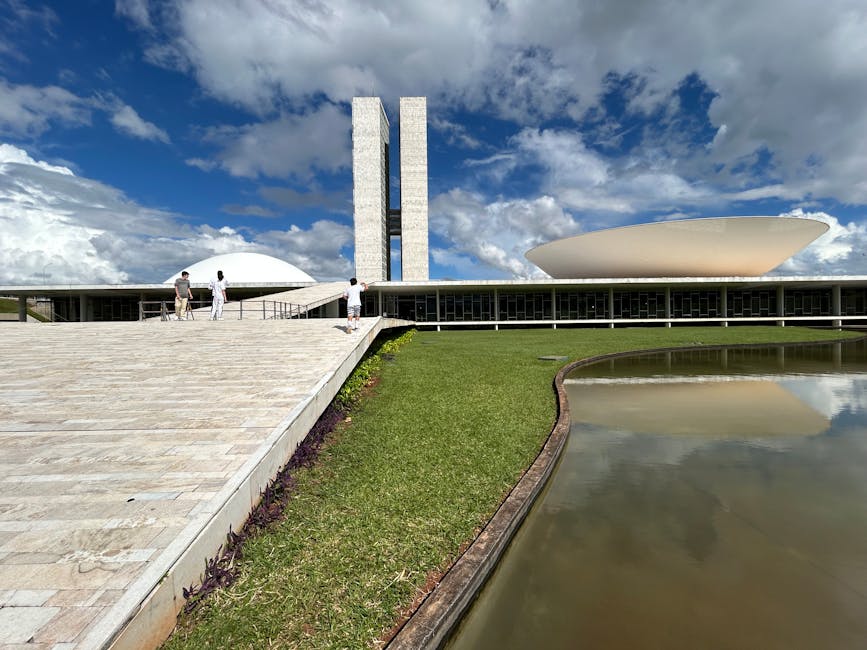
Brazil’s Senate approved an amendment to cut the maximum workweek from 44 hours to 40 without reducing salaries, timing the vote between the two rounds of the presidential election. The government says more than 37 million workers could benefit. The measure passed 75 to 1 in each of two votes among the Senate’s 81 members.
The vote and its timing
Former Vice President Hamilton Mourao, who served under President Jair Bolsonaro, was the only senator to oppose the amendment. President Luiz Inácio Lula da Silva supported the change and was expected to sign it into law the following week.
The amendment sets a 40-hour weekly limit and two rest days, with no cut in pay. Businesses have 14 months to adopt the shorter schedule. That transition period figured centrally in negotiations: many business leaders and lawmakers had sought a gradual change over 10 years.
After the result, Senate President Davi Alcolumbre asked a leading senator from Lula’s Workers’ Party, “Didn't I say this was going to work?” Alcolumbre scheduled the vote between the election’s first and second rounds, a timing that benefits the incumbent, according to the article.
Lula said in a statement, “Today is a day to celebrate a historic achievement for millions of workers.” The shorter week, he said, would give people more time for family, rest and personal care. “Those who work so hard to build Brazil also deserve to have time to live.” Many senators chanted Lula’s name after the vote. Bolsonaro supporters quickly left the chamber.
Election calculations and business concerns
Lula hopes the measure will bolster his standing against Flávio Bolsonaro in the Oct. 25 presidential runoff. Recent polls showed broad support for the change, despite opposition from many business owners. Many Bolsonaro allies said they expected the new schedule to push up the cost of living.
Flávio Bolsonaro had opposed the initiative until early that week, but he voted for it remotely while campaigning in southern Brazil. Analysts and politicians said his Senate allies stopped blocking the measure because opposing it could hurt his neck-and-neck race against Lula.
Bolsonaro reversed his longstanding opposition on Tuesday. Previously, he had advocated a more flexible payment-by-the-hour system and individual negotiations between employees and employers. He repeatedly called the legislation election-motivated. Hours after announcing his support, he told business owners the new Congress could review the measure; his party could reach a simple majority with allied parties come February, the local newspaper O Globo reported.
Who the law covers
Lula’s government had worked on the proposal since the previous year. Economist Carla Beni of the Getulio Vargas Foundation said, “Any change made in an election year can be considered an electoral measure.” Workers in the shadow economy, including freelancers and delivery drivers, won't be covered by the legislation.
The workweek proposal featured in dozens of pro-Lula protests nationwide since the previous week. Some people celebrated the Senate vote in the streets of Rio de Janeiro and Sao Paulo. At a protest with hundreds of people in Rio, 23-year-old Lunna Normande said, “We needed the people out on the streets,” then added, “We will continue to be on the streets until this inhumane work week ends.”
The Brazilian measure follows workweek changes elsewhere in Latin America. Chile and Colombia had recently enacted laws reducing their workweeks to 40 and 42 hours, respectively. In February, Mexican lawmakers approved a proposal to gradually reduce the 48-hour workweek to 40 hours by 2030. Chile’s 40-Hour Law, passed in 2023, applies to workers covered by the country’s Labor Code without reducing pay. Argentina, under President Javier Milei, had moved in the opposite direction and may extend its 48-hour workweek.
- brazil senate
- shorter workweek
- luiz inácio lula da silva
- flávio bolsonaro
- hamilton mourao
- workers' rights
- labor reform
- election